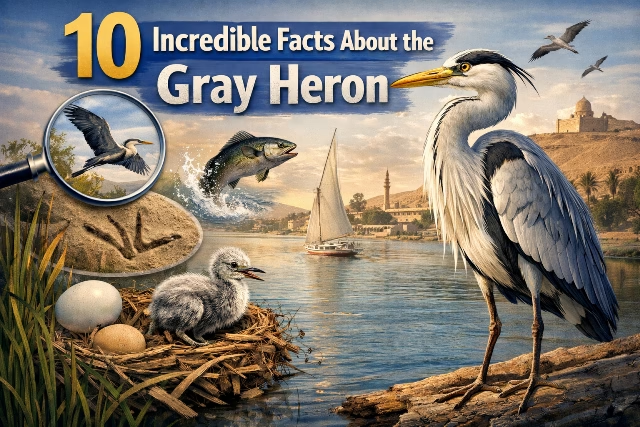
Tall, patient, and unmistakably elegant, the Gray Heron is one of the most iconic wetland birds across Europe, Asia, and Africa. In Egypt, it is a familiar sight along the Nile, canals, and lakes; often standing motionless like a living statue. Beyond its calm appearance lies a bird full of surprises, ancient stories, and remarkable adaptations. Here are ten incredible facts that make the Gray Heron truly unforgettable.
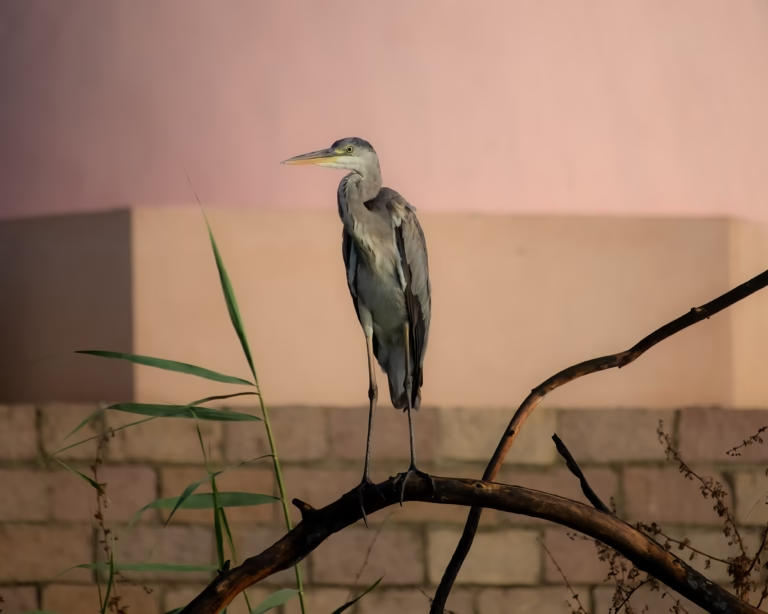
1. A Giant Among Herons
The Gray Heron is one of the largest herons in the world, standing up to one meter tall with a wingspan that can exceed 1.9 meters. When it takes off, its slow, powerful wingbeats give it an almost prehistoric presence in the sky.
2. The Famous “S-Shaped” Neck
At rest or in flight, the Gray Heron folds its long neck into a distinctive S-shape. This isn’t just for style; it works like a spring, allowing the bird to strike lightning-fast at fish and other prey.
3. A Master of Stillness
Few birds can rival the Gray Heron’s patience. It may stand completely motionless for minutes, even longer, waiting for the perfect moment to strike. This ambush-hunting strategy makes it a highly efficient predator in shallow waters.
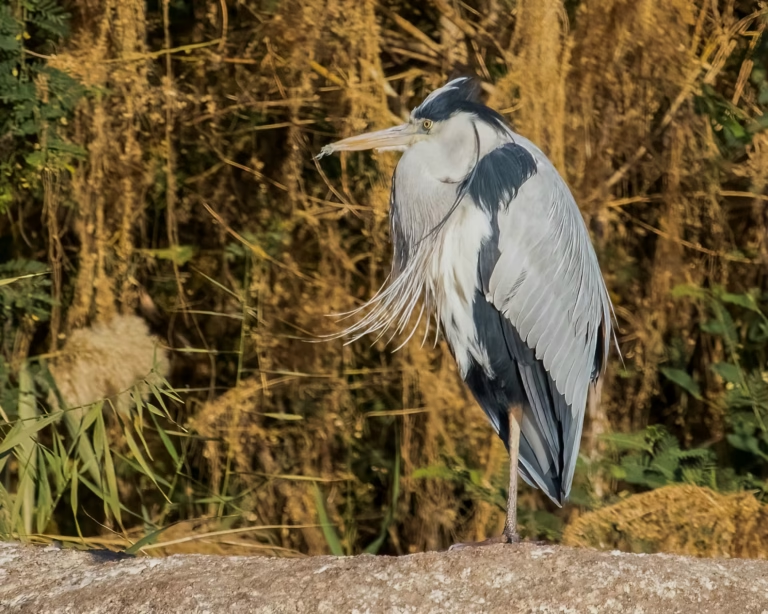
4. Not Just a Fish Eater
Although fish are its favorite meal, the Gray Heron is far from picky. Its diet includes frogs, insects, crustaceans, small mammals, reptiles, and even young birds. This flexibility helps it survive in a wide range of habitats, from wetlands to farmland.
5. Surprisingly Adaptable
From remote marshes to city parks and fish farms, Gray Herons have learned to live close to humans. In many countries – including Egypt- they can be seen feeding near bridges, irrigation channels, and reservoirs.
6. Colonial but Independent
Gray Herons usually nest in colonies known as heronries, often high in trees. Yet despite nesting close together, each bird is highly territorial when feeding, defending its chosen hunting spot with confidence and sharp bill jabs.

7. A Bird with a Prehistoric Look
With its long legs, dagger-like bill, and slow deliberate movements, the Gray Heron often feels like a bird from another era. Fossil records show that heron-like birds have existed for millions of years , changing very little over time.
8. Silent Hunter, Harsh Voice
While quiet and stealthy when feeding, the Gray Heron has a surprisingly harsh, croaking call, often heard when it takes flight or defends its nest. It’s a sound that instantly breaks the calm of a wetland.
9. A Living Symbol of the Nile Landscape
In Egypt, the Gray Heron is closely associated with the Nile’s wetlands and agricultural lands. Its presence is often a sign of healthy ecosystems, rich in fish and aquatic life; making it an unspoken guardian of the river’s natural balance.
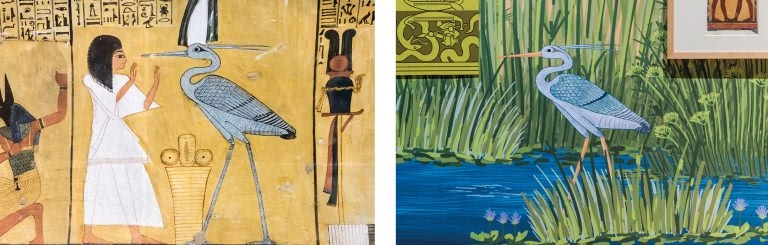
10. Connection to Ancient Egypt
One of the most fascinating aspects of the Gray Heron is its symbolic link to Ancient Egyptian mythology. Many scholars believe that the legendary Bennu bird, a sacred symbol of creation, rebirth, and the rising sun; was inspired by a heron-like bird, possibly similar in form and behavior to the Gray Heron or related species.
The Bennu was associated with the sun god Ra and the cycle of renewal, often depicted as a tall, elegant bird connected to the Nile and primeval waters. Seeing a Gray Heron standing quietly at sunrise along the river today feels like a living echo of that ancient symbolism.