Aswan, Egypt, sits at a fascinating crossroads between the Palearctic and Afrotropical regions, making it one of the best destinations for Western Palearctic birders seeking new lifers. With the rich habitats of the River Nile, Lake Nasser, and surrounding desert oases, birders can encounter several African and tropical species that barely enter the Western Palearctic range. Here are the top 10 potential lifers you can spot in Aswan and Abu Simbel.
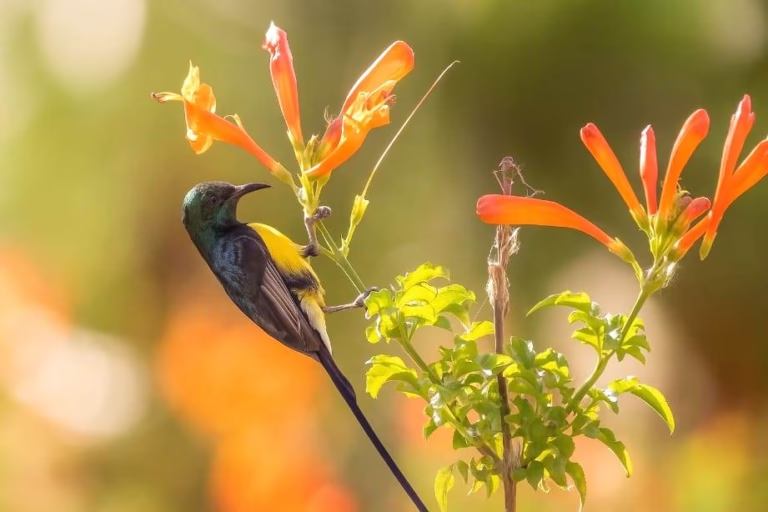
1. Nile Valley Sunbird (Hedydipna metallica)
A small, dazzling bird with an iridescent plumage, the Nile Valley Sunbird is a true gem of southern Egypt. It’s a resident breeder in Aswan, often seen in gardens, acacia trees, and along the riverbanks. Males display brilliant metallic colors, while females are duller and olive-gray, making them harder to spot.
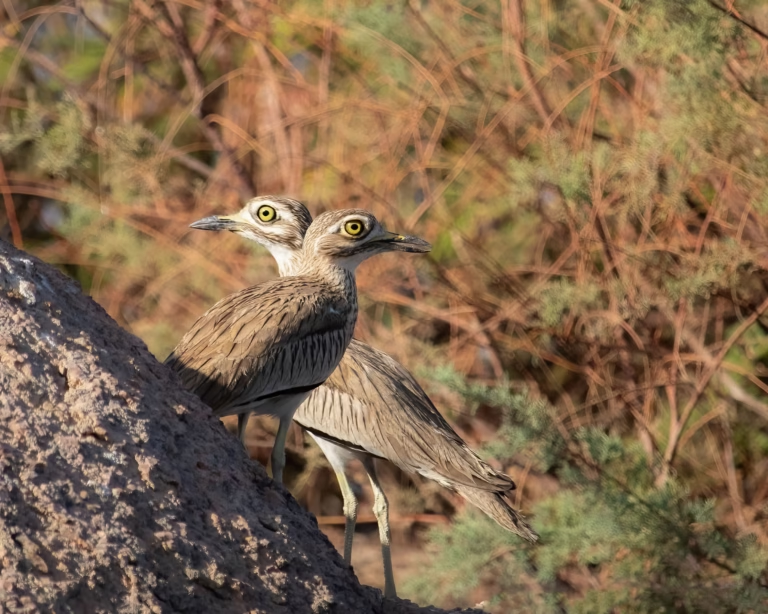
2. Senegal Thick-knee (Burhinus senegalensis)
This striking bird with large yellow eyes and cryptic plumage is a resident breeder along the Nile’s sandy shores. It is mostly nocturnal but can be found roosting quietly by day near the water’s edge. Its haunting calls echo across the river on calm nights.
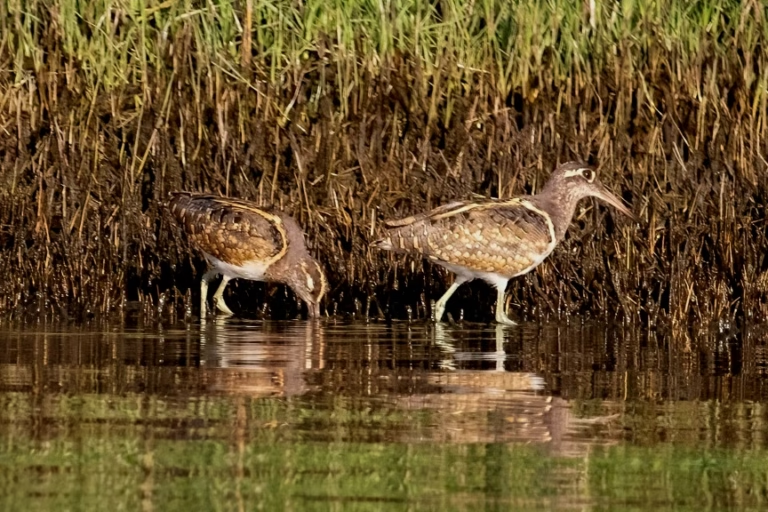
3. Greater Painted-Snipe (Rostratula benghalensis)
An elegant and secretive wader, the Greater Painted-Snipe is a special find in Aswan. Though not common, it can appear during autumn migration and throughout the winter months in shallow wetlands and vegetated lagoons. Its reversed sexual dimorphism, where the female is more colorful, is one of its unique features.
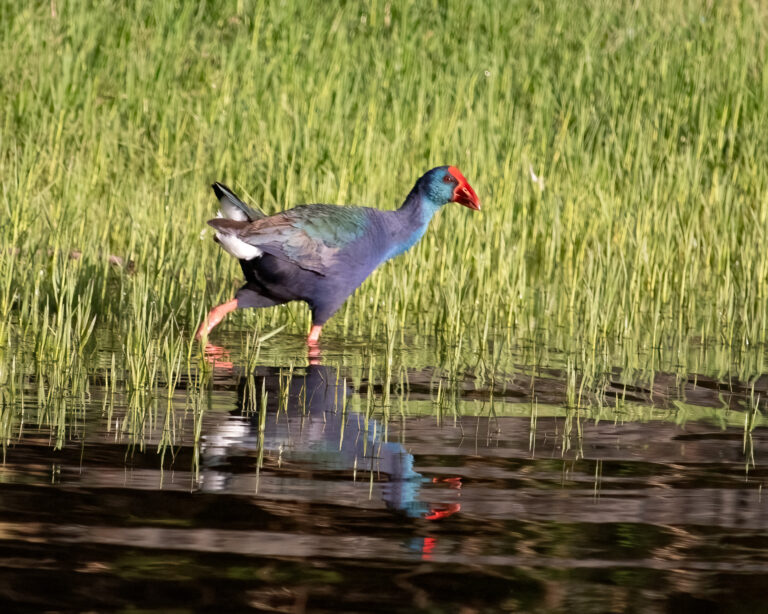
4. African Swamphen (Porphyrio madagascariensis)
Easily recognized by its vivid blue plumage and bright red bill, the African Swamphen is a resident breeder in Aswan’s marshy areas and reedbeds. It’s often seen foraging near papyrus and water plants, pulling vegetation apart with its strong feet.
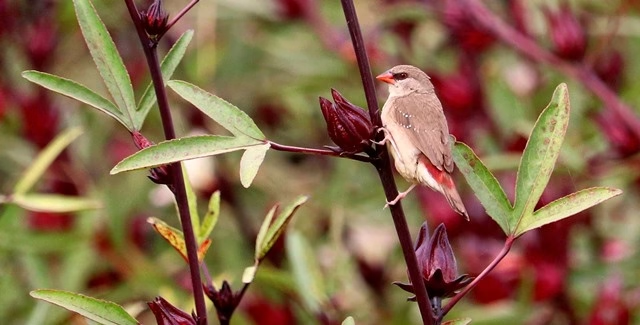
5. Red Avadavat (Amandava amandava)
A small, vibrant finch-like bird, the Red Avadavat is resident in Aswan but not commonly recorded. Males in breeding plumage are bright red with white spots, while females are brownish. They prefer grassy areas near water and are often seen in small flocks.

6. Kittlitz’s Plover (Charadrius pecuarius)
A delicate and charming plover found mainly around Lake Nasser and Abu Simbel, where it breeds on open sandy or gravelly shores. Its small size and soft plumage tones make it blend beautifully into the desert lakeshore environment.
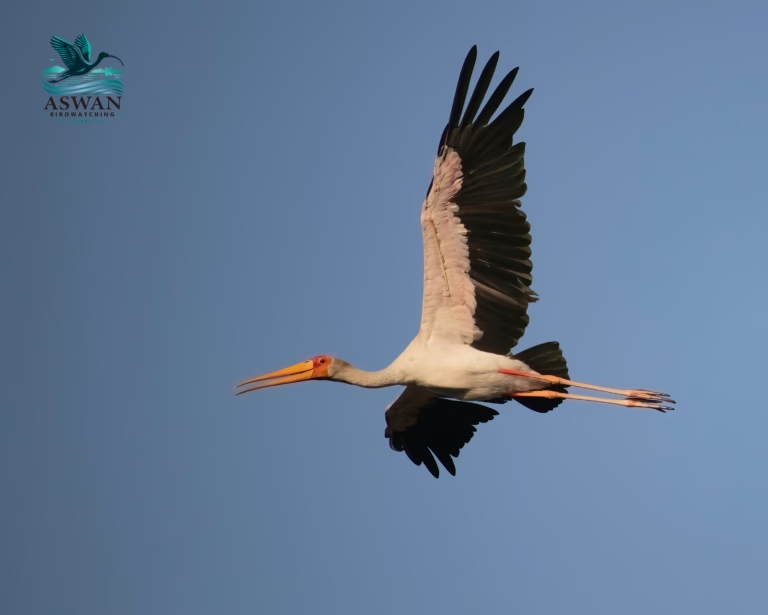
7. Yellow-billed Stork (Mycteria ibis)
One of Africa’s most graceful waterbirds, the Yellow-billed Stork can be seen around Abu Simbel during the summer months. It’s a tall, elegant species with a long yellow bill and pinkish-white plumage, often seen wading in shallow waters feeding alongside egrets and herons.
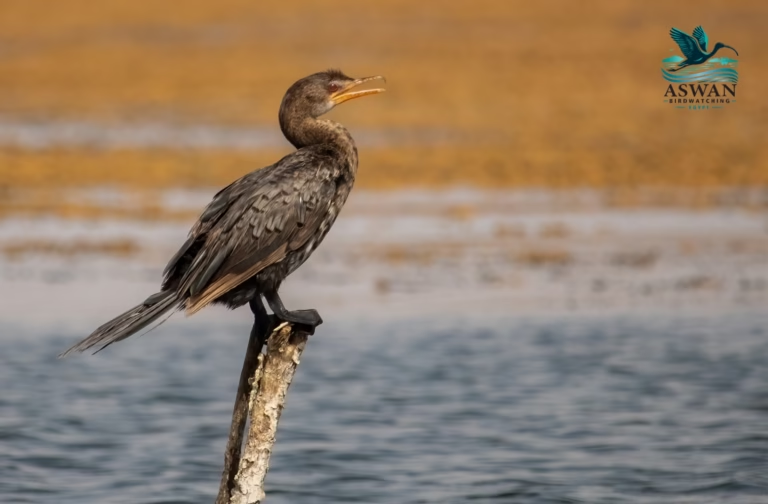
8. Reed Cormorant (Microcarbo africanus)
A recent addition to Egypt’s breeding bird list, the Reed Cormorant now breeds on Lake Nasser near Abu Simbel. Smaller than the Great Cormorant, it’s recognized by its reddish neck and slender bill. Sightings of this species mark a remarkable range expansion northward.

9. Village Weaver (Ploceus cucullatus)
The Village Weaver is a brightly colored bird with a black face and yellow plumage, well known for its intricately woven hanging nests. It’s a resident breeder on Lake Nasser near Abu Simbel, forming noisy colonies in trees overhanging water.
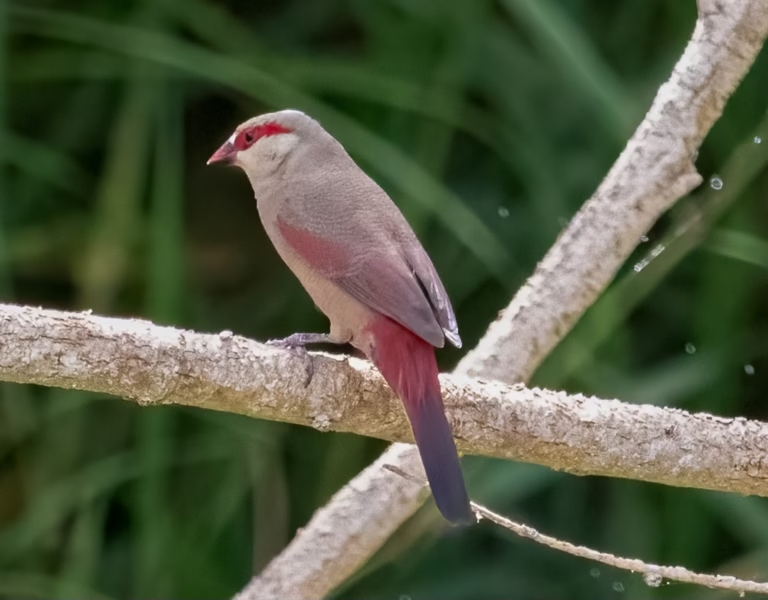
10. Crimson-rumped Waxbill (Estrilda rhodopyga)
A tiny, active bird with a crimson rump and fine gray streaks, the Crimson-rumped Waxbill has recently been spotted in Abu Simbel, where numbers are increasing. It’s believed to be a possible breeder in the area, adding more color and diversity to the Aswan birdlife.

Extra interesting WP birds
Extra Species to Watch For in Aswan/Abu Simbel:
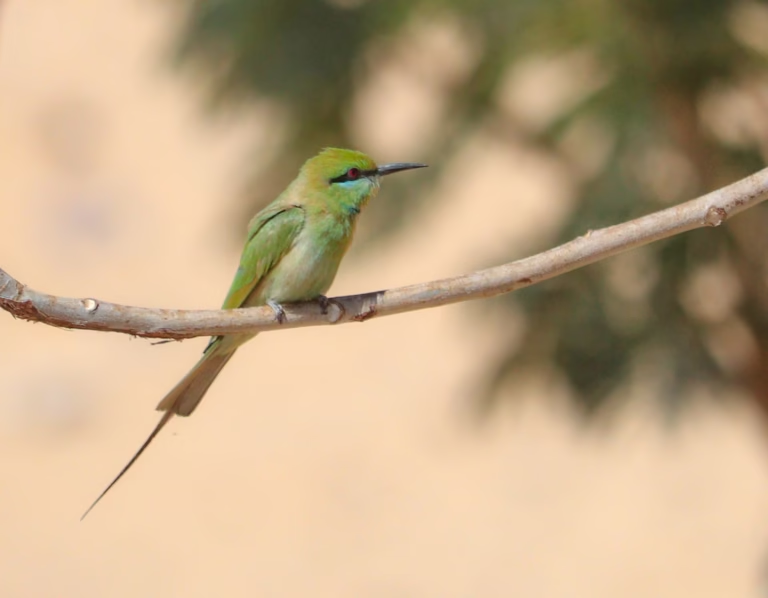
African Green Bee-eater: Commonly found around Aswan’s desert edges and cultivated lands, adding brilliant green hues to the skyline.
Three-banded Plover: A rare species in Egypt due to restricted habitats; best chances are in remote Lake Nasser locations.
African Pied Wagtail: Often seen near hotels, docks, and along the river; a striking black-and-white bird that’s growing in numbers in Aswan.
Striated Heron: A small, stealthy heron seen hunting along the Nile’s rocky banks and reed edges, often overlooked due to its camouflage.
For birders seeking new Western Palearctic lifers, Aswan and Abu Simbel offer an extraordinary mix of African and Eurasian species in one of the most beautiful natural settings along the Nile. Each visit promises surprises, and perhaps a few unforgettable “lifers” to add to your list.