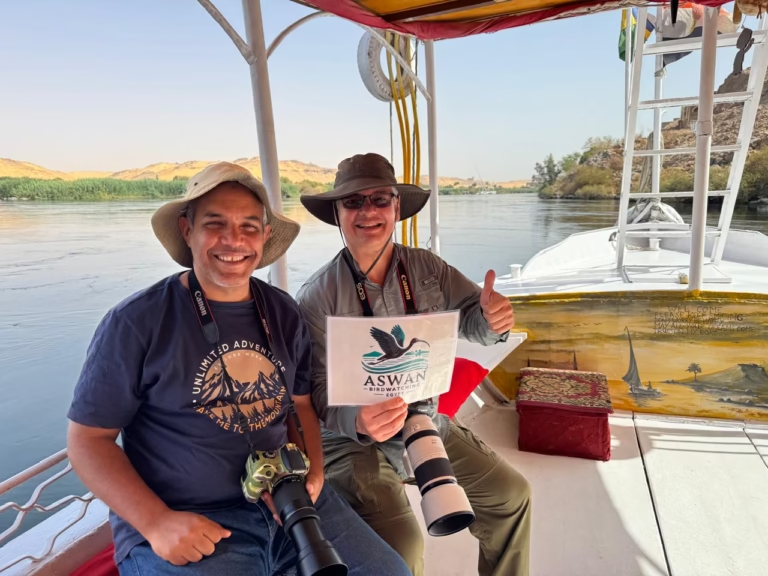
In a significant moment for Egyptian birding, Ismael Khalifa has been officially featured in the global series Bird Guides of the World published by 10,000Birds, one of the world’s most established and widely-read birding platforms. His inclusion makes him the first Egyptian bird guide ever listed, representing both Egypt and the rising birdwatching movement in Aswan.

About the Bird Guides of the World Series
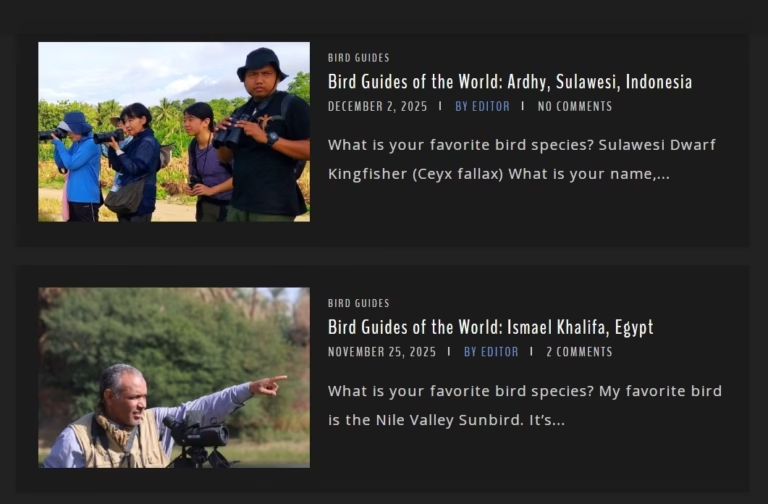
Founded in 2003, 10,000Birds has grown into a leading international blog dedicated to birding, conservation, travel, and natural history. Among its most respected editorial projects is the Bird Guides of the World profile series, a curated global directory of professional and independent bird guides.
The series currently features around 80 bird guides from more than 39 different nationalities, offering readers a rare look at the people who lead birders through diverse habitats across the planet. Being listed in such company reflects both expertise and international relevance.
Why Ismael Khalifa’s Listing Matters
When Ismael’s profile was added to 10000Birds, it marked an important milestone for him and for Egypt. For years, the platform featured guides from across the Americas, Europe, Asia, and Africa, but Egypt had never been represented. With this listing, Ismael became the first Egyptian guide to appear on the site, placing his country on a global birding map for the very first time.
His inclusion also brought new attention to a region that often goes unnoticed in mainstream tourism. Upper Egypt, and especially Aswan, has long offered rich birdlife and unique habitats, yet it rarely received recognition within the international birding community.
Now, through Ismael’s profile, Aswan is acknowledged as a legitimate and valuable birding destination.
For Egypt, a country primarily known for its antiquities and cultural heritage, this achievement highlights a different side of its identity: the growing potential of birding and eco-tourism as emerging national strengths.
Who Is Ismael Khalifa?
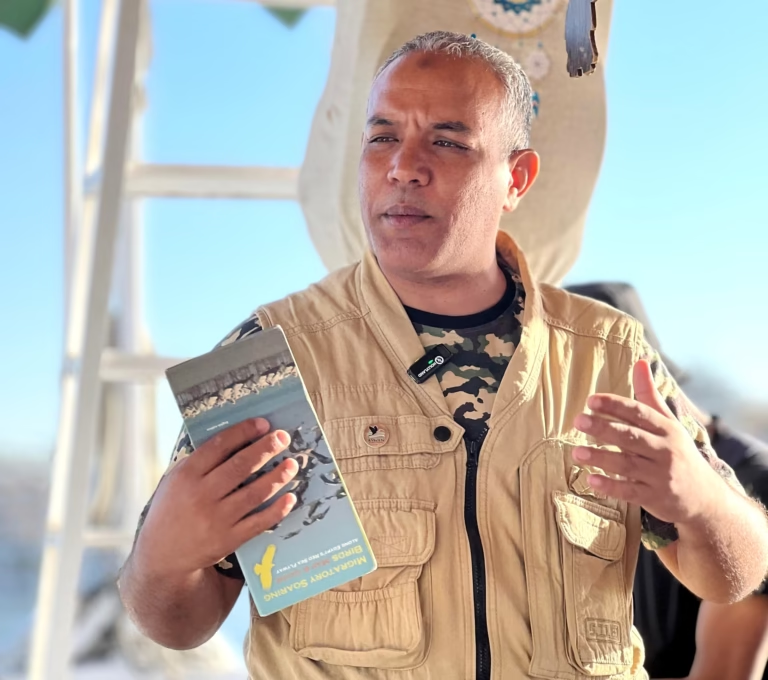
Ismael is a bird guide based in Aswan, with more than six years of professional experience and a lifelong passion for birds of the Nile Valley. He has built his reputation through dedicated fieldwork, mastery of local species, and consistent contribution to online birding communities.
His work focuses on the region from Aswan City all the way south to Lake Nasser and Abu Simbel, one of Egypt’s richest yet least-documented bird habitats.

Aswan Birdwatching: The Project Behind the Guide
Ismael is also the founder of Aswan Birdwatching, a guiding initiative that introduces visitors to the incredible avian diversity of southern Egypt. Through his brand, he offers a set of specialized birding experiences designed for beginners, photographers, and experienced birders alike.
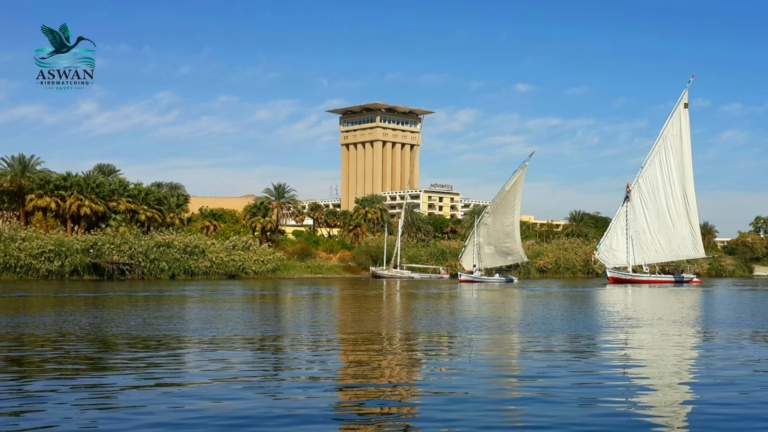
Aswan Birdwatching offers different birding options in Aswan governorate including a 3-hour morning or sunset boat excursion, where visitors typically see 45–65 species including African Swamphens, Nile Valley Sunbirds, African Green Bee-eaters, Senegal Thick-knees, ducks, waders, and winter migrants.
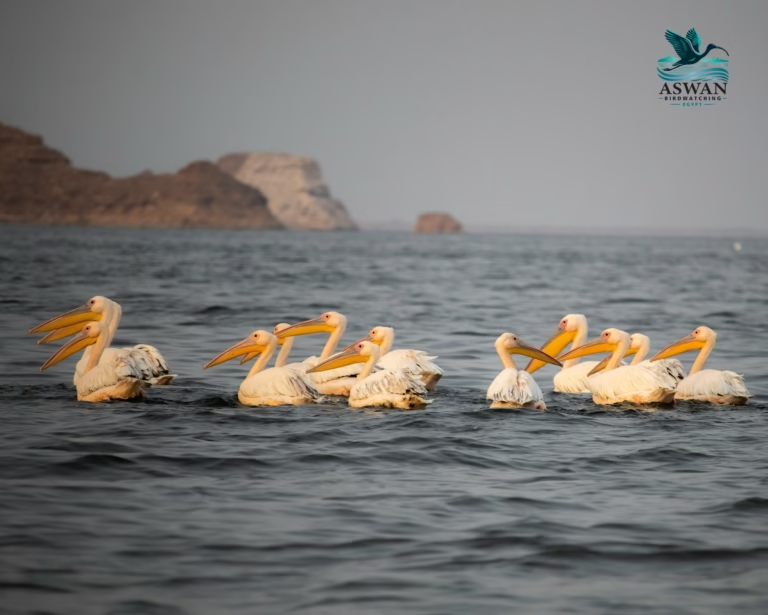
Besides Aswan Birdwatching offers a Lake Nasser birding adventure targeting specialties rarely seen in Egypt’s north, including: Kittlitz’s Plover, Yellow-billed Stork, African Pied Wagtail, Village Weaver, Crimson-rumped Waxbill, Reed Cormorant, Plain Martin and Three-banded Plover.
Aswan Birdwatching provides free binoculars for guests, a beginner-friendly bird booklet, photography assistance and eBird-compatible checklists during its classic birding tours.
Why This Recognition Matters for Aswan
When Ismael Khalifa’s name appeared on a respected global birding platform, it marked a meaningful moment for Aswan. It wasn’t just a personal milestone; it highlighted the region’s natural value in a clear and practical way.
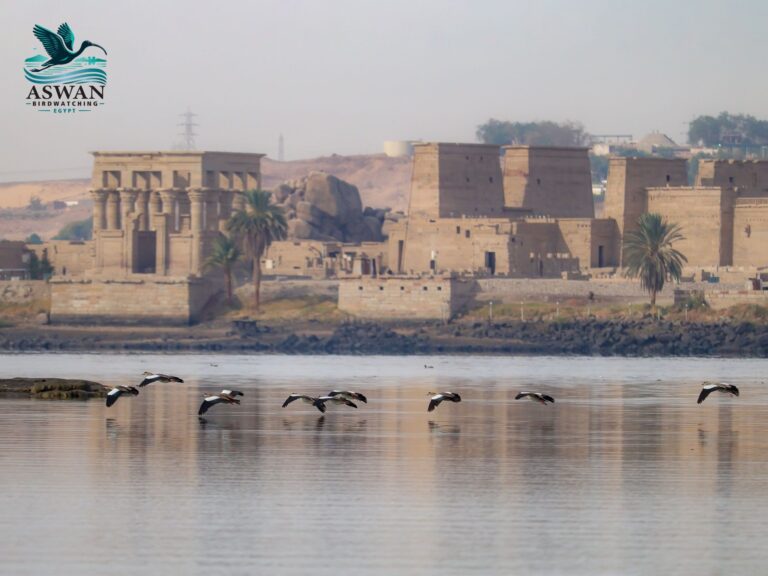
Aswan is now listed alongside well-known birding destinations such as Costa Rica, Kenya, India, and Brazil. For a place that has often been appreciated mainly by local nature enthusiasts, this kind of global visibility helps introduce its birdlife to a wider audience and strengthens its position on the international map.
This recognition also aligns with the type of tourism Aswan naturally supports. Birdwatchers typically look for calm, authentic nature experiences — exactly what the region offers. Their interest encourages sustainable, low-impact tourism that benefits the area without overwhelming it.
It also sends a positive message to local nature guides. Being represented on an international platform shows that professionals from Aswan can meet global standards and be part of the wider guiding community. This can motivate more guides to develop their skills and see a future in this field.
For younger people in Aswan, this achievement may serve as a practical example of what is possible. Seeing someone from their own city acknowledged internationally can make birding feel like a real opportunity — whether as a hobby or a potential career path.
Come to Aswan!
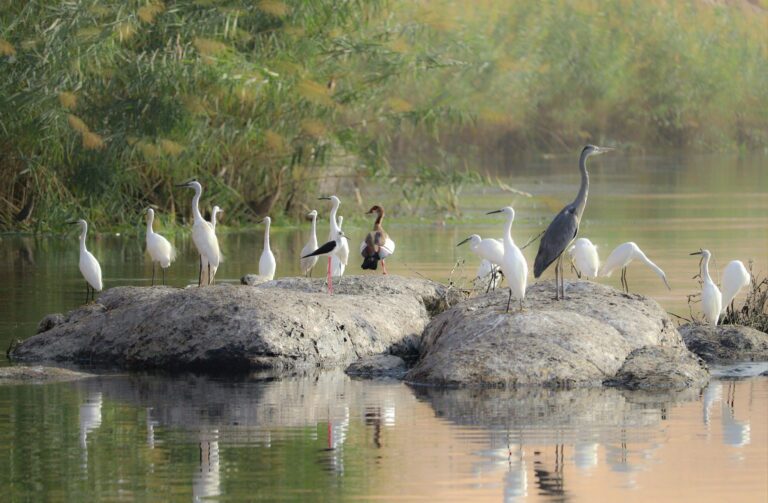
This new recognition isn’t just about putting Aswan on the map — it also opens the door for more people to experience what makes the region so special. Winter, in particular, is when Aswan truly shows its strength as a birding destination. The migration season brings a steady movement of species across the Nile, turning familiar spots into active viewing points for both experienced birders and newcomers.
The same landscapes that earned Aswan global attention — quiet river islands, calm shorelines, and the open desert edges — become even more rewarding during this time of year. Temperatures are comfortable, lighting conditions are ideal for photography, and the diversity of birds gives every outing a sense of purpose.
This is the environment that shaped the guides who now represent Aswan internationally, and it’s the same environment visitors can enjoy firsthand. A morning on the river, an afternoon near the lakes south of the city, or a simple walk along the water can offer sightings that reflect exactly why Aswan is starting to gain recognition beyond Egypt’s borders.
For anyone interested in seeing the region that inspired this milestone, and in understanding why it matters, winter is the best time to come. It’s when the story of Aswan’s birdlife unfolds in the most visible and rewarding way.