The 2026 birding season in Aswan began with findings of exceptional scientific and personal importance. Within the first two weeks of January, routine field activities developed into record-level observations, underscoring the continued ornithological value of southern Egypt. Two species were added as Aswan lifers under very different circumstances, yet both contributed meaningful data to regional bird records. These early discoveries not only expanded the documented avifauna of Aswan, but also marked a significant milestone in long-term, systematic bird recording.
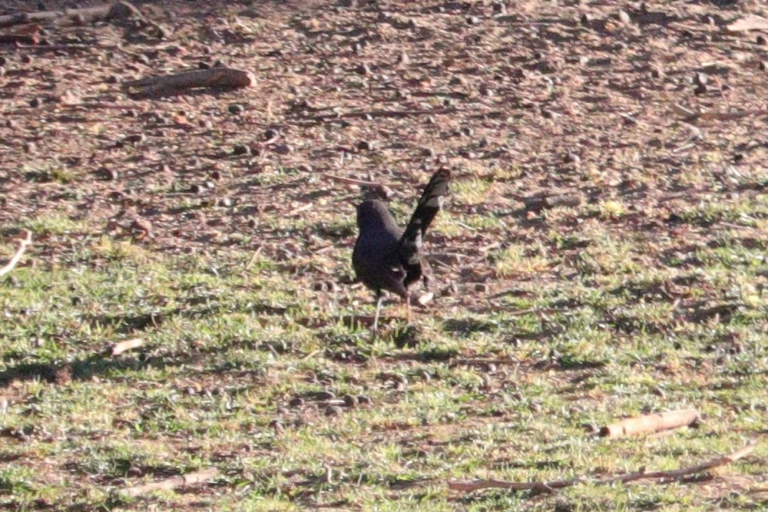
Black Scrub Robin: A First for Aswan (Lifer No. 200)
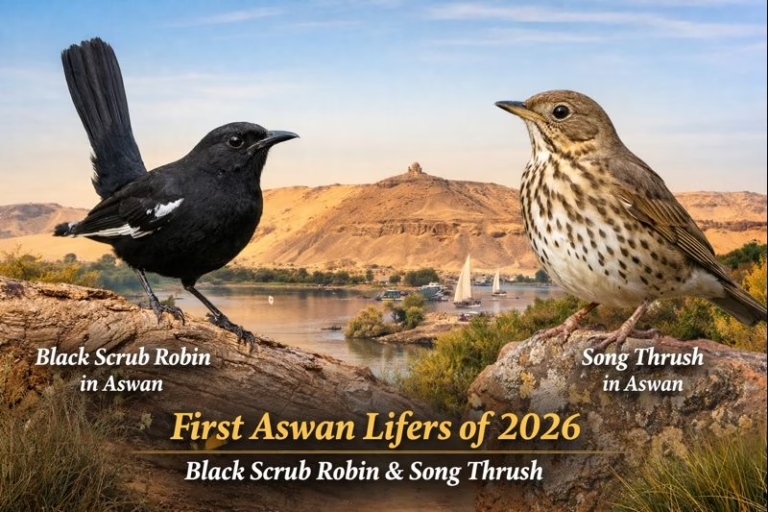
On 15 January 2026, during a routine Aswan Birdwatching field trip, an unexpected encounter unfolded along the desert-edge habitat near the Nile Valley. Careful observation revealed a Black Scrub Robin (Cercotrichas podobe), a species not previously recorded in Aswan.
According to eBird data, this sighting represents the first confirmed record of Black Scrub Robin in Aswan. The bird was confidently identified and documented by Ismael Khalifa, marking a notable extension of the species’ known local occurrence.
What makes this record even more special is its personal significance:
this Black Scrub Robin became bird number 200 on Ismael Khalifa’s life list.
Reaching such a milestone is never just about the number. It reflects years of fieldwork, consistent documentation, learning, and commitment to ethical birding. To have this milestone coincide with a first Aswan record adds a layer of meaning that few birders experience, a moment where personal achievement and regional ornithology meet.
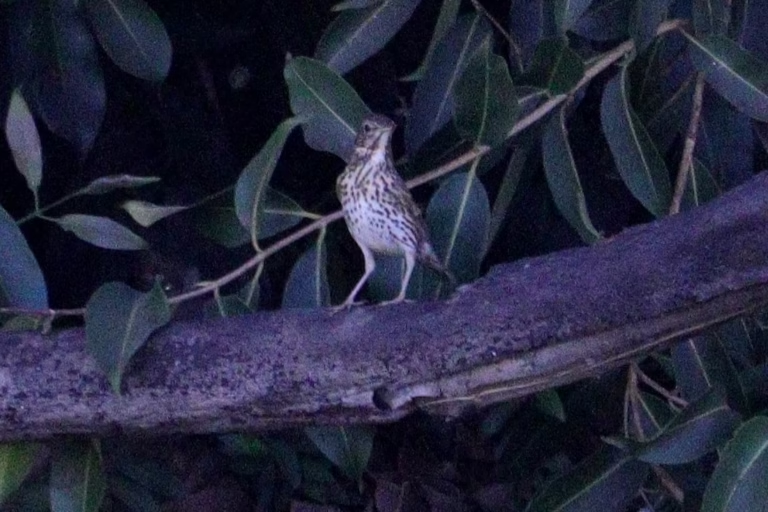
Song Thrush: The First Photographic Record
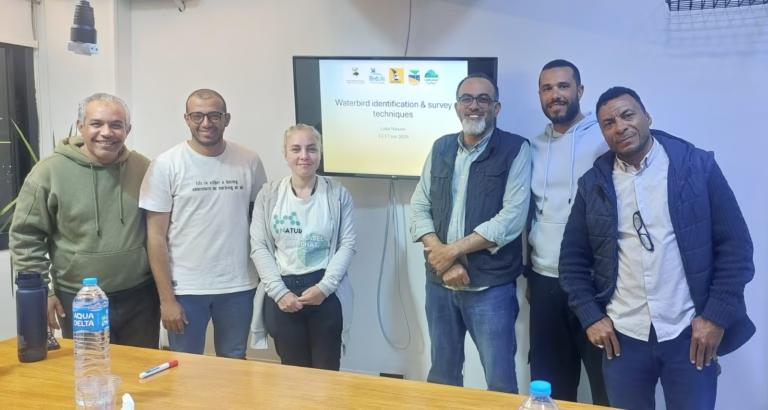
Just two days later, during a training trip focused on bird identification and survey techniques, another surprise emerged.
A Song Thrush (Turdus philomelos) was observed, a species rarely recorded in southern Egypt and particularly scarce in Aswan. According to eBird, this observation constitutes only the second record of Song Thrush in Aswan, and crucially, the first photographic documentation of the species in the governorate.
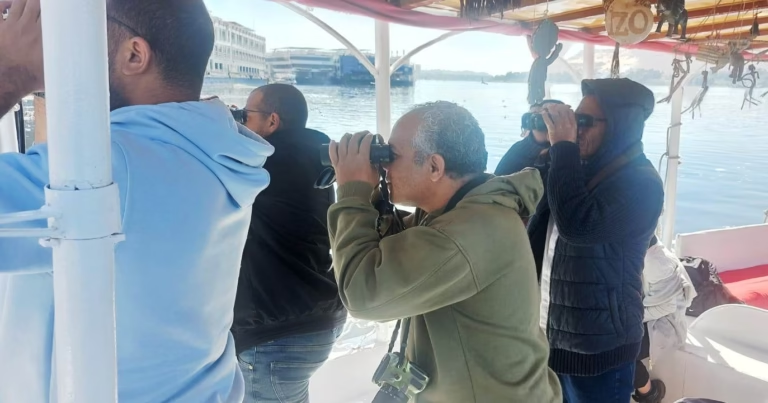
The observation of the Song Thrush occurred during a practical training session focused on waterbird identification and survey techniques, conducted in the field as part of a capacity-building activity. The training was sponsored by Nature Conservation Egypt (NCE) and the Ornithological Society of the Middle East (OSME), and organized by Sobek Planet for enviromental sevices, highlighting how structured training programs can directly contribute to valuable ornithological records and improved field documentation.
The presence of a Song Thrush in Aswan raises intriguing questions about migration routes, stopover behavior, and the potential under-recording of cryptic passerines in Upper Egypt. Training trips, often designed for education rather than discovery, once again proved their scientific value by producing data of real regional importance.
Why These Records Matter
These two lifers highlight several key points about birding in Aswan:
- Aswan is still underexplored ornithologically, especially for passerines.
- Regular field presence -even on routine or training trips- can yield nationally important records.
- Accurate documentation and submission to platforms like eBird play a crucial role in shaping our understanding of bird distribution in Egypt.
- Personal milestones, when properly recorded, can contribute meaningfully to citizen science.
A Promising Start to 2026
Beginning the year with a first Aswan record, a rare regional visitor, and a 200th life bird is more than just good fortune, it is a reminder of why we go into the field in the first place.
Aswan continues to surprise, reward patience, and reaffirm its importance on Egypt’s birding map.
With the year still young, these early lifers suggest that 2026 may hold many more discoveries along the Nile.
Pingback: Top 10 Extraordinary Bird Records in Aswan