Latest posts
-
Trip Report: Guiding Zoothera Birding Group (Aswan and Abu Simbel)
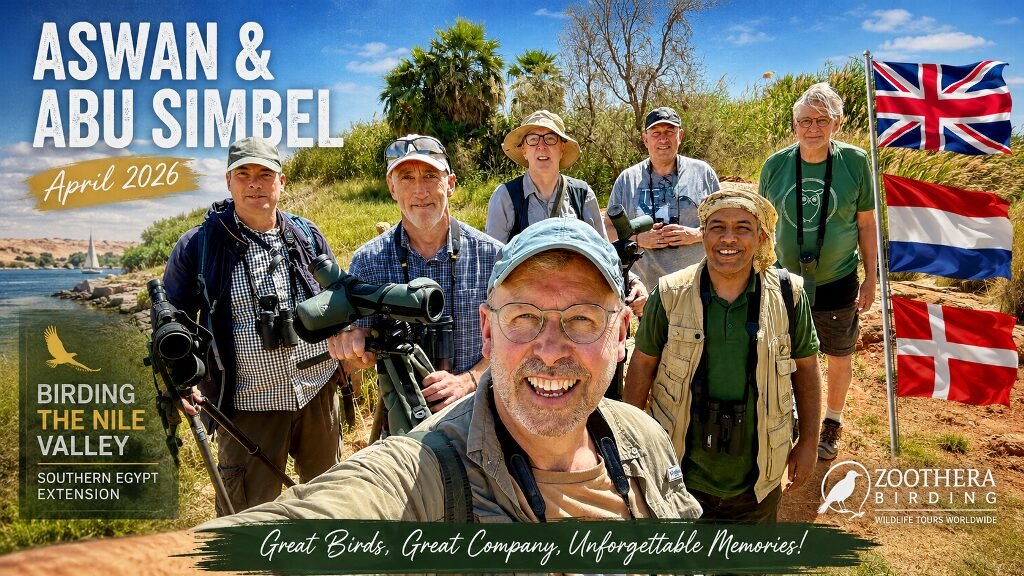
A memorable April 2026 birding adventure in Aswan and Abu Simbel, where Zoothera Birding enjoyed superb sightings of Nile Valley Sunbird, Reed Cormorant, African Pied Wagtail, Crimson-rumped Waxbill, and other southern Egypt specialties.
-
Trip Report: Guiding Austrian Birders Through the Nile and Lake Nasser
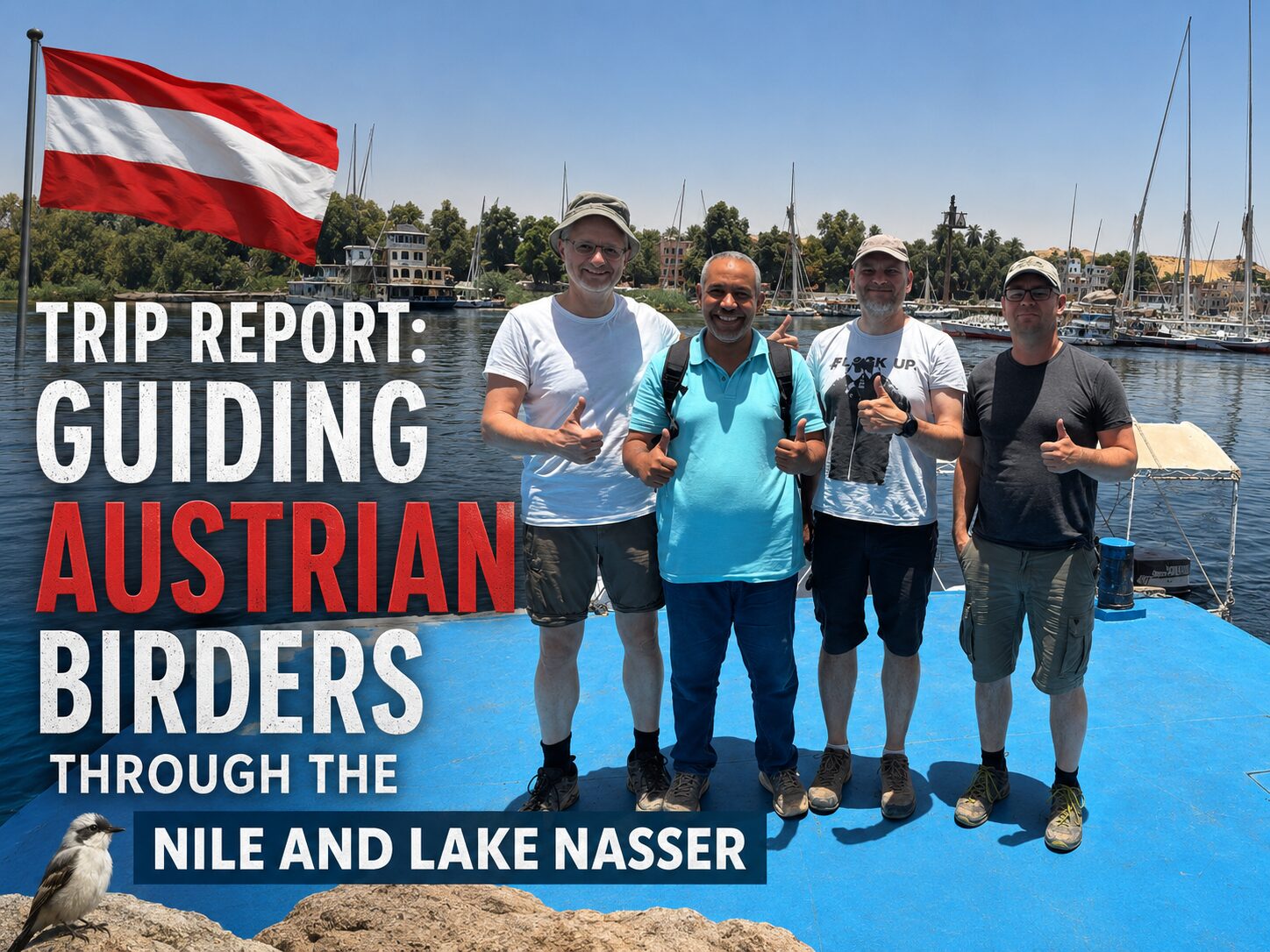
This trip report follows a memorable birdwatching journey through Aswan, the Nile, and Lake Nasser, where local guide Ismael Khalifa led a group of Austrian birders in search of southern Egypt’s most sought-after species. From Nile islands to desert-fringed shores, the trip delivered exceptional bird sightings, stunning scenery, and unforgettable birding experiences.
-
10 Fascinating Facts About the African Green Bee-eater
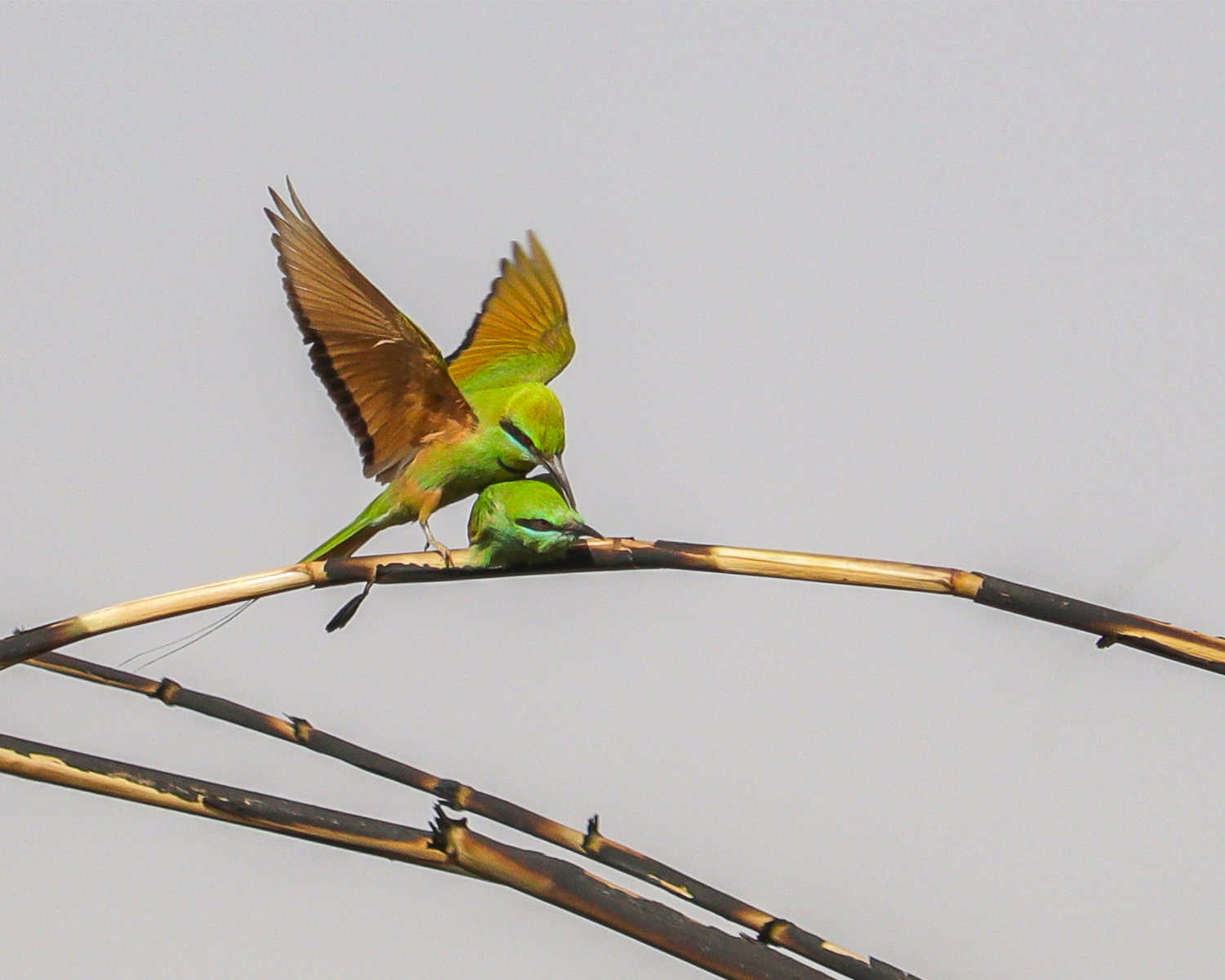
Discover 10 fascinating facts about the African Green Bee-eater, one of Aswan’s most colorful birds. Learn where to find it, what it eats, and why birders love it.
-
Birdwatching in Aswan: The Ultimate Guide for First-Time Visitors
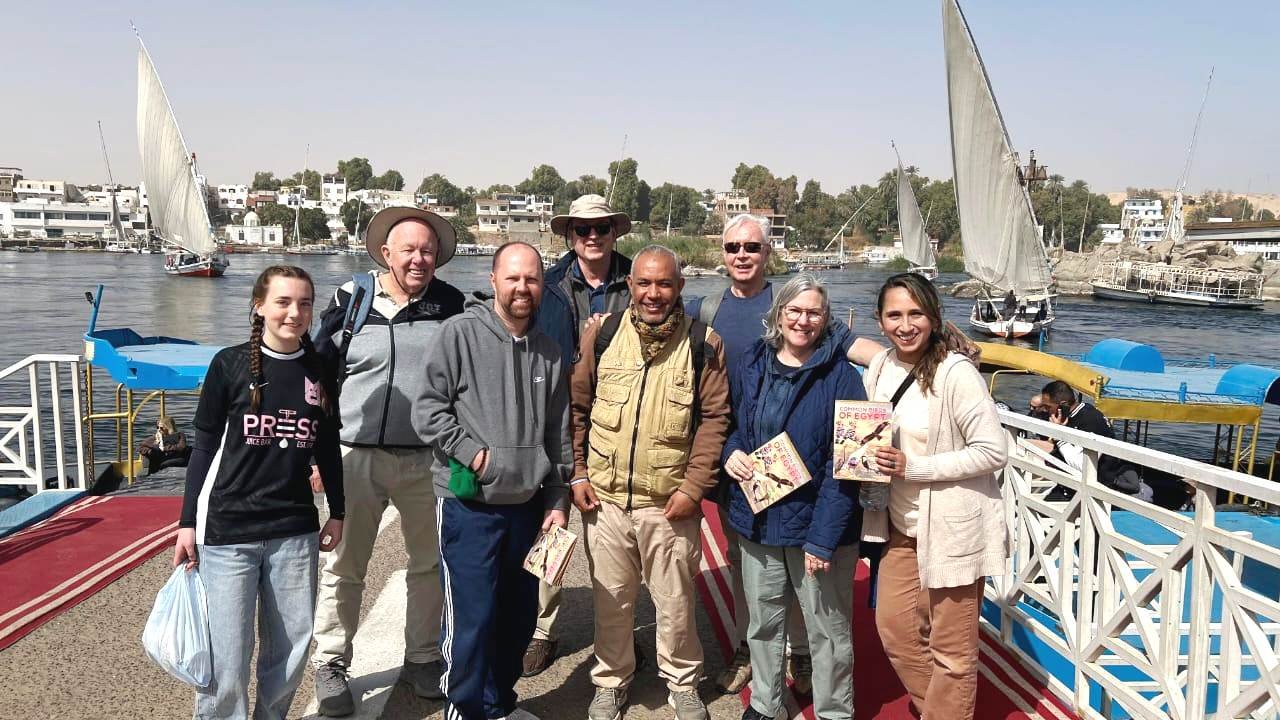
Discover why Aswan is one of Egypt’s most rewarding birdwatching destinations. From the Nile Islands and Lake Nasser to desert-edge habitats, this ultimate guide covers the best birding sites, target species, seasonal highlights, and practical tips for first-time visitors seeking African specialties and unforgettable wildlife experiences.
-
Aswan Birdwatching Celebrates World Environment Day 2026
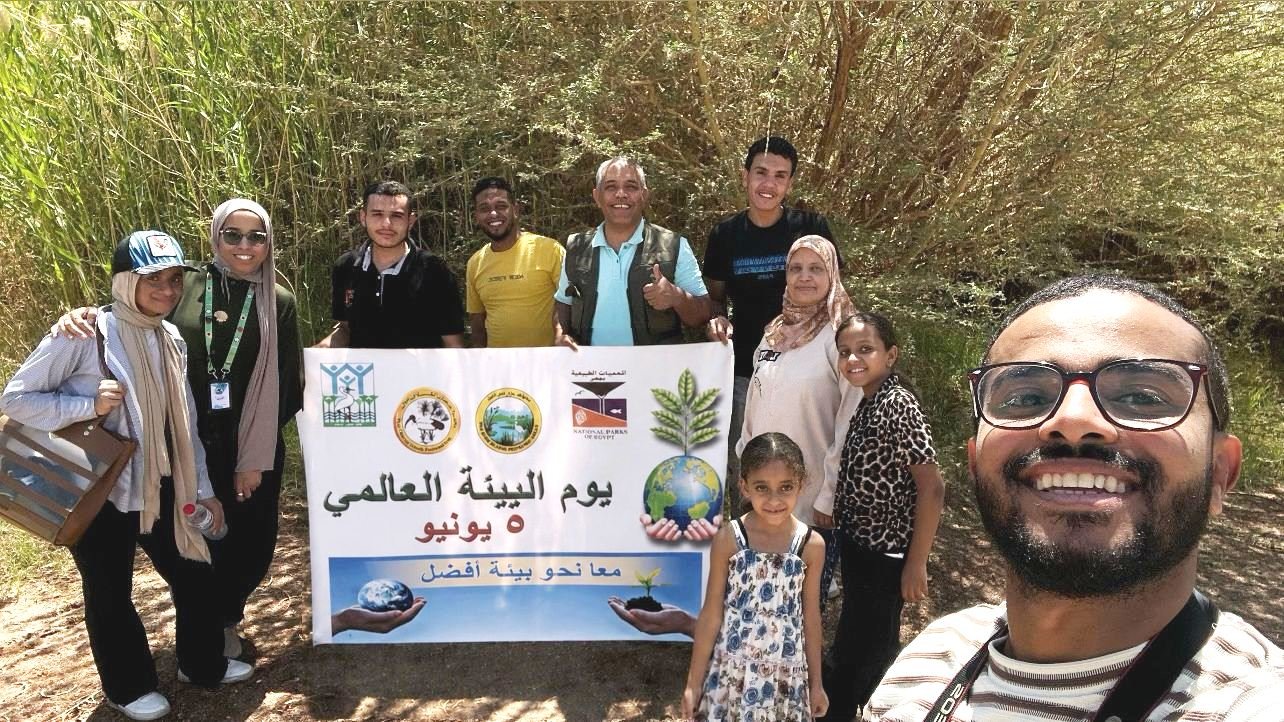
Aswan Birdwatching celebrated World Environment Day 2026 in partnership with the First Cataract Islands Protected Area through birdwatching activities, environmental education, citizen science training, and climate awareness initiatives.
-
Crimson-rumped waxbill cools off at Lake Nasser (Video)
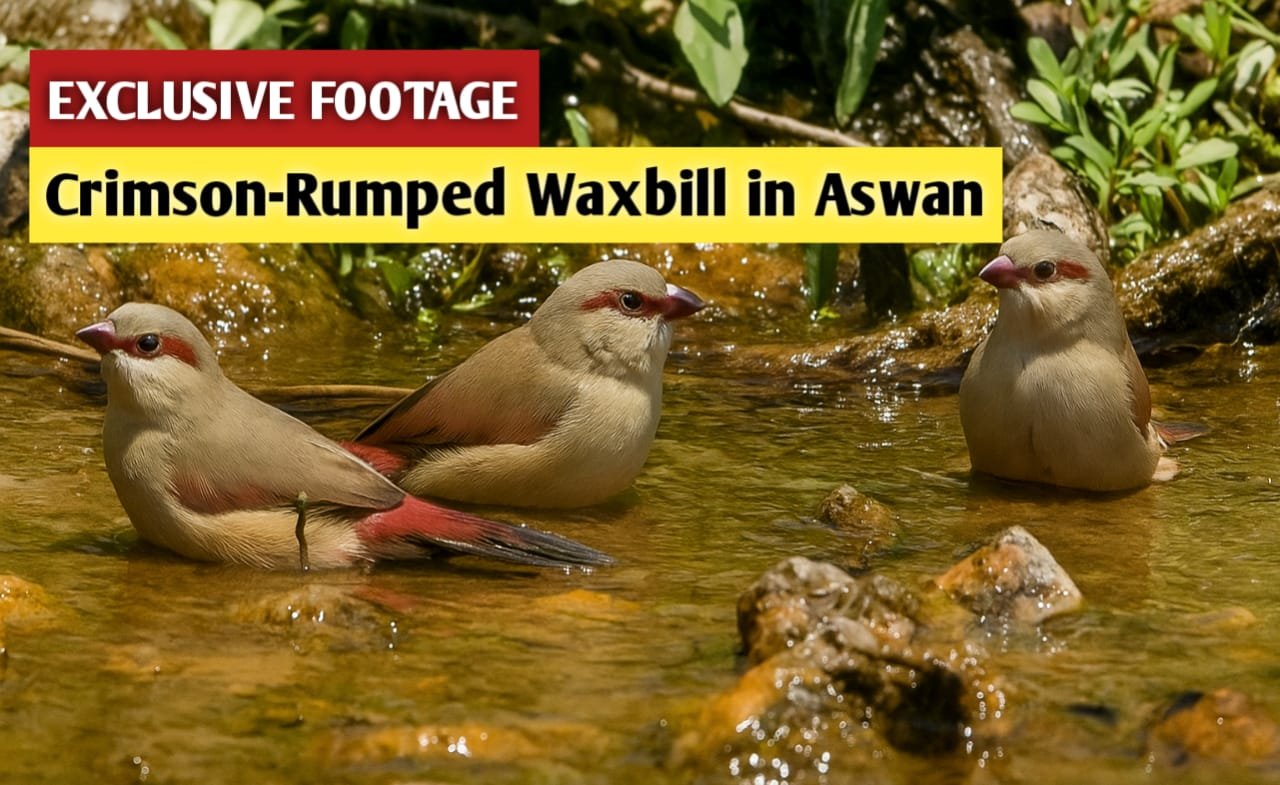
On 24 May 2025, birders near Abu Simbel documented the Crimson-rumped Waxbill on the shores of Lake Nasser. The sighting was a lifer for the visiting Austrian birders and a historic first documented observation by an Egyptian birder, further demonstrating Lake Nasser’s importance for rare African bird species in Egypt.
-
5 Unique Things to Do in Aswan Beyond the Temples
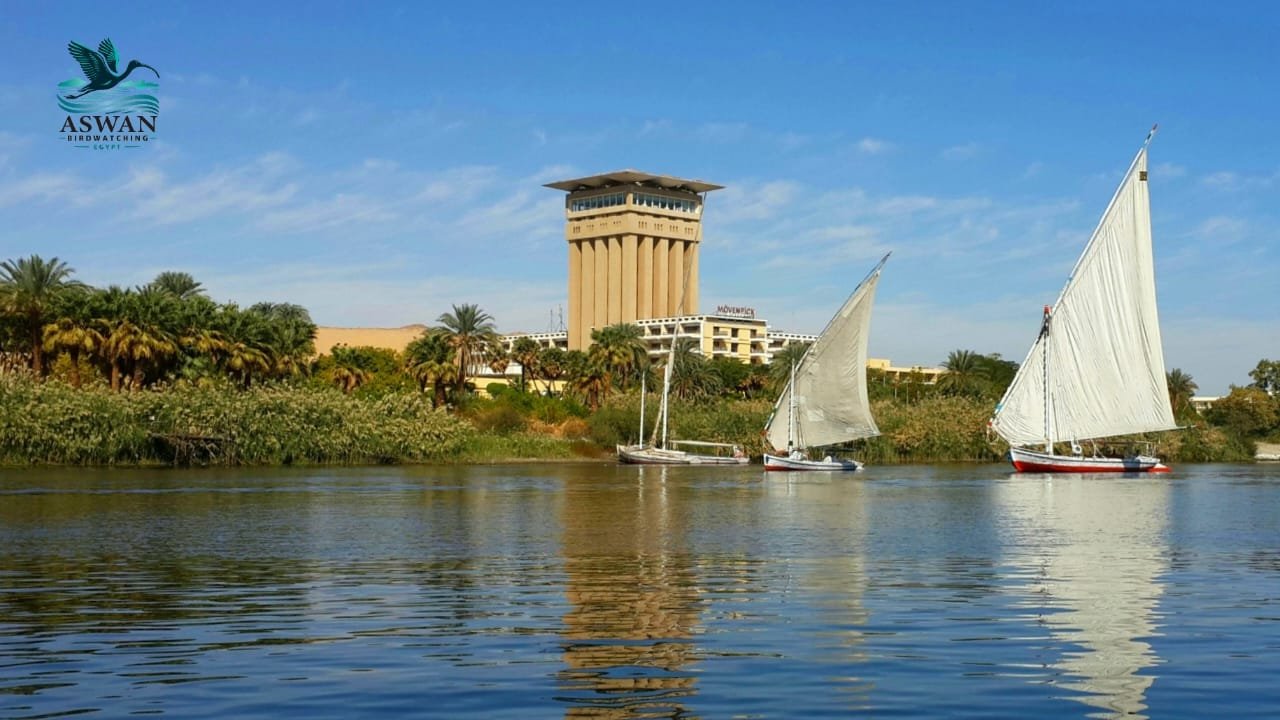
Discover a different side of Aswan with these 5 unique experiences beyond the famous temples. From birdwatching along the Nile and exploring hidden islands to connecting with Nubian culture and enjoying breathtaking desert landscapes, this guide reveals authentic activities that showcase the natural beauty and rich heritage of southern Egypt. Whether you’re a nature lover,…
-
The First in a Century: Breeding record for Reed Cormorant in Egypt
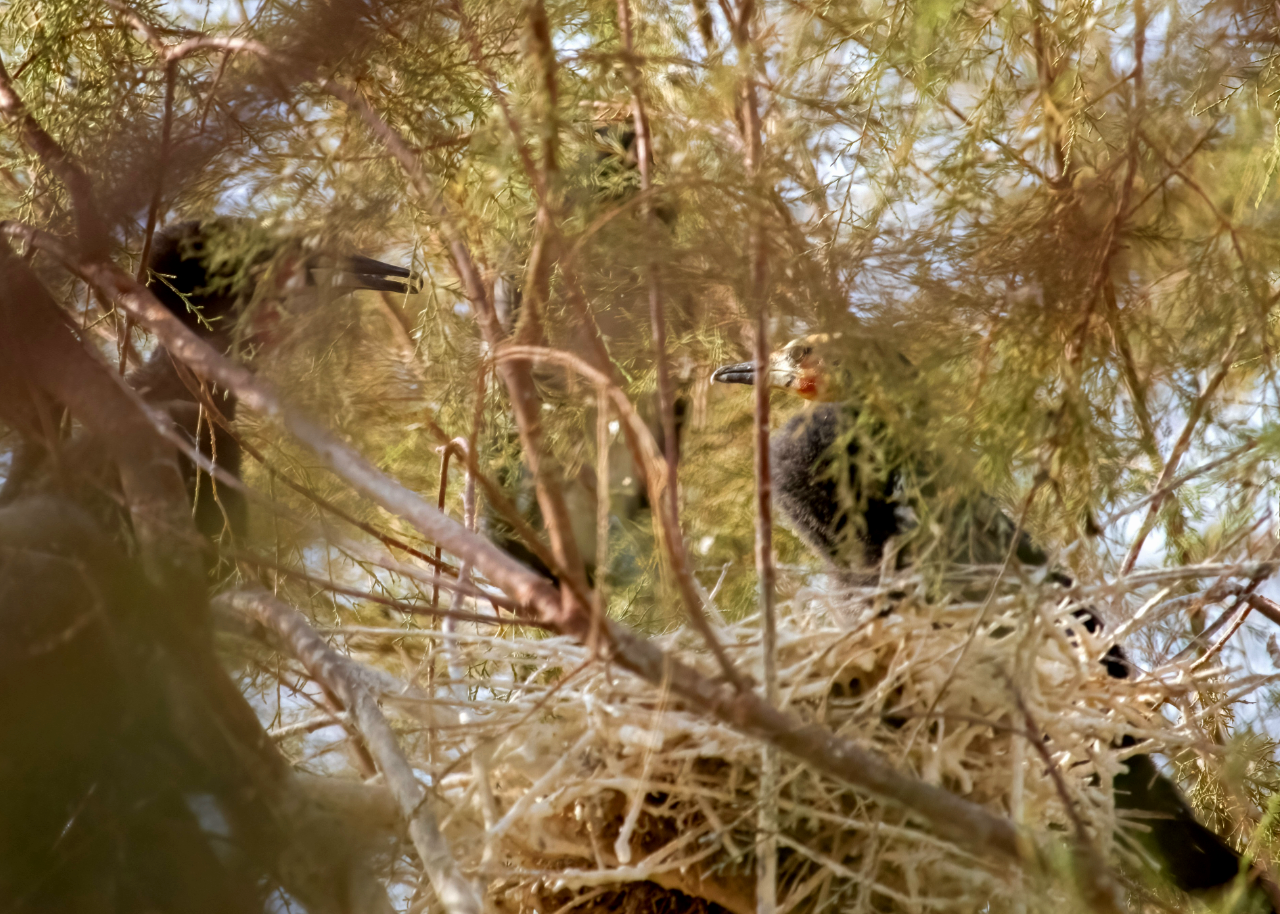
A guided birding trip on Lake Nasser on 23 August 2025 led to one of Egypt’s most remarkable ornithological discoveries: the first confirmed breeding record of the Reed Cormorant (Microcarbo africanus) in more than 120 years. The observation of active nests, breeding adults, and recently fledged juveniles confirmed the species’ successful return as a breeding…
-
Lake Nasser: A Hidden Paradise for Birders and Wildlife Enthusiasts
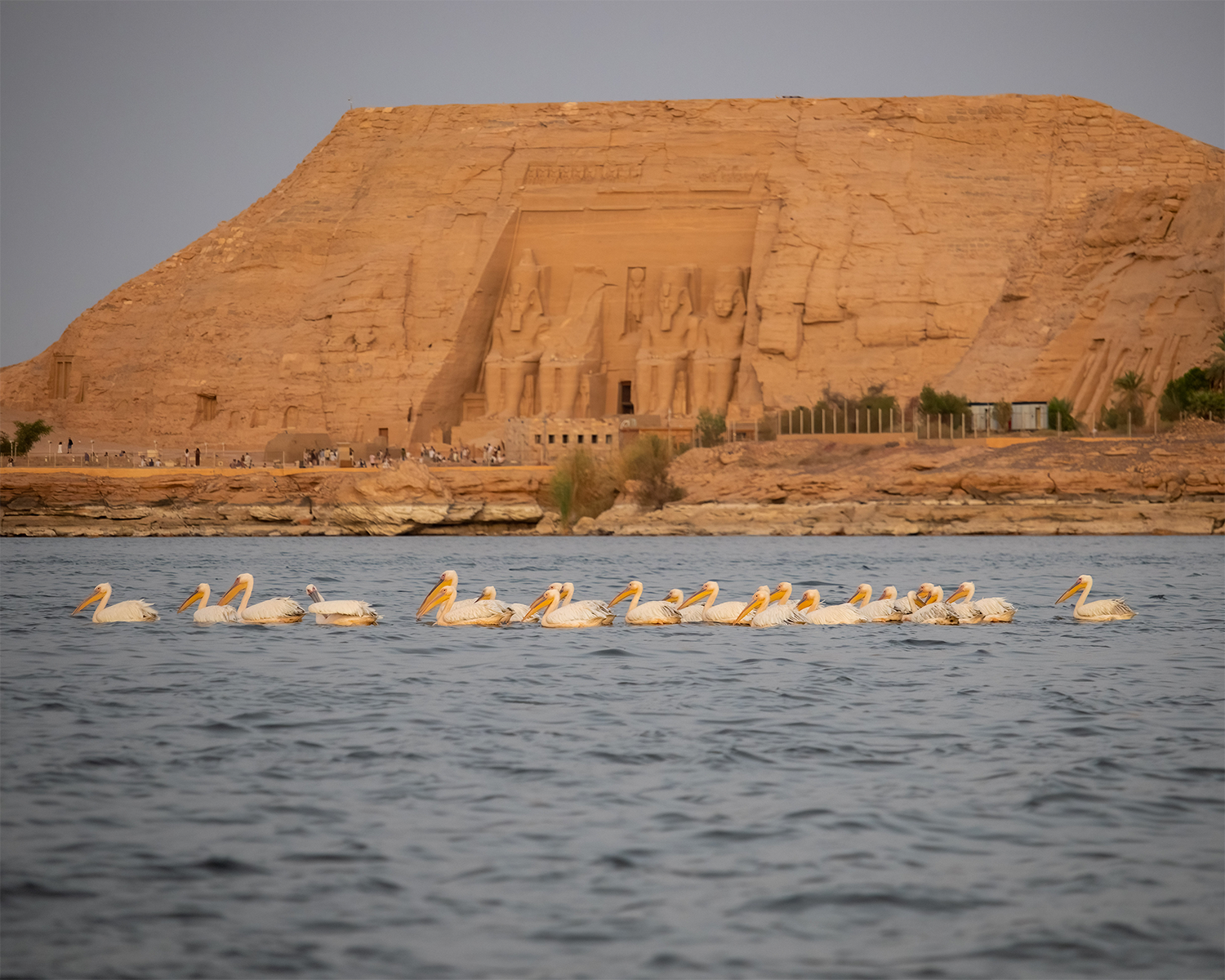
Lake Nasser is far more than a reservoir behind the Aswan High Dam. Stretching across the Sahara, it has become one of Egypt’s most important wildlife habitats, attracting migratory birds, Nile Crocodiles, and nature enthusiasts from around the world. Discover why this extraordinary lake deserves a place on every birder’s itinerary.
-
Aswan Birdwatching Participates in National Workshop to Combat Illegal Bird Killing in Egypt

Aswan Birdwatching participated in the national workshop on illegal bird hunting governance organized by Nature Conservation Egypt. Founder Ismael Khalifa joined experts and stakeholders from across Egypt to support efforts to end illegal bird killing and promote birdwatching tourism as a sustainable alternative that protects wildlife and creates economic opportunities for local communities.