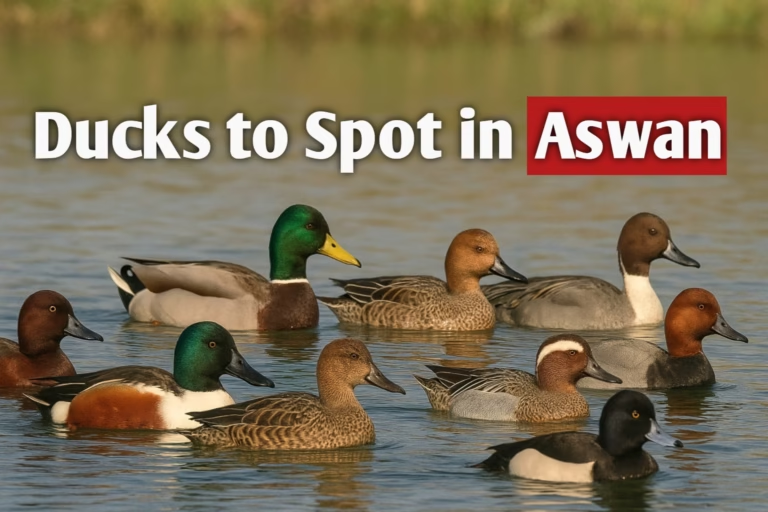
Every winter, Aswan transforms into a serene haven for migratory waterbirds arriving from the north. Among the most charming of these visitors are ducks: colorful, graceful, and full of character. The Nile River, its quiet backwaters, and the wetlands surrounding Aswan provide ideal feeding and resting grounds for numerous duck species. Here are 10 duck species to sopt in Aswan during Winter months.
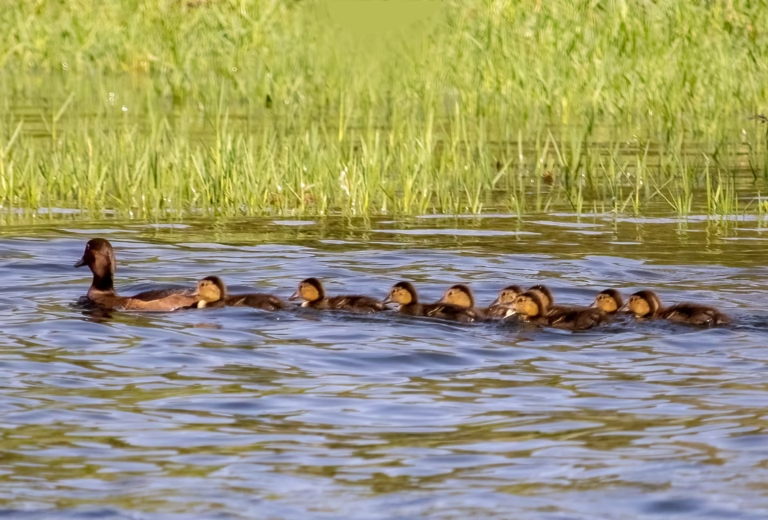
1. Ferruginous Duck (Aythya nyroca)
Aswan’s star duck and a resident breeder, the Ferruginous Duck stands out with its rich chestnut plumage and striking white undertail. Unlike most ducks that only visit in winter, this species can be seen year-round. It prefers calm lagoons and vegetated riverbanks which are perfect for nesting and feeding. Aswan plays an important role in the conservation of this globally near-threatened species.
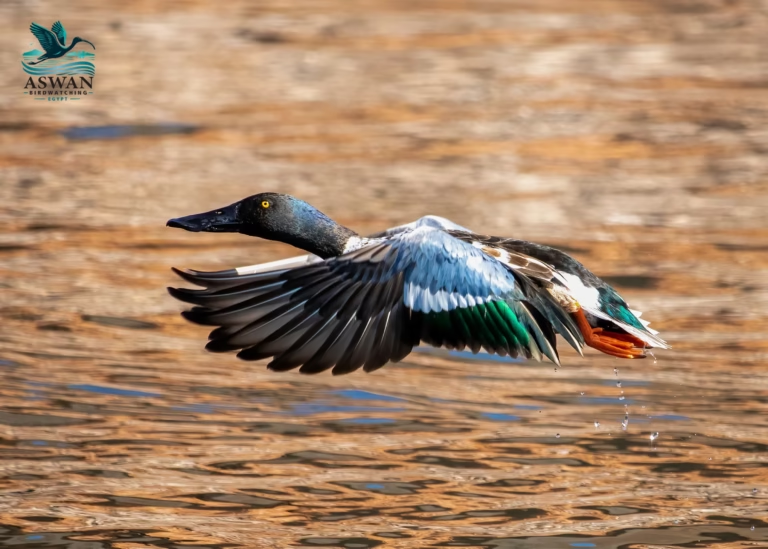
2. Northern Shoveler (Spatula clypeata)
With its oversized spoon-shaped bill, the Northern Shoveler is easy to recognize. These ducks migrate from northern Europe and Asia to spend the winter in Aswan’s shallow wetlands, where they sweep their bills through the water to filter out small aquatic organisms. Watch for males with their dazzling green heads and chestnut sides during the cooler months.
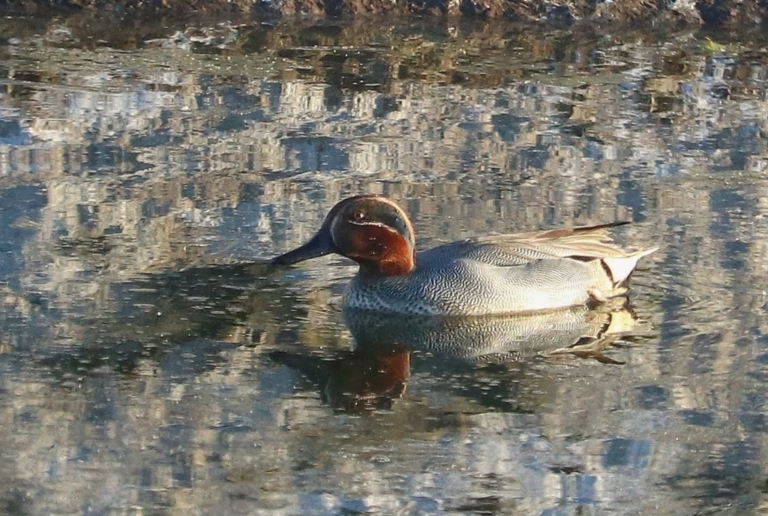
3. Eurasian Teal (Anas crecca)
The Eurasian Teal is one of the smallest ducks seen in Aswan. Fast, agile, and sociable, they often gather in mixed flocks with other dabbling ducks. Their soft whistling calls and quick flights over the Nile’s reeds are a familiar winter soundscape for birdwatchers along the river.
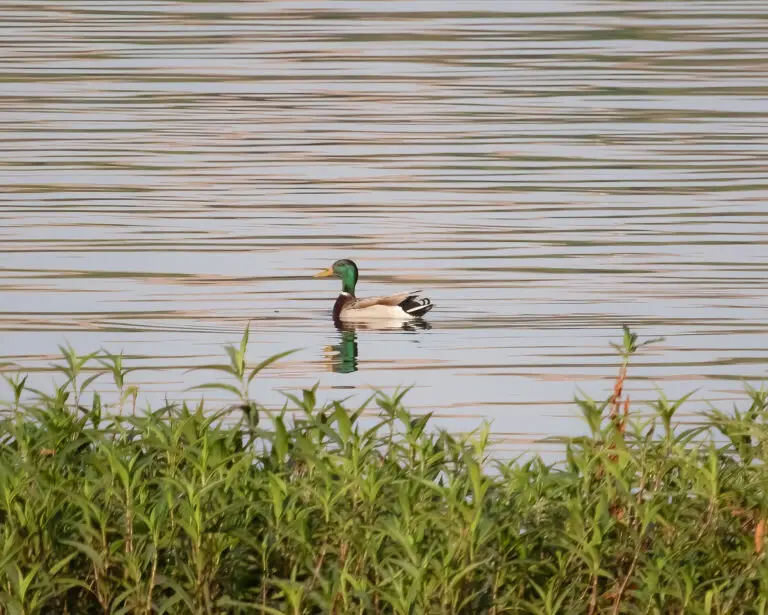
4. Mallard (Anas platyrhynchos)
Known worldwide, the Mallard is also a winter visitor to Aswan. The male’s glossy green head and yellow bill make it instantly recognizable, while the female’s mottled brown feathers offer excellent camouflage. Mallards are adaptable and can be spotted in various habitats, from quiet canals to city waterfronts.
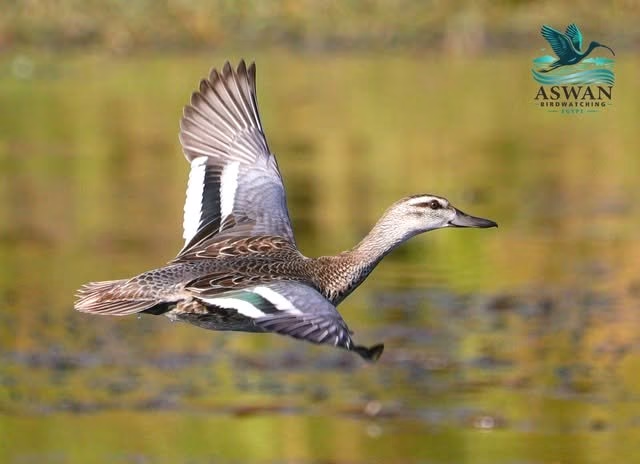
5. Garganey (Spatula querquedula)
The Garganey is a true migratory traveler, breeding in Eurasia and wintering in Africa. It’s one of the earliest ducks to arrive in autumn. The male’s white crescent above the eye and elegant gray-and-brown plumage make it a favorite among photographers. Garganeys often feed in shallow flooded fields and reedy margins of the Nile.
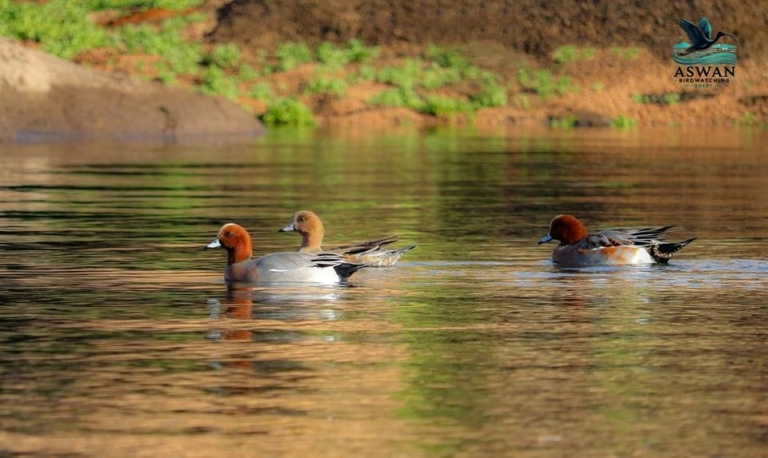
6. Eurasian Wigeon (Mareca penelope)
The Eurasian Wigeon adds a splash of color to Aswan’s winter wetlands. Males display a rich chestnut head with a golden crown, while females are more subtly patterned. Their distinctive whistling call often echoes over the calm waters. They feed mainly on aquatic plants, often grazing in groups near the Nile’s grassy banks.
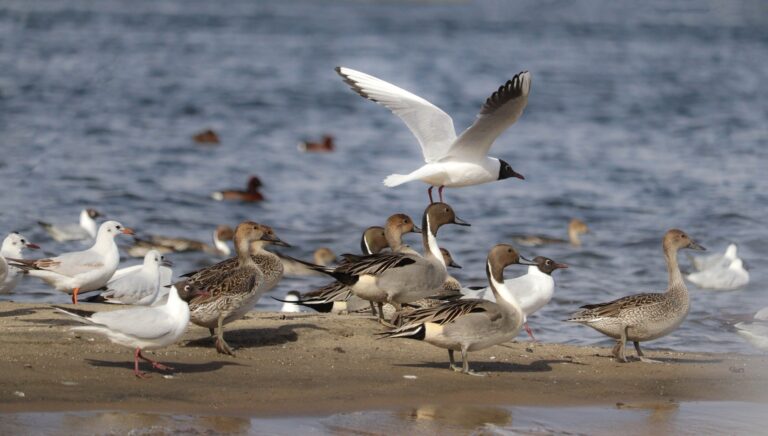
7. Northern Pintail (Anas acuta)
Graceful and elegant, the Northern Pintail is a picture of refinement among ducks. The long, pointed tail feathers of the male give the species its name. Though not abundant, small flocks can be found in Aswan’s quieter backwaters and lagoons, where they feed on seeds and aquatic plants.
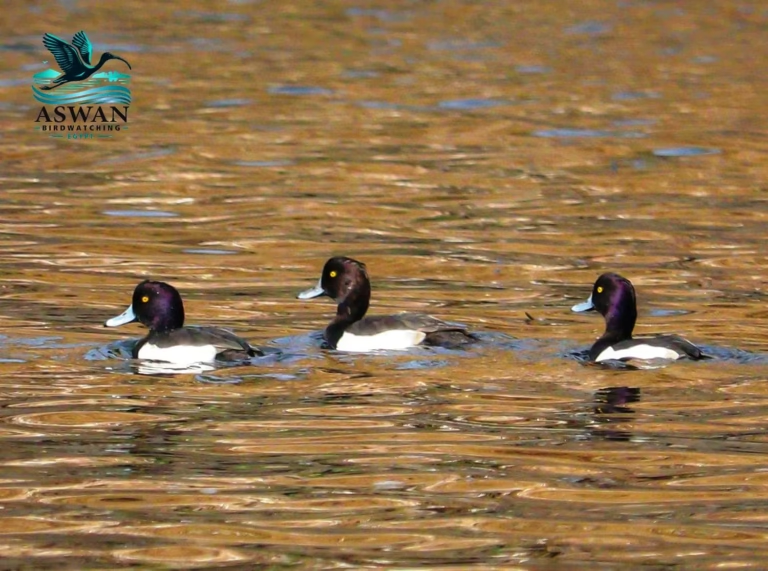
8. Tufted Duck (Aythya fuligula)
With its bold black-and-white plumage and a distinctive head tuft, the Tufted Duck is a striking diving duck. They are skilled divers, often disappearing beneath the surface to catch mollusks and aquatic insects. They are less numerous than dabbling ducks but can occasionally be seen among mixed flocks on deep water bodies.
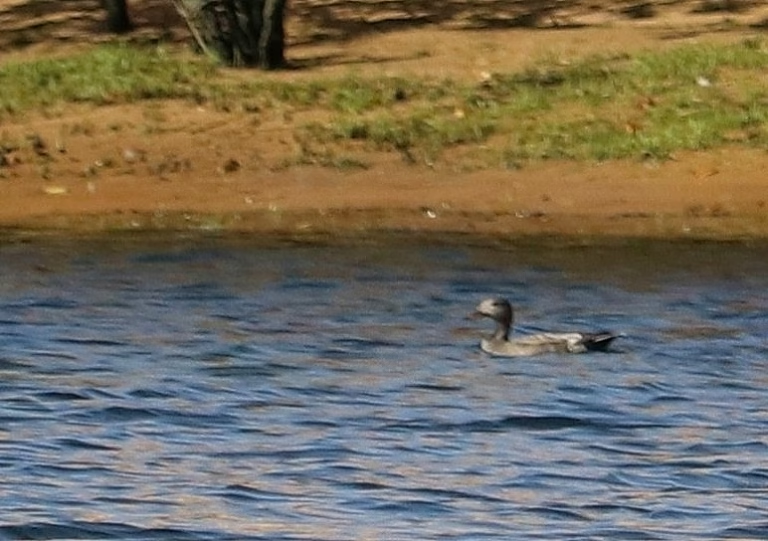
9. Gadwall (Mareca strepera)
A more subtle beauty, the Gadwall may appear plain at first glance, but closer observation reveals fine gray patterns and a distinctive white wing patch. It’s a relatively rare winter visitor in Aswan, usually found among other dabbling ducks in sheltered lagoons. The Gadwall’s quiet presence rewards those who take time to observe the details.
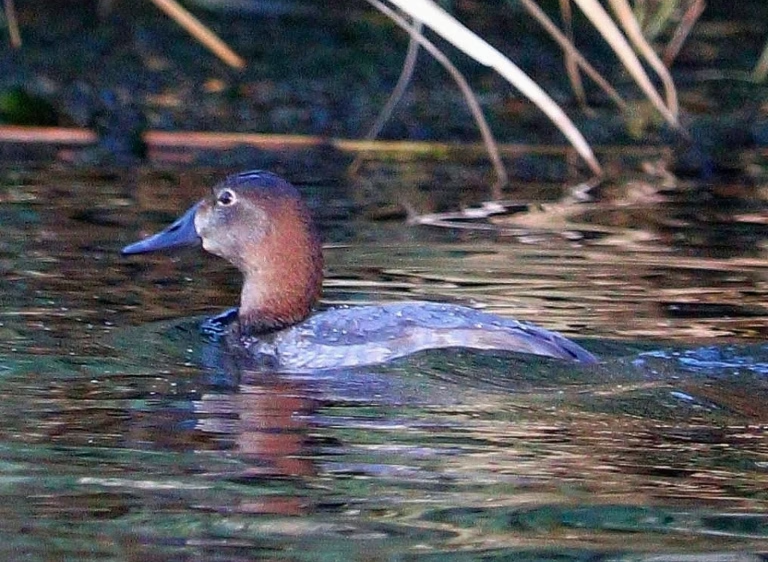
10. Common Pochard (Aythya ferina)
The Common Pochard is another uncommon visitor to Aswan, recognized by the male’s reddish head and dark chest. This diving duck favors deeper sections of the Nile and larger lakes, where it feeds on aquatic plants and small invertebrates. Its appearance in Aswan adds to the diversity of the region’s wintering waterfowl.