When most visitors think of Aswan, iconic landmarks such as the High Dam, Philae Temple, and the Nile River often come to mind. Yet beyond the city lies one of Egypt’s most remarkable natural treasures; a place where desert landscapes meet endless waters, where migratory birds find refuge, and where wildlife thrives in surprising abundance. Welcome to Lake Nasser, one of the largest man-made lakes in the world and a hidden gem for birdwatchers and nature lovers alike.
The Birth of a Giant Lake
Lake Nasser was created following the construction of the Aswan High Dam in the 1960s. Stretching approximately 500 kilometers from southern Egypt into northern Sudan, the lake covers more than 5,000 square kilometers and stores vital water resources for Egypt.
Named after President Gamal Abdel Nasser, the lake transformed the region’s geography, creating an immense freshwater ecosystem in the heart of the Sahara. What was once a landscape of desert valleys and ancient riverbanks became a mosaic of islands, bays, reedbeds, and shallow lagoons that now support a remarkable variety of wildlife.
A Unique Ecosystem in the Desert
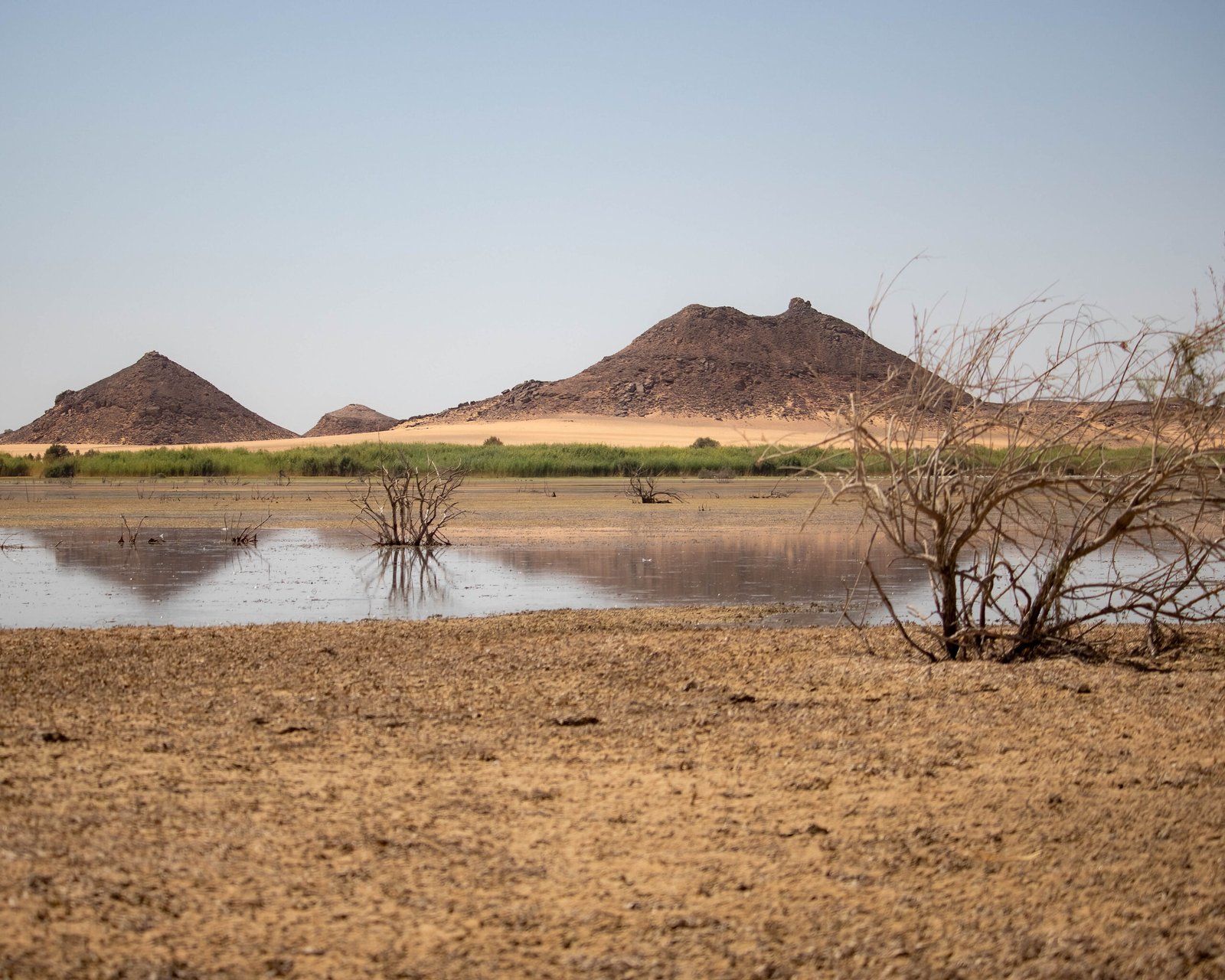
At first glance, it may seem surprising that a vast reservoir in the heart of the Sahara could become a thriving center of biodiversity. Yet over the decades, Lake Nasser has developed into one of southern Egypt’s most important freshwater ecosystems.
With thousands of kilometers of shoreline, countless islands, sheltered bays, and inlets, the lake creates a remarkable variety of habitats that support birds, fish, reptiles, and mammals. The striking contrast between rugged desert landscapes and life-rich waters makes Lake Nasser a unique ecological transition zone.
Its diverse habitats include extensive reedbeds and marshes, sandy islands and mudflats, rocky shorelines, shallow feeding grounds for waterbirds, and desert environments that lie directly alongside freshwater habitats. Together, these ecosystems provide essential breeding, feeding, and resting areas for a wide range of resident and migratory species throughout the year.
A Birdwatcher’s Paradise
For birdwatchers, Lake Nasser is one of Egypt’s most rewarding and least-explored destinations. Situated along major migratory flyways linking Africa, Europe, and Asia, the lake serves as a vital refuge for countless birds throughout the year.
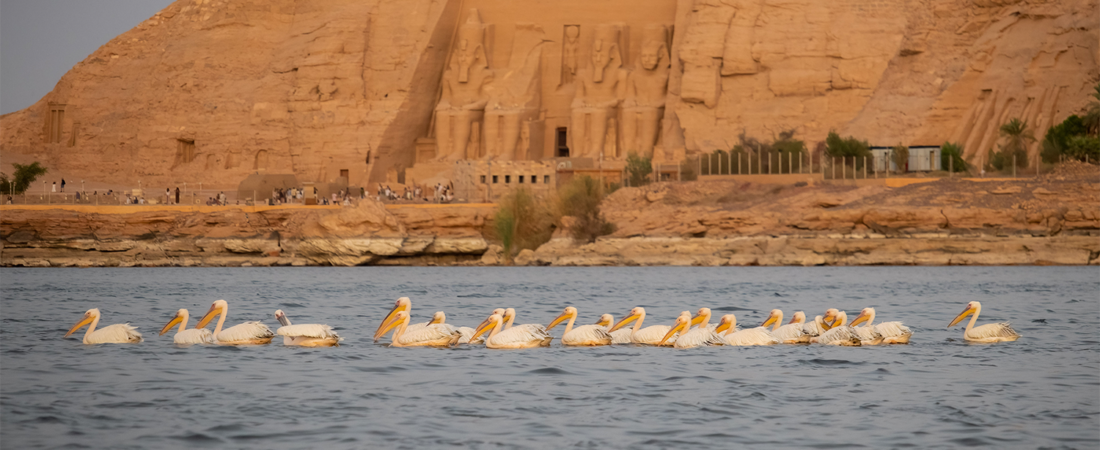
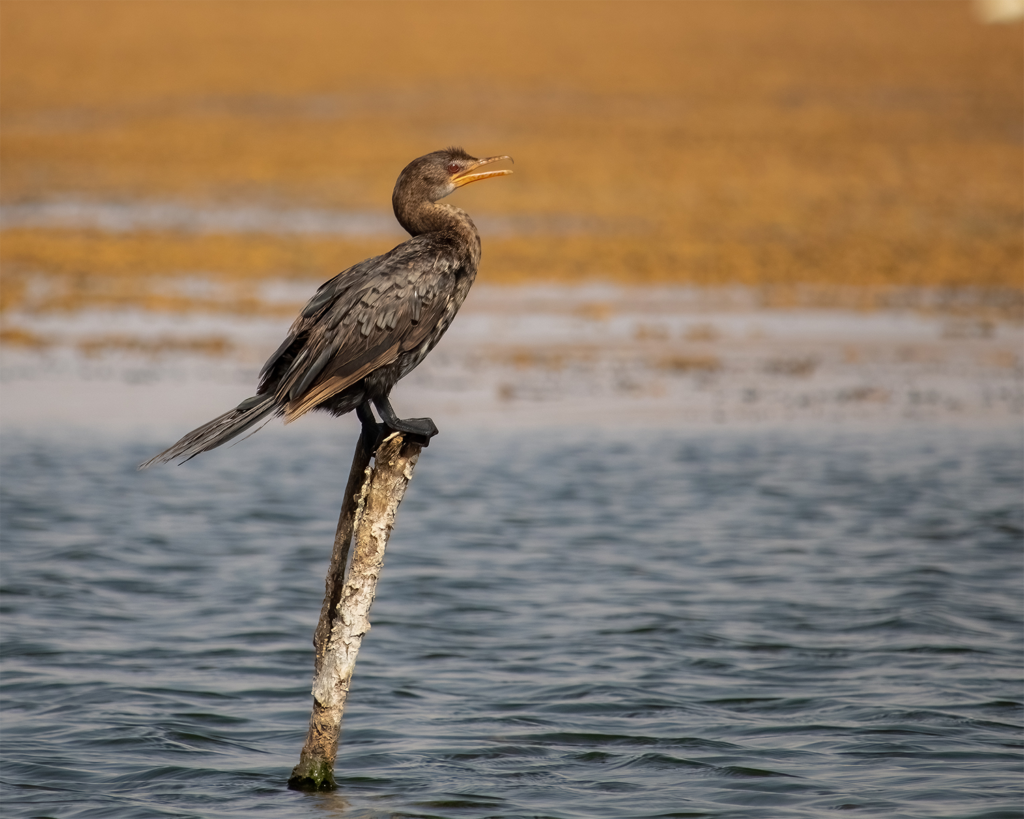
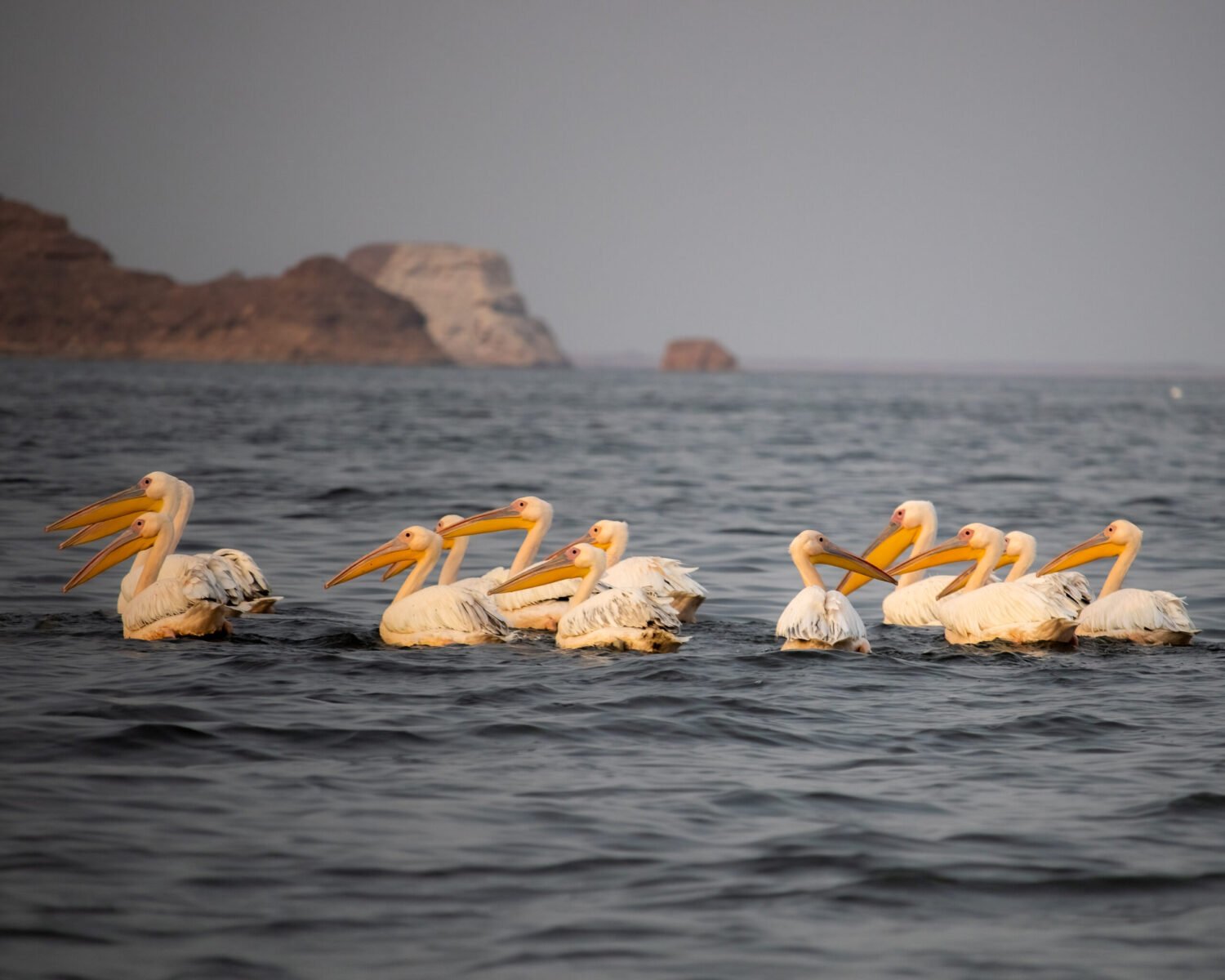
Its vast expanse of open water, secluded islands, reed-fringed shores, and shallow feeding areas creates an exceptional diversity of habitats. As a result, visitors can encounter an impressive variety of species, from elegant herons and egrets to cormorants, Pelicans, and numerous migratory shorebirds.
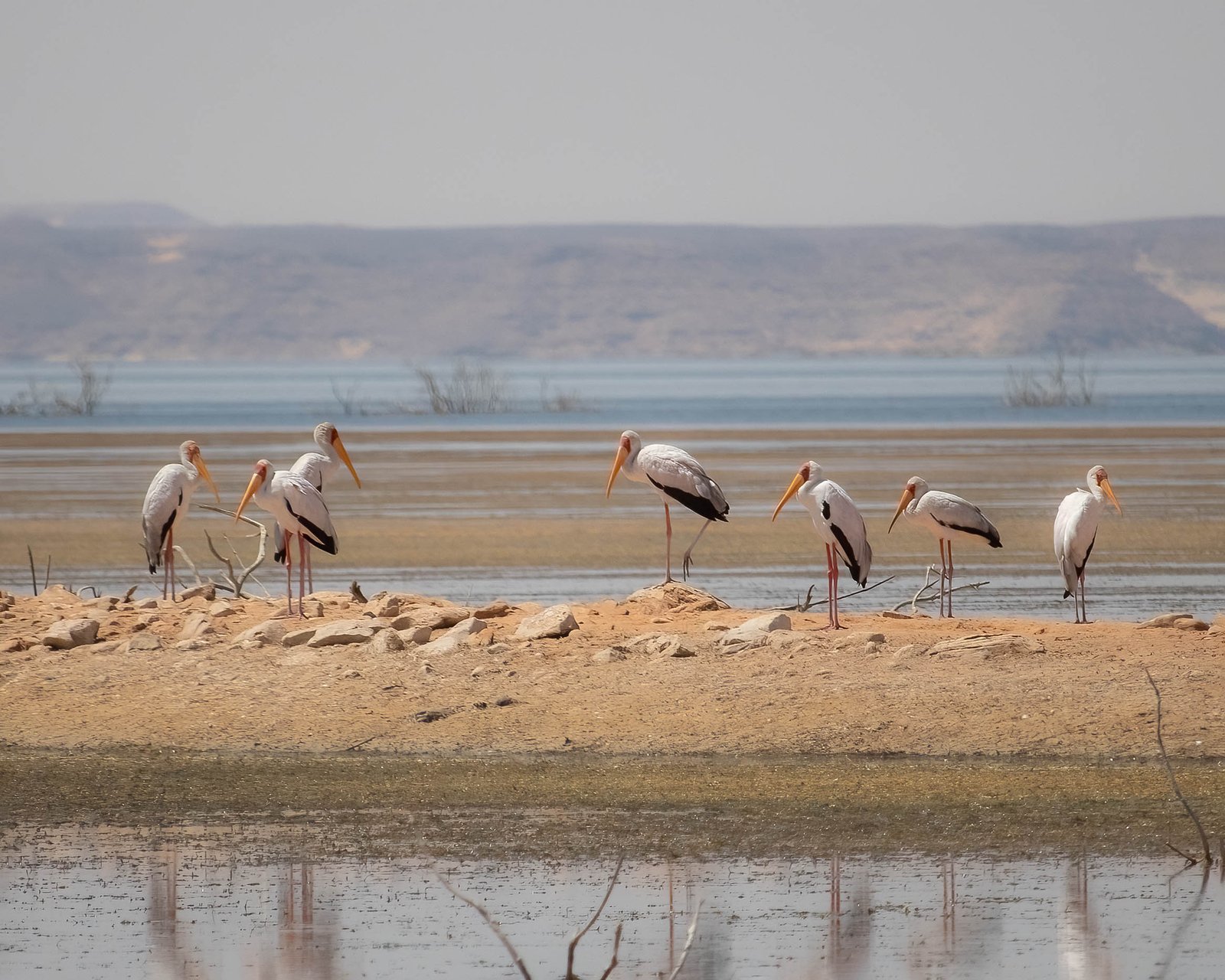
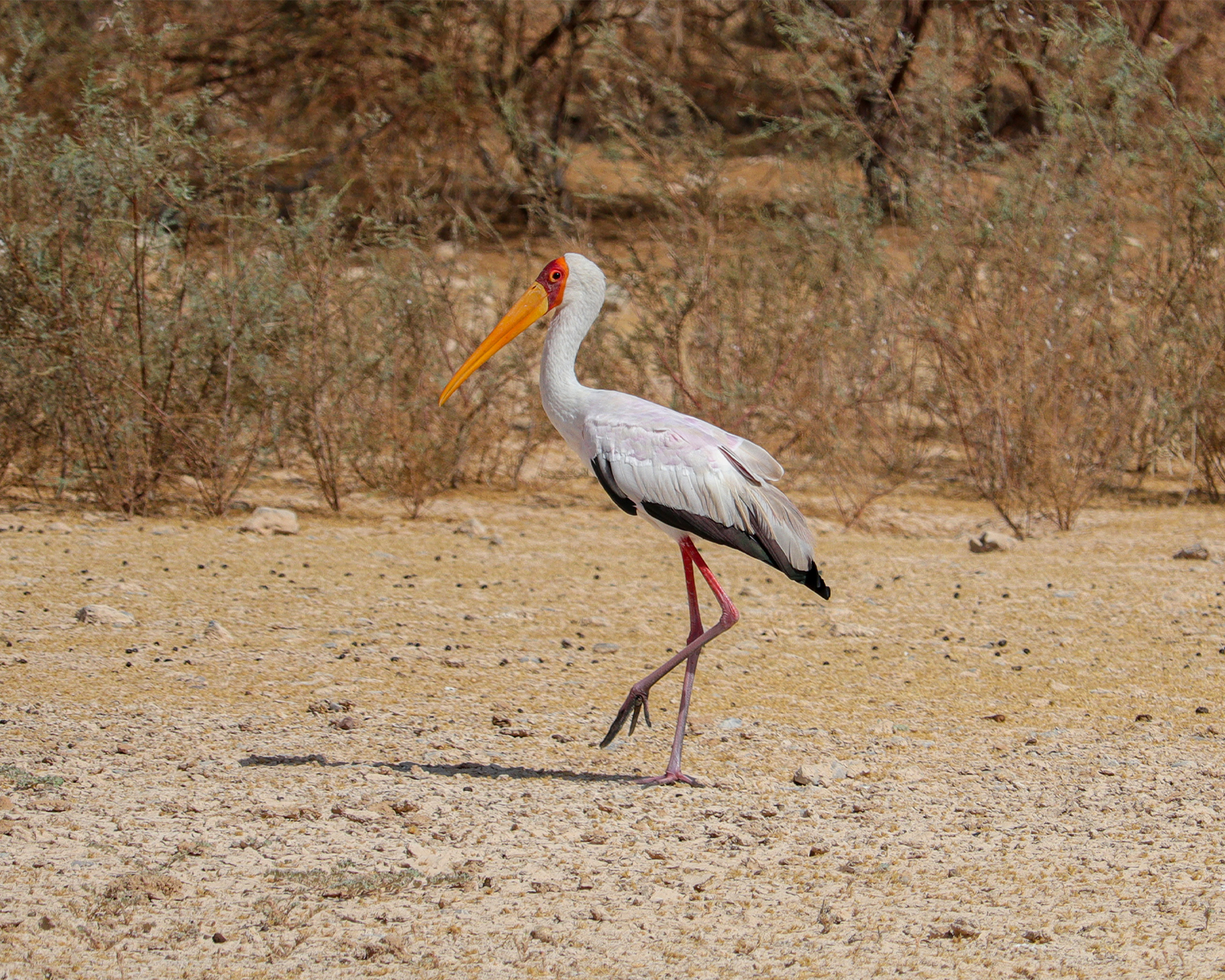
What makes Lake Nasser particularly exciting is its unique blend of Palearctic and African avifauna. The lake and its surrounding habitats host a number of sought-after African species that are difficult or impossible to find elsewhere in the Western Palearctic. For visiting birders, this offers a rare opportunity to observe species such as Yellow-billed Stork, Village Weaver, African Pied Wagtail, Crimson-rumped Waxbill, Kittlitz’s Plover, and other African specialties without leaving Egypt.
The surrounding desert adds another dimension to the birding experience, with raptors soaring overhead and desert-adapted species thriving along the rugged shoreline. During the spring and autumn migration seasons, bird activity reaches its peak, transforming Lake Nasser into a dynamic crossroads for birds traveling between continents.
Whether you are hoping to add exciting African species to your life list, capture stunning wildlife photographs, or simply enjoy the spectacle of birds in a dramatic desert setting, Lake Nasser offers a birdwatching experience unlike any other in Egypt.
The Famous Crocodiles of Lake Nasser
No discussion of Lake Nasser is complete without mentioning the Nile Crocodile.
Lake Nasser supports one of the world’s largest populations of these iconic reptiles. Large individuals can often be seen basking on sandy shores or quietly patrolling the water’s edge.
The presence of Nile Crocodiles reflects the ecological richness of the lake and provides visitors with a rare opportunity to observe one of Africa’s most ancient predators in its natural environment.
Responsible Birdwatching on Lake Nasser
The ecological importance of Lake Nasser makes responsible tourism essential.
Visitors should:
- Maintain a respectful distance from wildlife.
- Avoid disturbing nesting birds.
- Follow local conservation guidelines.
- Leave no litter behind.
- Support local guides and eco-friendly tourism initiatives.
By practicing ethical birdwatching, visitors help ensure that this unique ecosystem remains healthy for future generations.
In recent years, Lake Nasser has become an increasingly important conservation success story.
Recognizing the lake’s exceptional ecological value and its importance for resident and migratory birds, the Egyptian Ministry of Environment issued a decision to ban bird hunting activities on Lake Nasser.
This landmark measure aims to protect one of Egypt’s most significant freshwater ecosystems and safeguard the thousands of birds that rely on the lake during migration and throughout the year.
The hunting ban has been widely welcomed by conservationists and birdwatchers, helping Lake Nasser strengthen its role as a safe refuge for wildlife and a promising destination for sustainable ecotourism.
Today, the lake stands as a powerful example of how nature conservation and responsible tourism can work together to protect biodiversity while creating new opportunities for local communities.