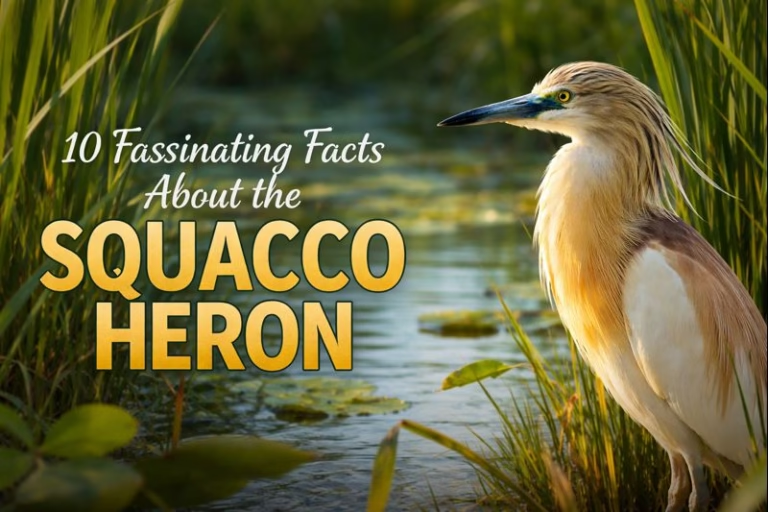
Among the many herons that grace the Nile Valley, the Squacco Heron (Ardeola ralloides) stands out for its subtle beauty and clever behavior. Often overlooked when standing still, this small heron transforms into a flash of white when it takes flight. Here are 10 remarkable facts that reveal why the Squacco Heron deserves a closer look.

1. A Bird of Two Personalities
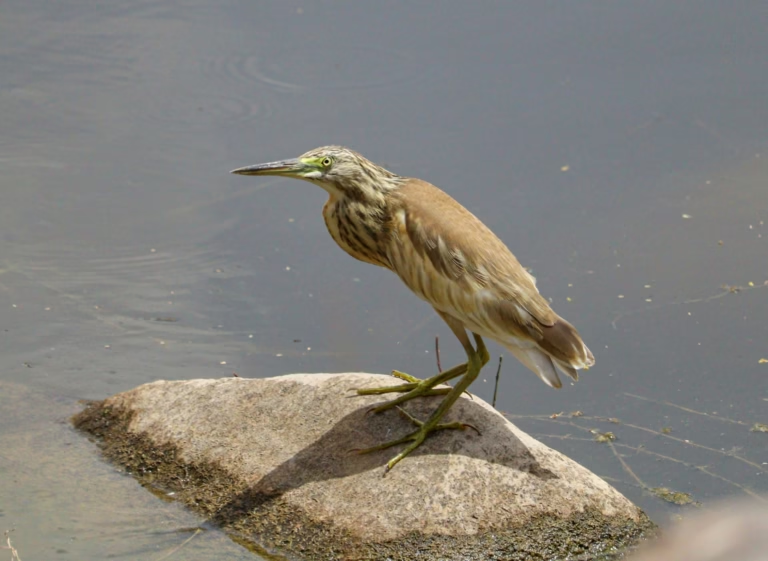
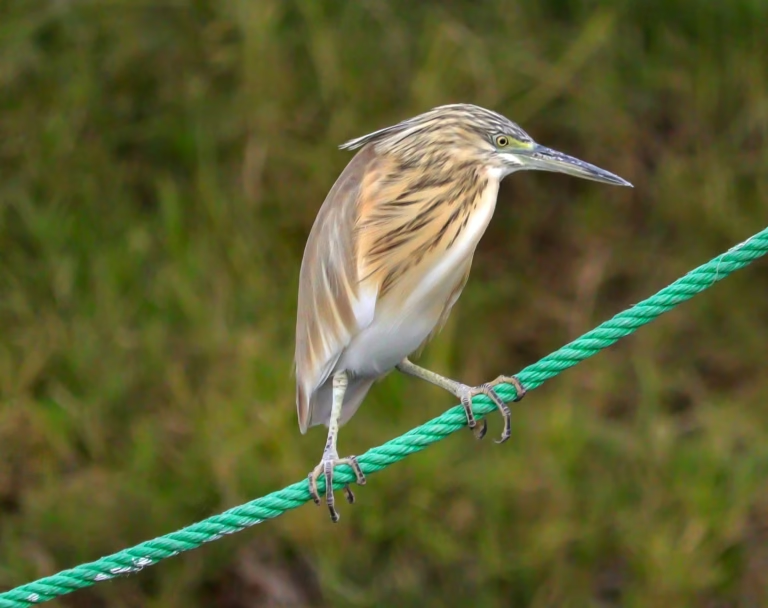
On the ground, the Squacco Heron looks warm-toned and well-camouflaged, buff, cream, and brown. But once airborne, it suddenly reveals brilliant white wings, surprising both predators and birdwatchers. This dramatic contrast is one of its most distinctive traits.
2. Perfectly Adapted to the Nile
The Squacco Heron thrives in slow-moving freshwater habitats, riverbanks, irrigation canals, flooded fields, and marshes. The traditional agricultural landscapes around Aswan provide ideal feeding and breeding conditions, especially during high water levels.
3. A Patient Hunter, Not a Chaser
Unlike more active herons, Squacco Herons rely on stillness and timing. They can remain motionless for several minutes, waiting for fish or insects to move within striking distance. This energy-efficient strategy is perfect for warm environments.

4. Diet More Diverse Than You Think
Fish may be the main course, but Squacco Herons also feed on grasshoppers, dragonflies, beetles, frogs, tadpoles, and even small reptiles. During insect outbreaks, they can shift their diet almost entirely to terrestrial prey.
5. Seasonal Visitor with Local Breeders
In Egypt, Squacco Herons are both migrants and breeders. Numbers increase noticeably during spring migration, when birds arrive from Africa to breed in wetlands and reedbeds along the Nile and Delta.
6. A Social Breeder
Despite their solitary feeding habits, Squacco Herons prefer to nest in colonies, often alongside other herons, egrets, and ibises. Nesting in mixed colonies offers protection from predators through safety in numbers.
7. Compact but Efficient Nest Builders
Their nests are simple platforms made of sticks and reeds, usually placed in dense vegetation or low trees over water. Both parents take part in building the nest, incubating eggs, and feeding the chicks.
8. Quiet, but Not Silent
Squacco Herons are generally discreet, but during the breeding season they produce harsh croaks and low squawks, especially at nesting sites. These sounds often reveal a hidden heronry before it is seen.
9. An Indicator of Healthy Wetlands
Because they depend on shallow, productive wetlands, Squacco Herons are considered a good indicator species. Their presence often reflects healthy fish populations and relatively unpolluted water.
10. A Favorite for Observant Birders in Aswan
In Aswan, Squacco Herons are best spotted in the early morning or late afternoon, when they are most active. Watching one freeze, strike, and swallow its prey is a rewarding moment for birders who slow down and observe carefully.