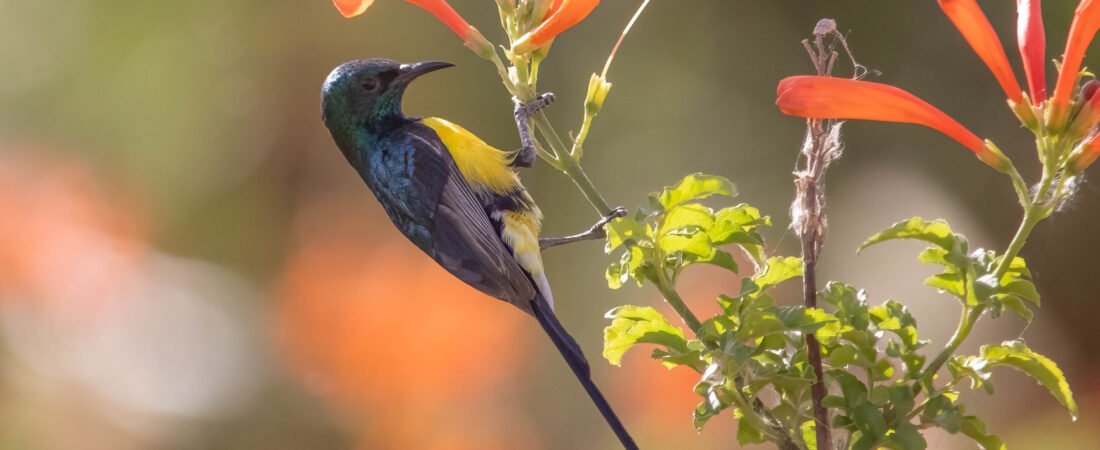
When birdwatchers think of Egypt, iconic species such as the Pharaoh Eagle-Owl or Egyptian Goose may come to mind. Yet among the gardens, palm groves, and flowering shrubs of Upper Egypt lives a tiny jewel that often steals the show—the Nile Valley Sunbird.
With its dazzling metallic colors, energetic behavior, and close association with flowering plants, the Nile Valley Sunbird is one of the most sought-after birds for visitors exploring Aswan. Whether you are an experienced birder or a casual nature enthusiast, this remarkable species is sure to leave a lasting impression.
Here are ten fascinating facts about the Nile Valley Sunbird.
1. It Is Found Almost Exclusively Along the Nile Valley
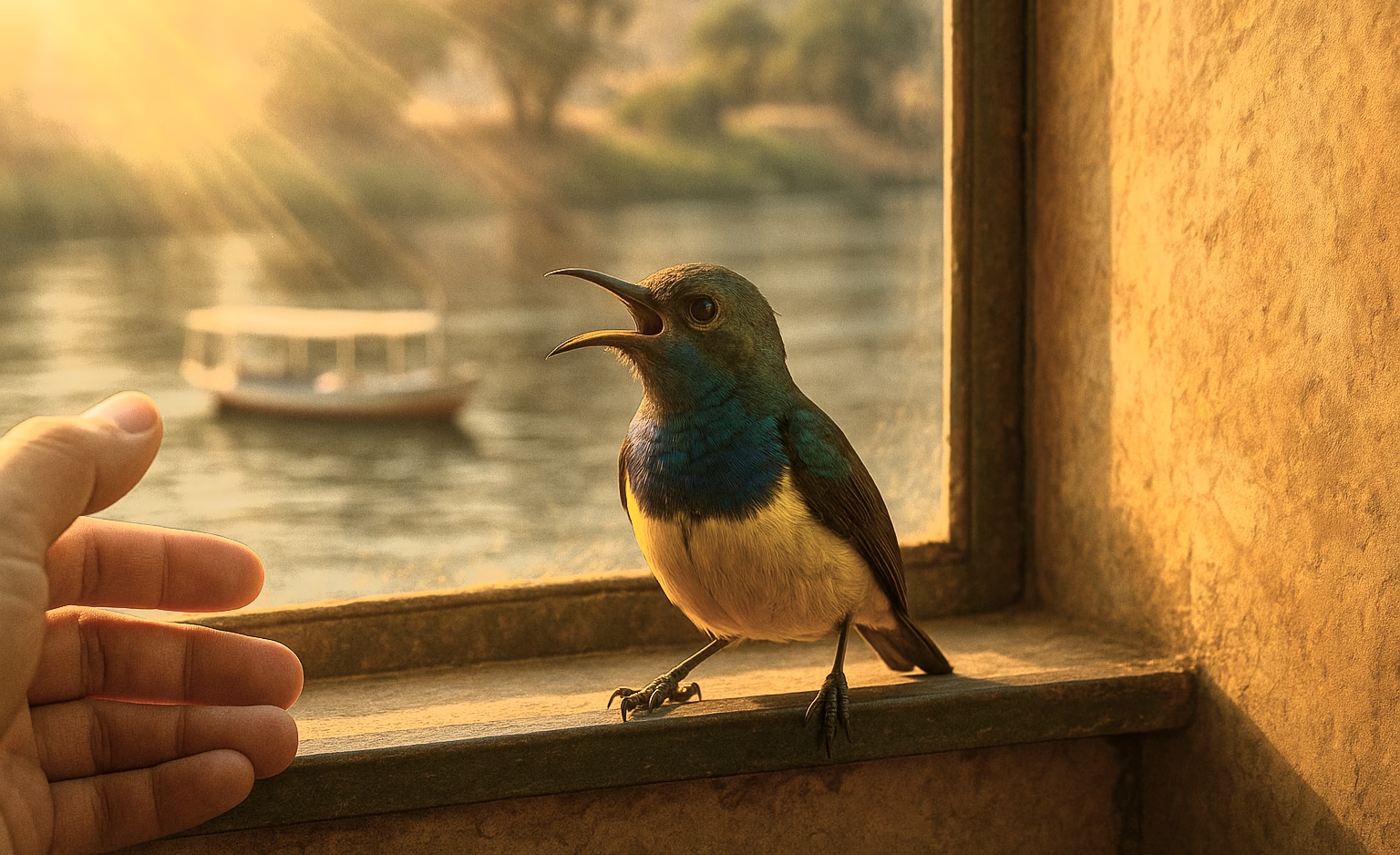
The Nile Valley Sunbird (Hedydipna metallica) has a remarkably restricted distribution in Egypt. Unlike many bird species that occur across the country, this sunbird is primarily confined to the Nile Valley, particularly in Upper Egypt.
Aswan is one of the best places in the world to observe this species, where it thrives in gardens, farms, hotel grounds, and river islands rich in flowering plants.
2. The Male Looks Like a Flying Gem
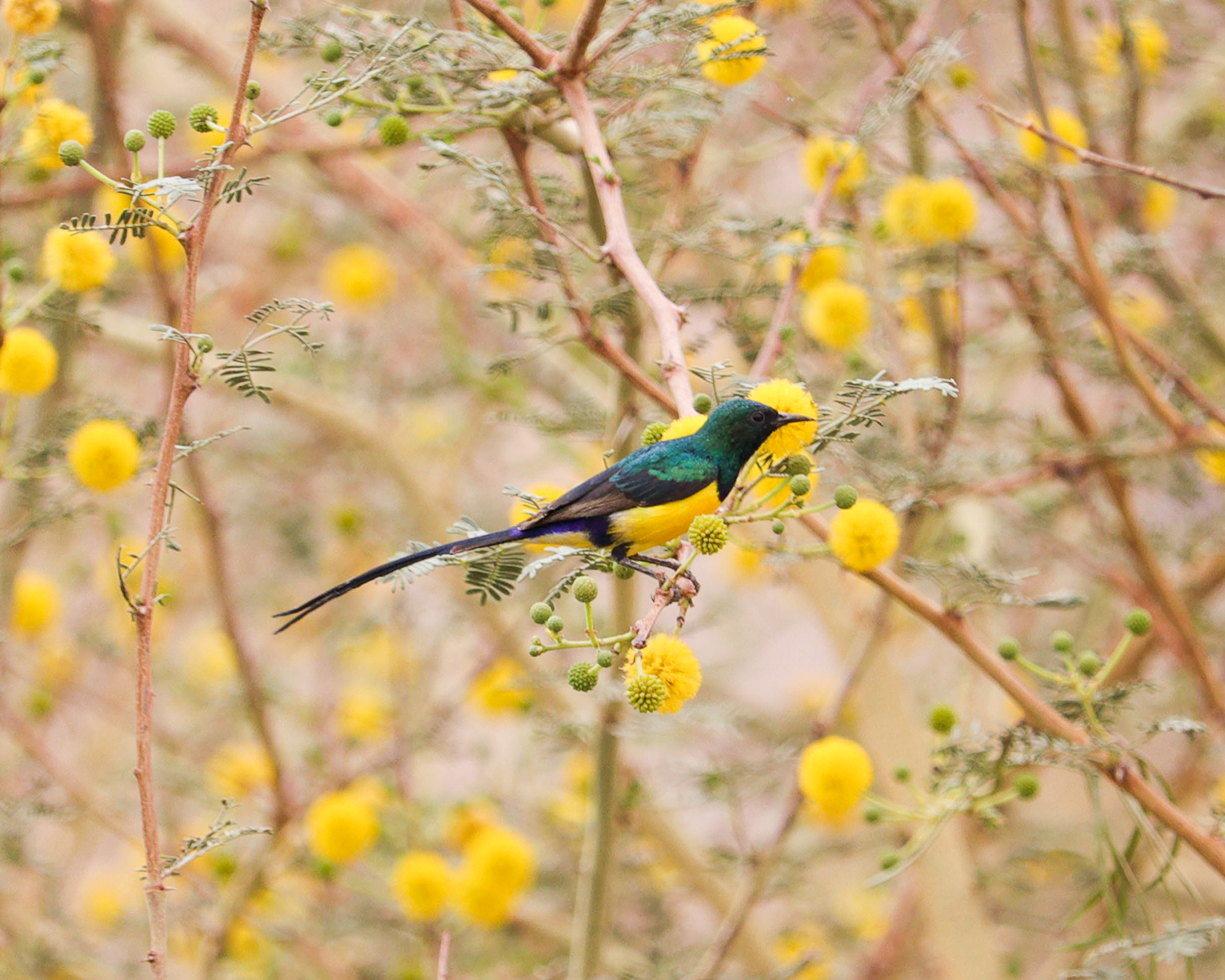
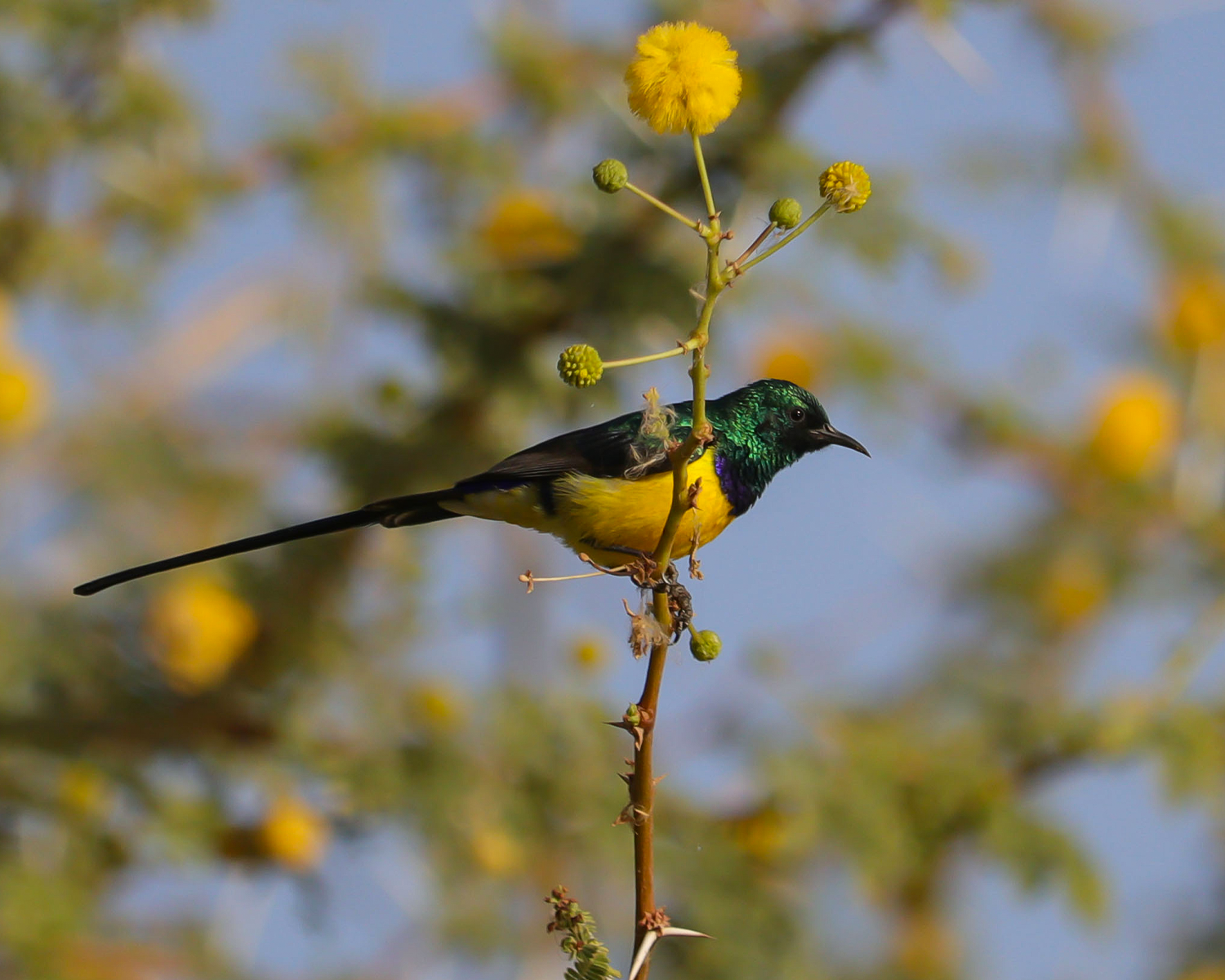
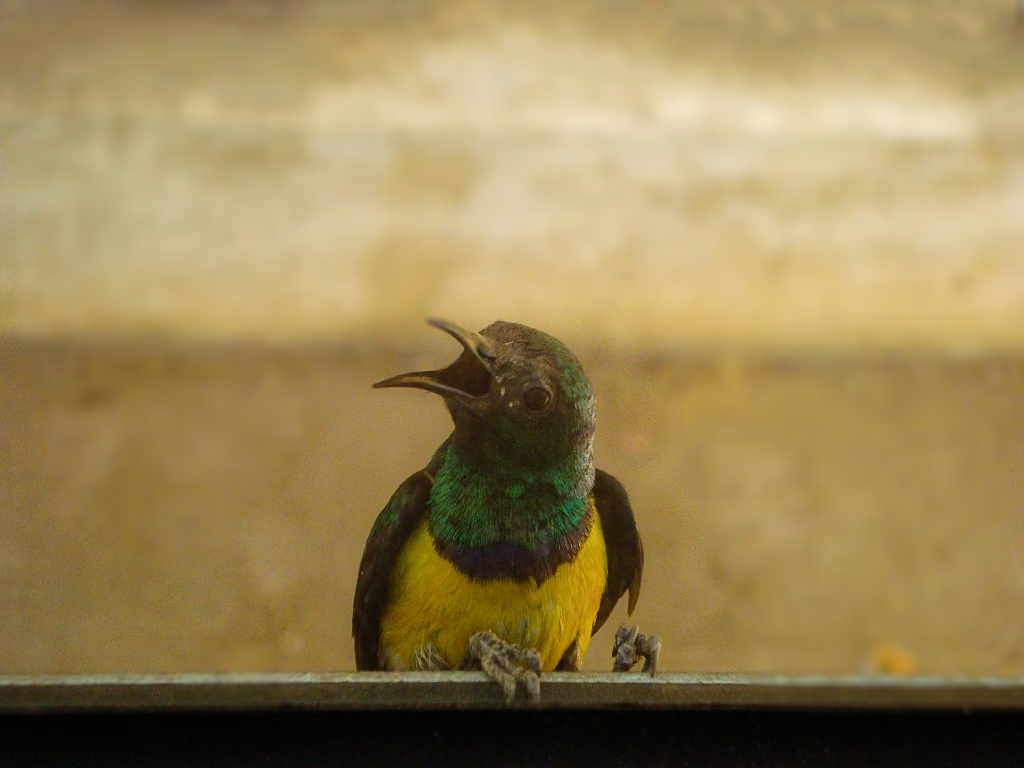
During the breeding season, male Nile Valley Sunbirds display stunning metallic plumage that shines with shades of emerald green, turquoise, purple, and deep blue depending on the angle of sunlight.
Their iridescent feathers create a dazzling effect that makes them one of the most colorful birds in Egypt. Many visitors compare them to tiny hummingbirds covered in precious jewels.
3. They Are Often Mistaken for Hummingbirds
Although they resemble hummingbirds in appearance and feeding behavior, Nile Valley Sunbirds are not closely related to them.
Hummingbirds are found only in the Americas, while sunbirds belong to a completely different bird family found in Africa and Asia. This is a classic example of convergent evolution, where unrelated animals develop similar adaptations to exploit the same food source.
4. They Feed Mainly on Nectar
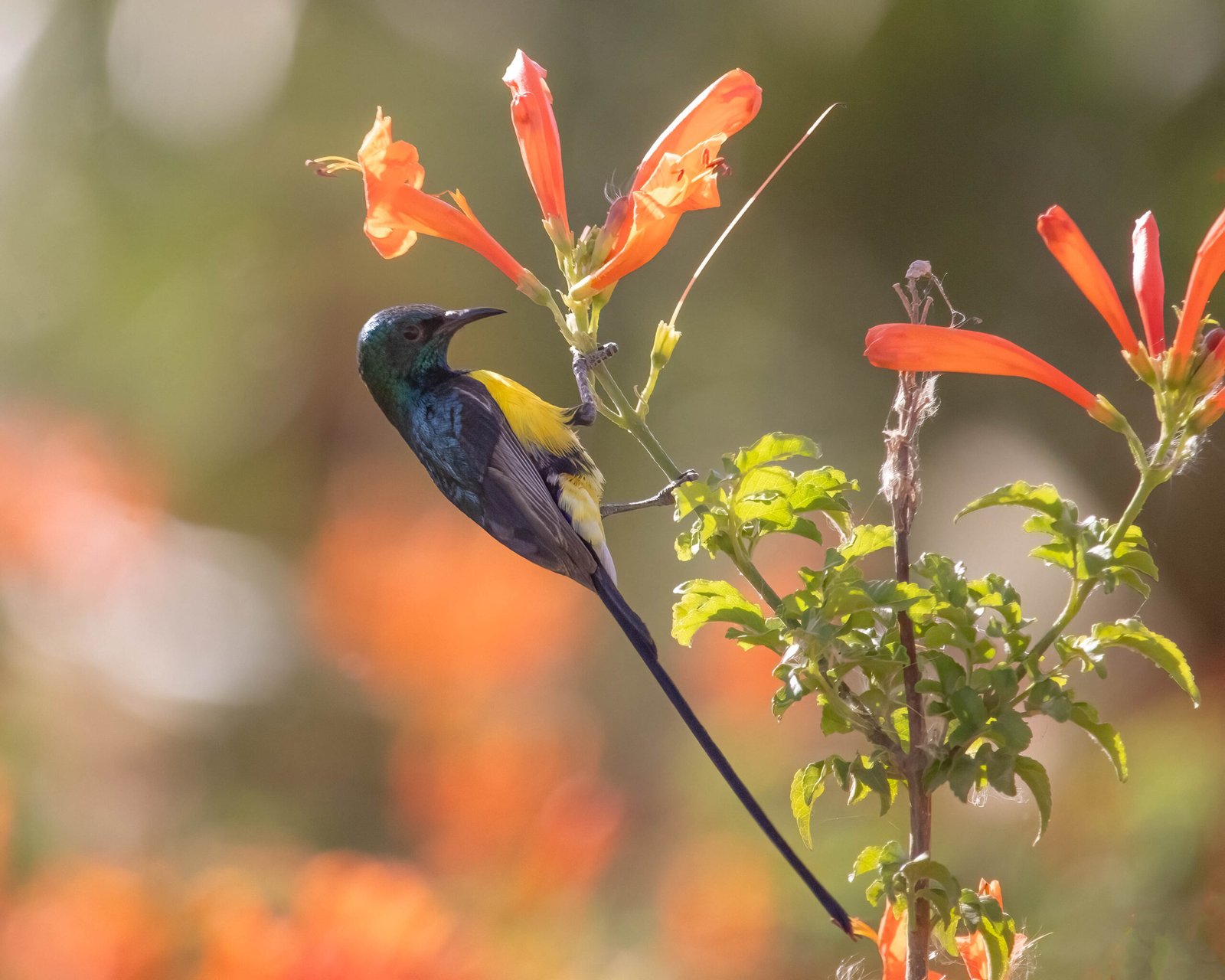
The Nile Valley Sunbird is specially adapted for feeding on nectar from flowers. Its long, curved bill allows it to reach deep inside blossoms to extract sugary nectar.
Some of their favorite flowering plants in Aswan include hibiscus, bougainvillea, bottlebrush, and various acacia species.
While feeding, they also help pollinate flowers, making them important contributors to local ecosystems.
5. Insects Are Essential to Their Diet
Although nectar provides energy, Nile Valley Sunbirds also consume a variety of small insects and spiders.
These protein-rich foods are particularly important during the breeding season, when adults need extra nutrients and must feed growing chicks.
Birdwatchers often observe them making quick aerial sallies to catch tiny insects among vegetation.
6. Females Have a Very Different Appearance
Unlike the brilliantly colored males, female Nile Valley Sunbirds are much more subdued in appearance.
They typically show olive-brown upperparts and pale yellow underparts, providing excellent camouflage while nesting.
This difference between males and females, known as sexual dimorphism, is common among many bird species.
7. Their Nests Are Tiny Architectural Masterpieces
The Nile Valley Sunbird constructs a remarkable hanging nest made from plant fibers, grass, spider webs, feathers, and other soft materials.
These delicate structures often resemble small pouches suspended from branches or shrubs. The entrance is usually located on one side, helping protect the eggs and chicks from predators and harsh weather.
Finding an active nest is always a highlight for birdwatchers in Aswan.
8. They Are Active Throughout the Year
Unlike many migratory birds that visit Egypt only seasonally, the Nile Valley Sunbird is a resident species.
It can be observed in Aswan throughout the year, making it a reliable target for birdwatchers regardless of the season.
Spring and early summer are particularly rewarding times to observe courtship displays and breeding activity.
9. Their Rapid Movements Make Photography Challenging
Despite being common in suitable habitats, Nile Valley Sunbirds can be surprisingly difficult to photograph.
They move constantly between flowers, often pausing for only a few seconds before darting to another feeding location.
Patience, a fast camera shutter speed, and early morning light are often the keys to capturing stunning images of these colorful birds.
10. Aswan Is One of the Best Places to See Them
Thanks to its warm climate and abundance of flowering vegetation, Aswan offers exceptional opportunities to observe Nile Valley Sunbirds.
Visitors frequently encounter them in botanical gardens, Nubian villages, hotel gardens, agricultural areas, and along the lush riverbanks of the Nile.
For many international birders, the Nile Valley Sunbird is one of the most memorable species of any birding trip to Egypt.
Where to See Nile Valley Sunbirds in Aswan
Some of the best locations include:
- Kitchener’s Island (Aswan Botanical Garden)
- Elephantine Island
- Nubian villages along the Nile
- Hotel gardens and landscaped resorts
- Agricultural fields around Aswan
- River islands visited during birdwatching boat trips
Early morning is generally the most productive time to observe their feeding activity.