Top 10 Resident Birds to Spot in Aswan
Aswan is a year-round birding paradise where the Nile’s lush banks meet desert landscapes, creating ideal habitats for a rich variety of resident species. Whether you’re exploring quiet islands, reedbeds, or open river shores, these are the top 10 resident birds you should look out for on your birdwatching trips in Aswan.
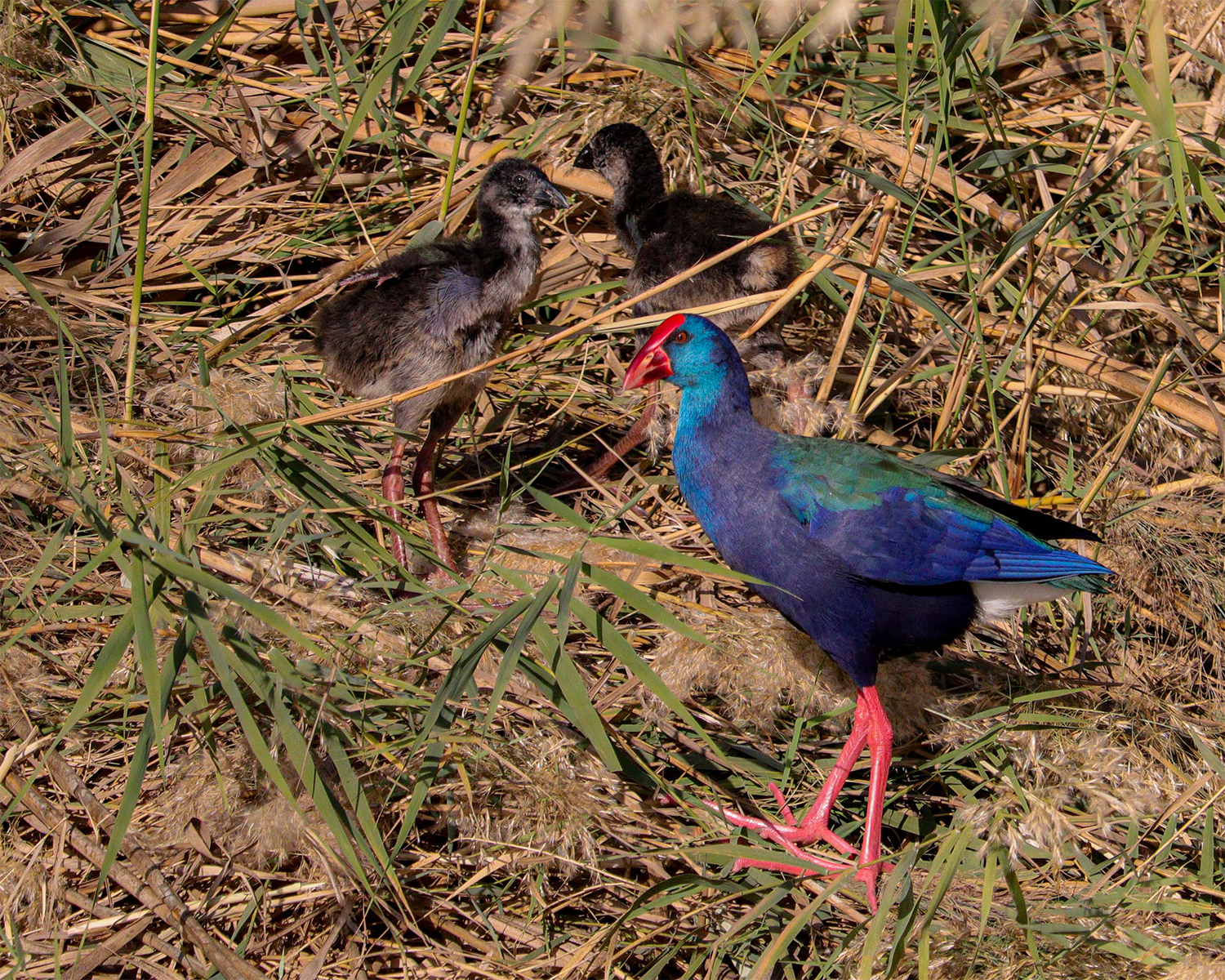
1. African Swamphen (Porphyrio madagascariensis)
A striking wetland bird with deep blue-purple plumage and a bright red bill. It’s often seen walking gracefully through reeds and marsh vegetation.
Size: About the size of a small chicken, roughly 17–20 inches long, noticeably bigger than a coot or moorhen. Likelihood: High — seen on most trips, often multiple individuals. Best time: Early morning, when they forage in the open before the heat sets in. Sound: A loud, harsh, trumpet-like call — you’ll often hear it from the reeds before you see it.
Read More: African Swamphen: The Colorful Queen of the Nile Reeds
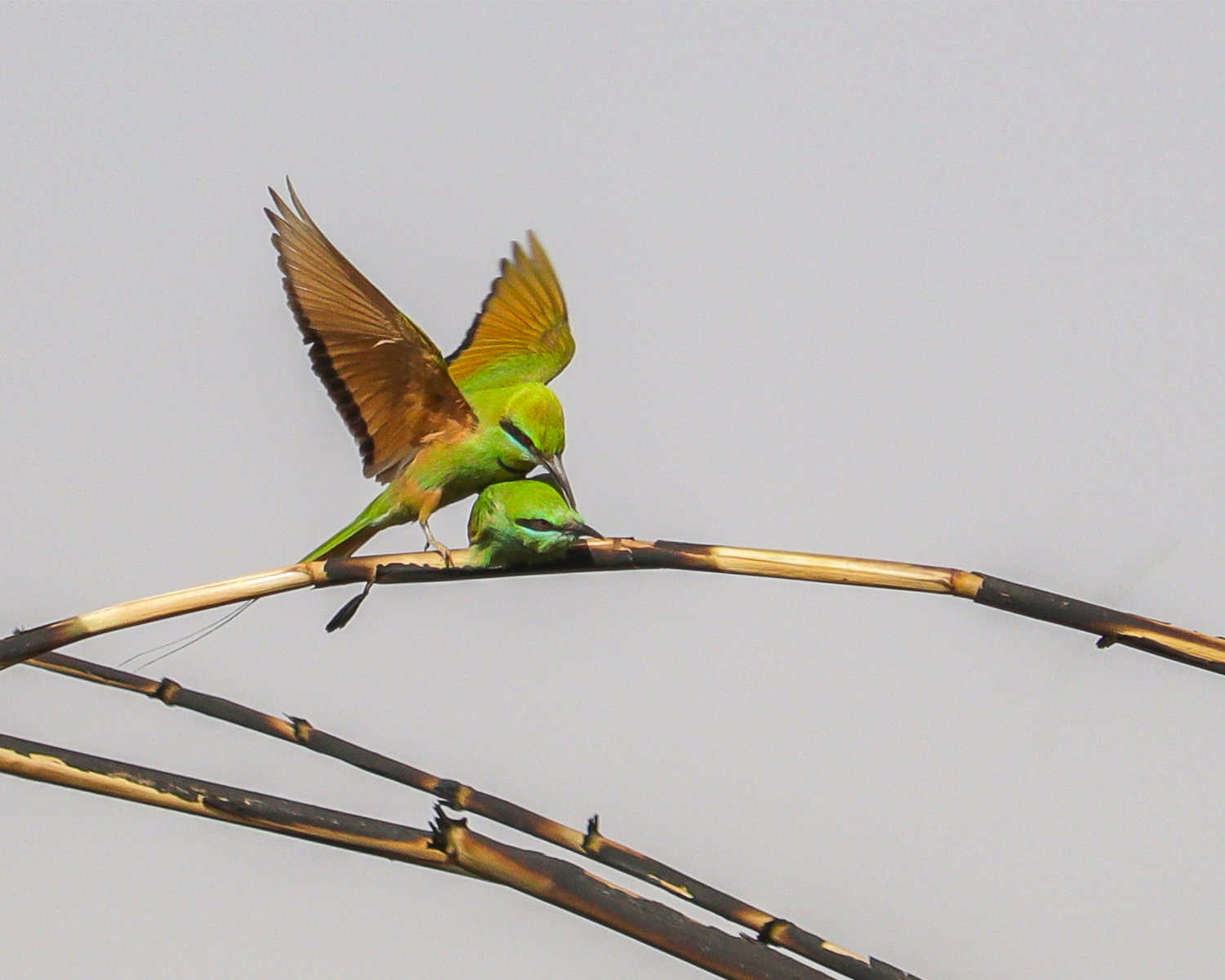
2. African Green Bee-eater (Merops viridissimus)
A vibrant green bird often seen perched in small groups, sallying out to catch flying insects in open areas and along the Nile.
Size: Small, about 9–10 inches including its long tail streamers, roughly Eastern Bluebird-sized in body. Likelihood: High — reliable on nearly every outing. Best time: Mid-morning, when insect activity picks up and the birds are actively hunting from perches. Sound: A soft, rolling “prrrrt” contact call, often given in flight.
Read More: 10 Fascinating Facts About the African Green Bee-eater
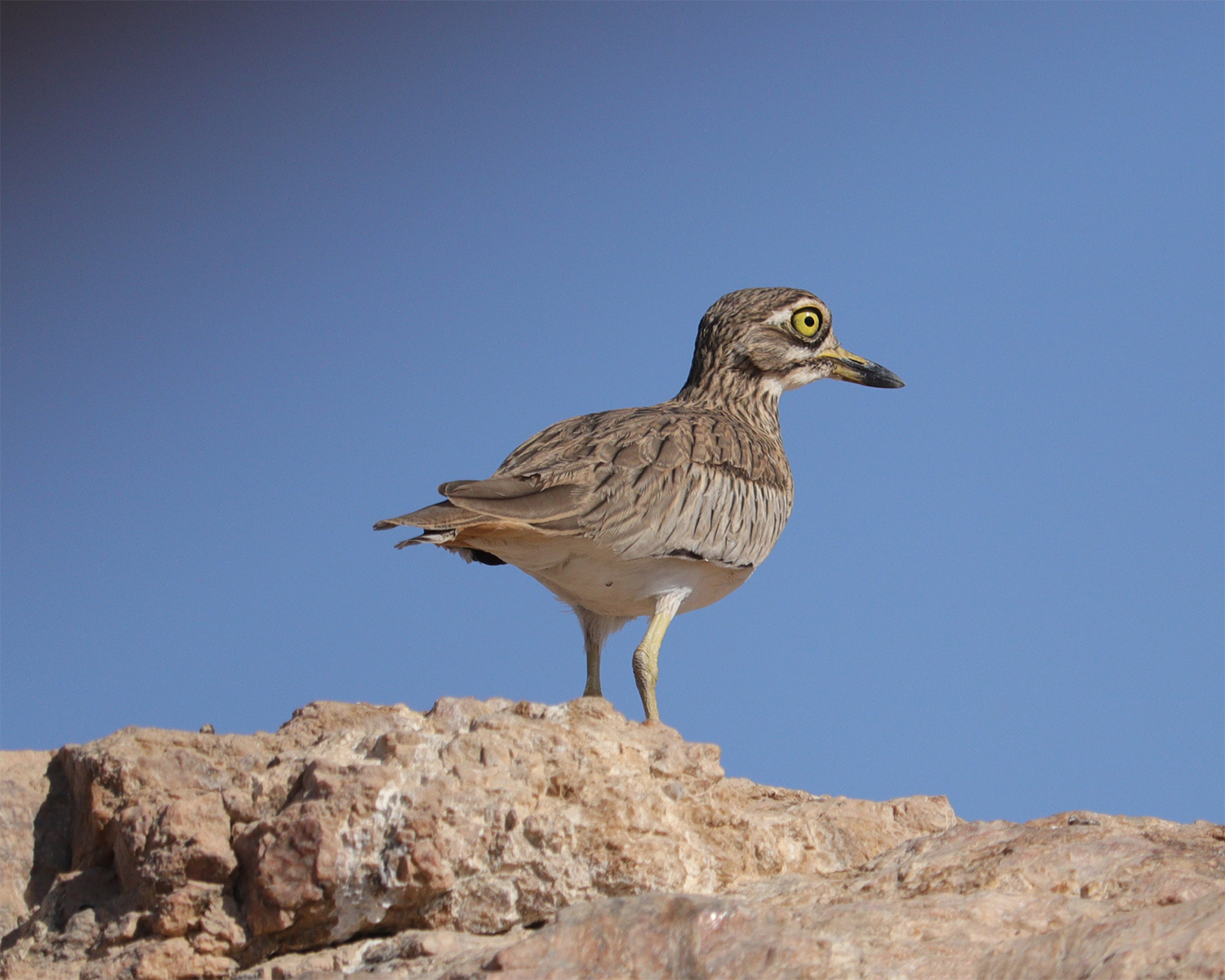
3. Senegal Thick-knee (Burhinus senegalensis)
A master of camouflage, usually found on sandy banks and islands. Most active at dusk and night, when its haunting calls echo along the Nile.
Size: Large for a shorebird — about 15–17 inches, similar in bulk to a Killdeer but taller-standing. Likelihood: Moderate to high — easy to overlook by day due to camouflage, but reliably heard at dusk. Best time: Late afternoon into dusk — this is genuinely a different bird experience at night than during the day. Sound: A wailing, almost eerie series of rising notes — one of the most memorable sounds on the Nile after dark.
Read More: 10 Amazing Facts About The Senegal Thick-knee
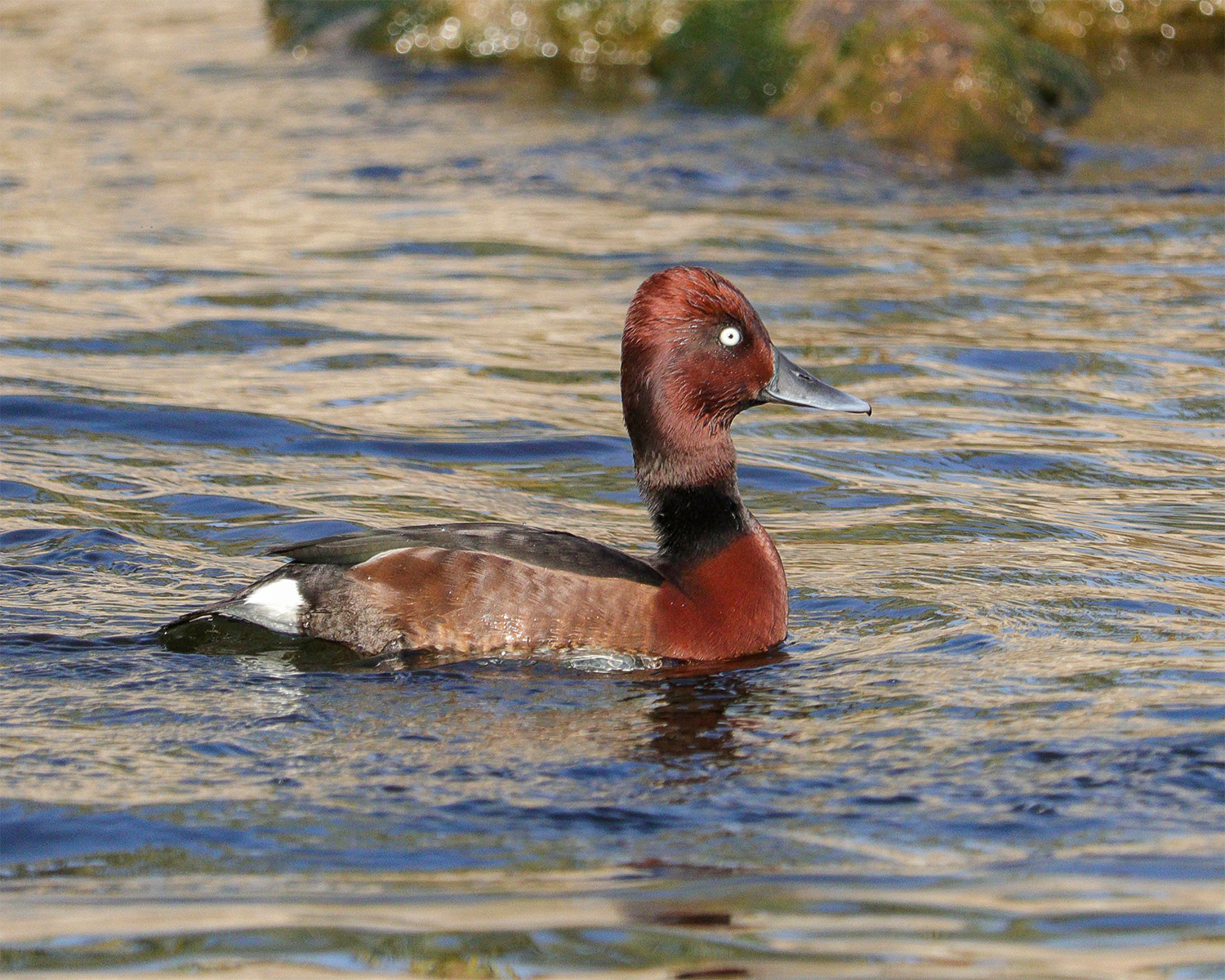
4. Ferruginous Duck (Aythya nyroca)
A globally Near-Threatened species and a real highlight in Aswan. Look for its rich chestnut color and pale eye in calm waters and lagoons.
Size: Medium diving duck — about 15–16 inches, similar in size to a Ring-necked Duck. Likelihood: Seasonal and moderate — most reliable in winter months (November–March) when numbers on the Nile increase; scarcer in summer. Best time: Winter mornings on calm backwater lagoons, away from boat traffic. Conservation note: This species is listed as Near Threatened by the IUCN due to wetland habitat loss across its range — seeing one in Aswan is a genuine conservation-minded highlight, not just a checklist item. A breeding record was even documented in an artificial wetland near Aswan, making the region scientifically significant for this species.
Read More: 10 Fascinating Facts About the Ferruginous Duck
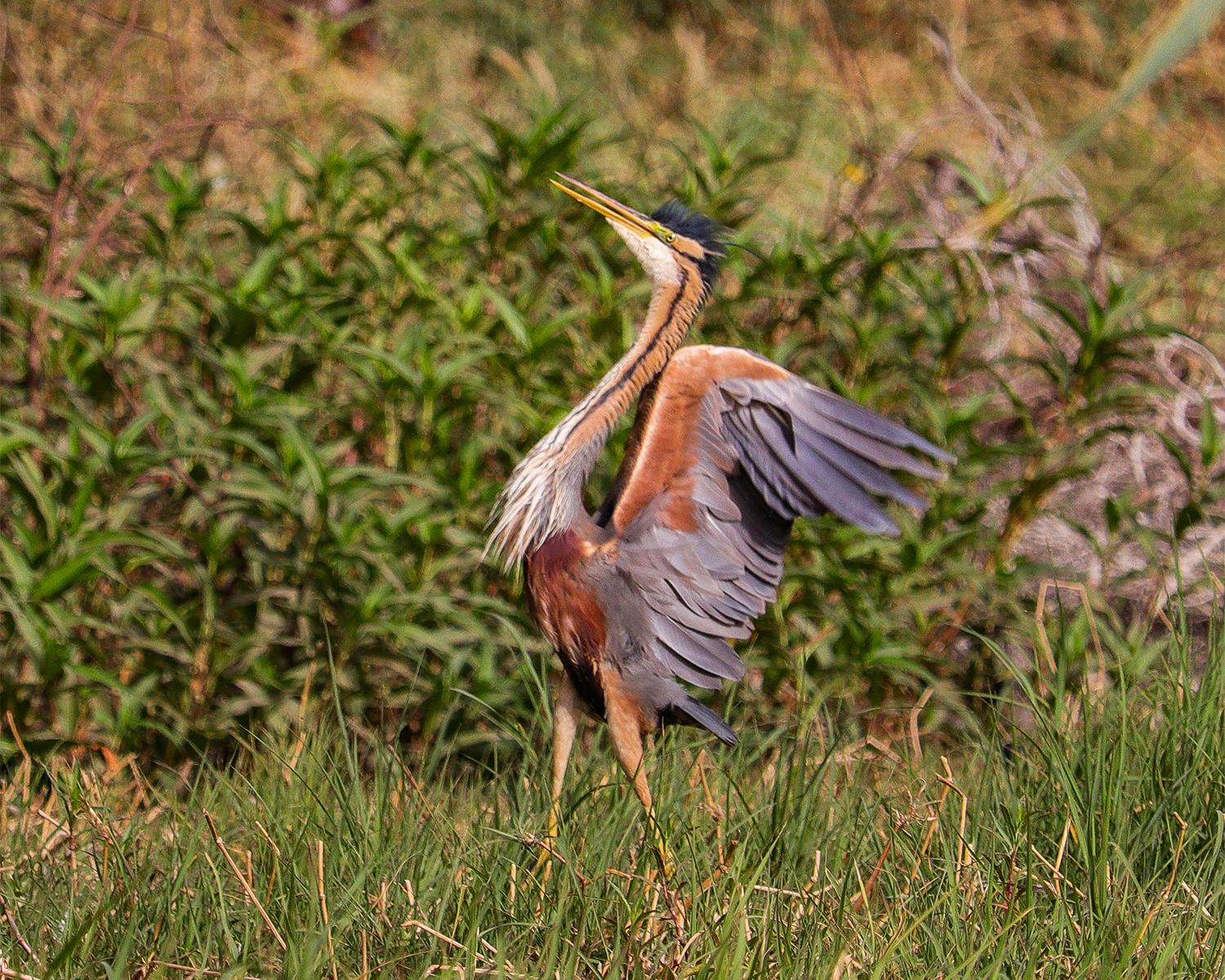
5. Purple Heron (Ardea purpurea)
A tall and elegant heron of reedbeds, known for its slender shape and slow, stealthy movements while hunting.
Size: Large — about 31–36 inches tall, slightly smaller and noticeably slimmer than a Great Blue Heron. Likelihood: High — a near-guaranteed sighting on any Nile trip. Best time: Early morning or late afternoon, when hunting activity peaks. Sound: A harsh, croaking “frank” call, usually given in flight.
Read More: 10 Incredible Facts About The Purple Heron
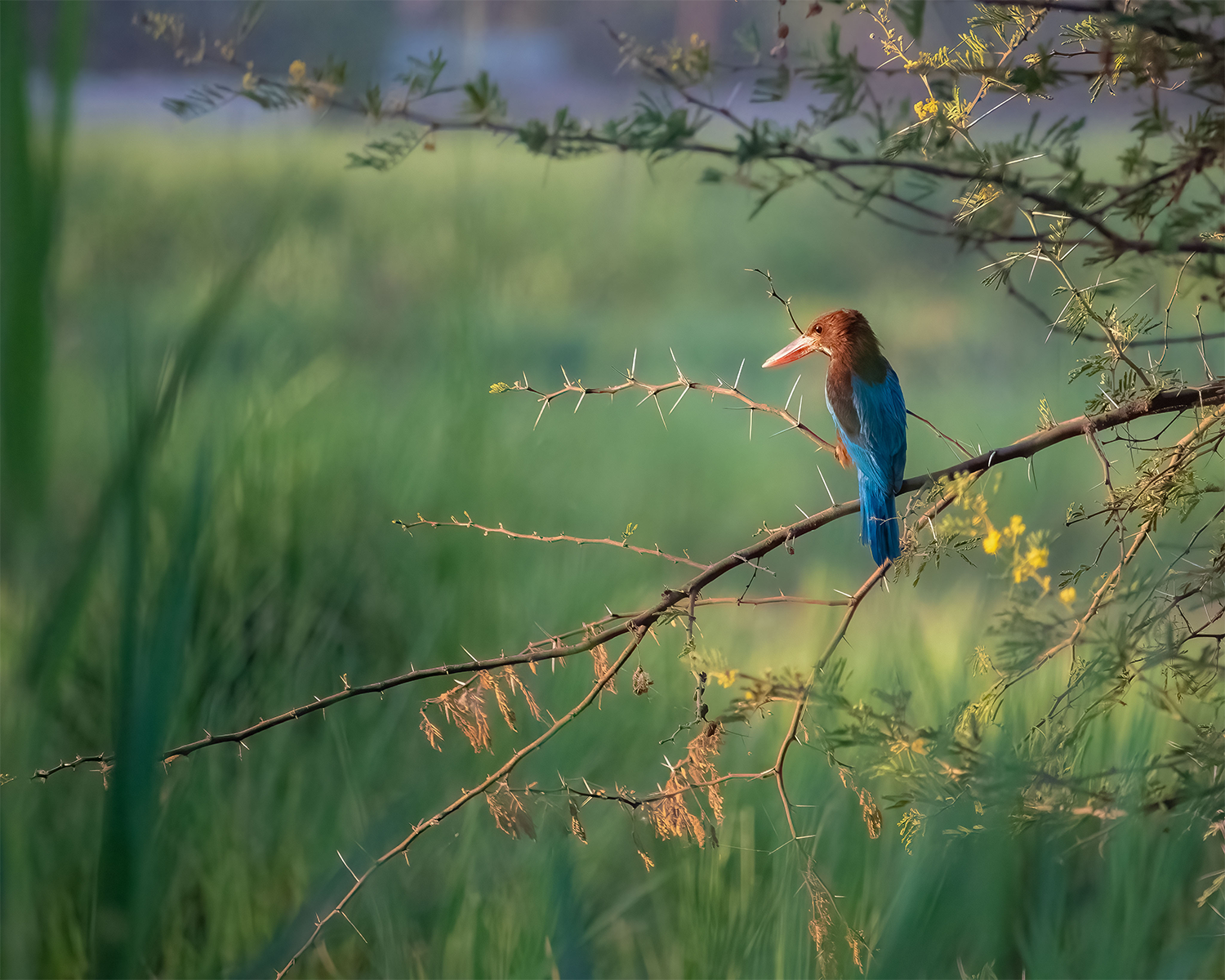
6. White-throated Kingfisher (Halcyon smyrnensis)
One of the most colorful birds in Aswan, with bright blue wings, a rich brown body, and a white throat. Often seen perched prominently before diving for prey.
Size: Larger than you’d expect — about 11 inches, noticeably bigger than a Belted Kingfisher. Likelihood: High — usually spotted perched on wires or branches along the riverbank. Best time: Any time of day; especially active and vocal in early morning. Sound: A loud, laughing trill — one of the most distinctive calls on the Nile, often heard before the bird is spotted.
Read More: White-throated Kingfisher: The Blue Jewel of Aswan
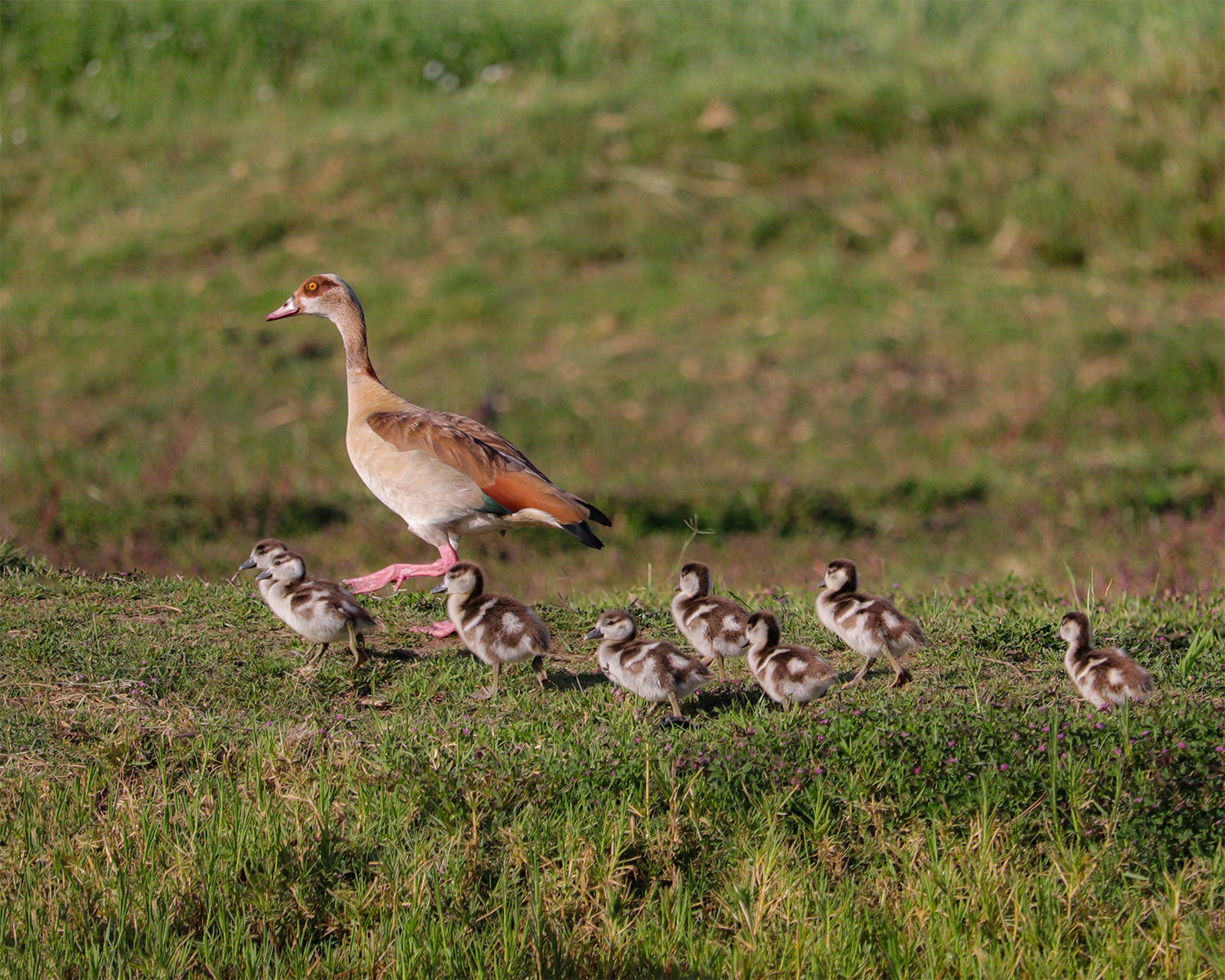
7. Egyptian Goose (Alopochen aegyptiaca)
A familiar and iconic species along the Nile, with a distinctive appearance and strong connection to ancient Egyptian culture.
Size: Large — about 25–29 inches, comparable to a Canada Goose. Likelihood: Very high — one of the most conspicuous birds in Aswan, often in pairs or family groups. Best time: Any time of day; frequently seen resting on riverbanks and sandbars. Sound: A loud, hoarse honking, more raucous than a typical goose call.
Read More: The Egyptian Goose: Pharaoh’s Bird on the Modern Nile
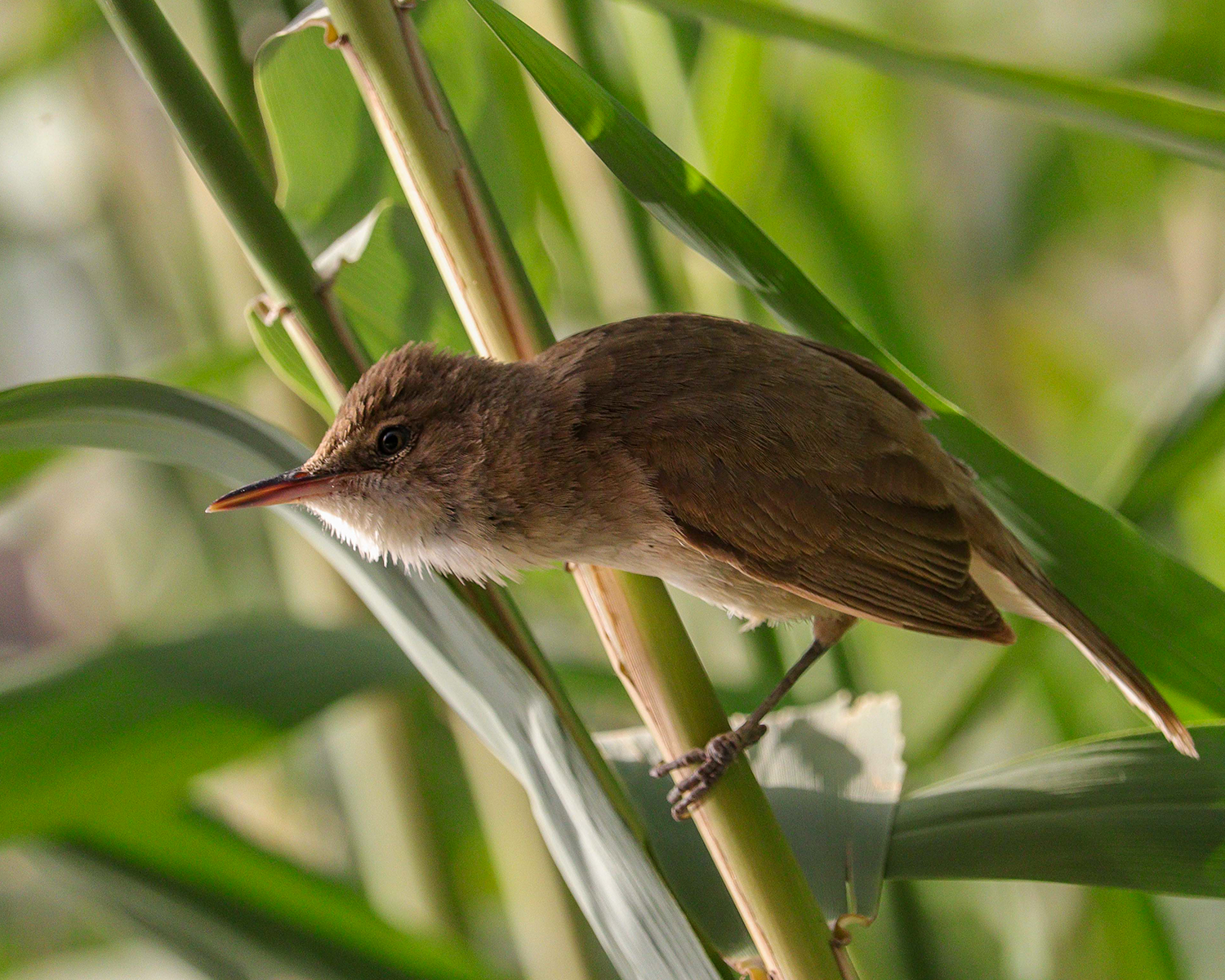
8. Clamorous Reed Warbler (Acrocephalus stentoreus)
A loud and active bird of reedbeds, more often heard than seen. Its powerful song is a familiar sound along the Nile’s vegetated edges.
Size: Small — about 7 inches, similar in build to a Marsh Wren but notably louder. Likelihood: High as a heard bird, moderate for a clear visual — patience pays off here. Best time: Early morning, when singing activity is at its peak. Sound: A loud, harsh, repetitive chattering song — genuinely one of the loudest sounds for a bird this size, hence the name “clamorous.”
Read More: 10 facts about clamorous reed warbler
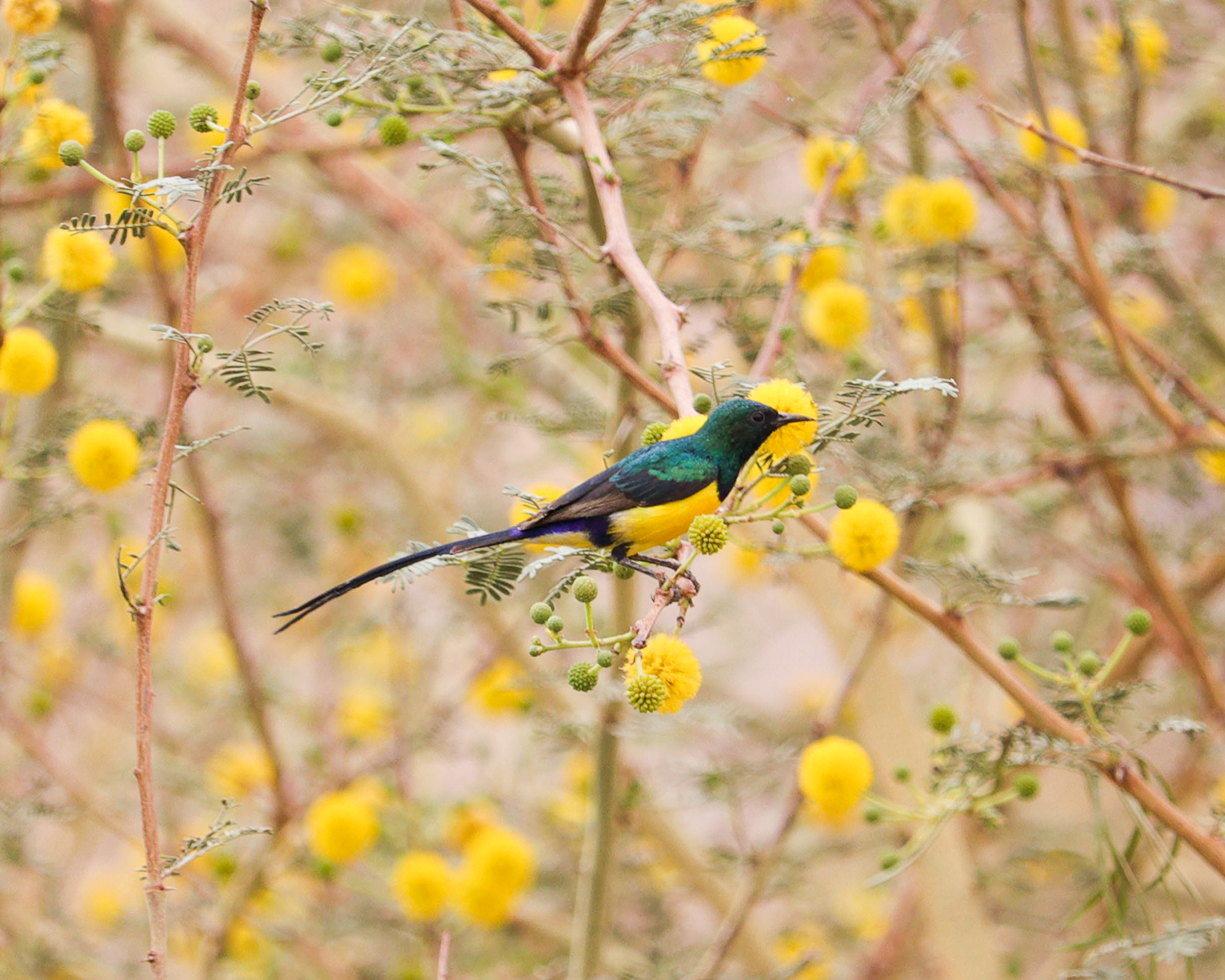
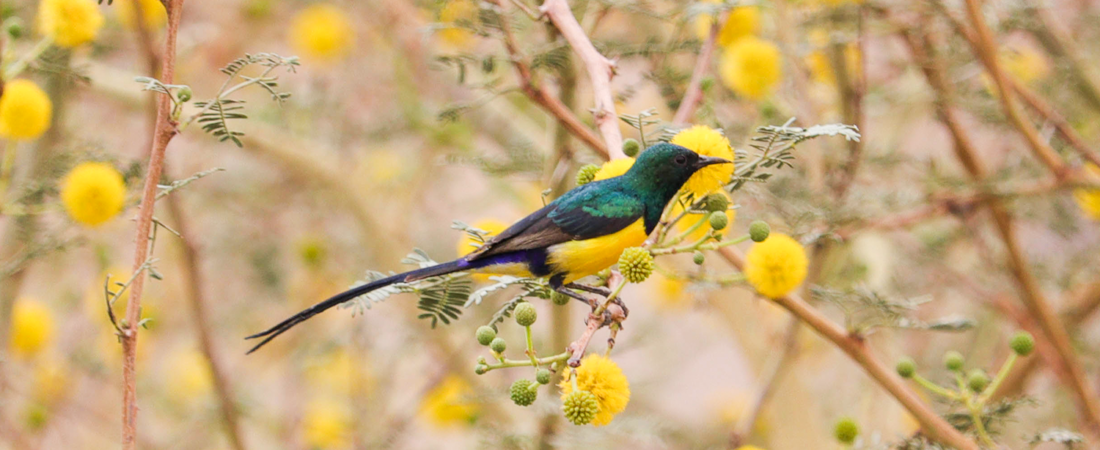
A tiny, shimmering bird commonly seen in gardens and along the river. Males display brilliant metallic colors while feeding on nectar.
Size: Tiny — about 4 inches, close to a hummingbird in scale though not closely related. Likelihood: High — regularly seen in flowering trees and gardens along the corniche. Best time: Morning, when flowers are freshly open and nectar flow is highest. Sound: A thin, high-pitched twittering, easy to miss unless you’re listening for it.
Read More: 10 Facts About Nile Valley Sunbird
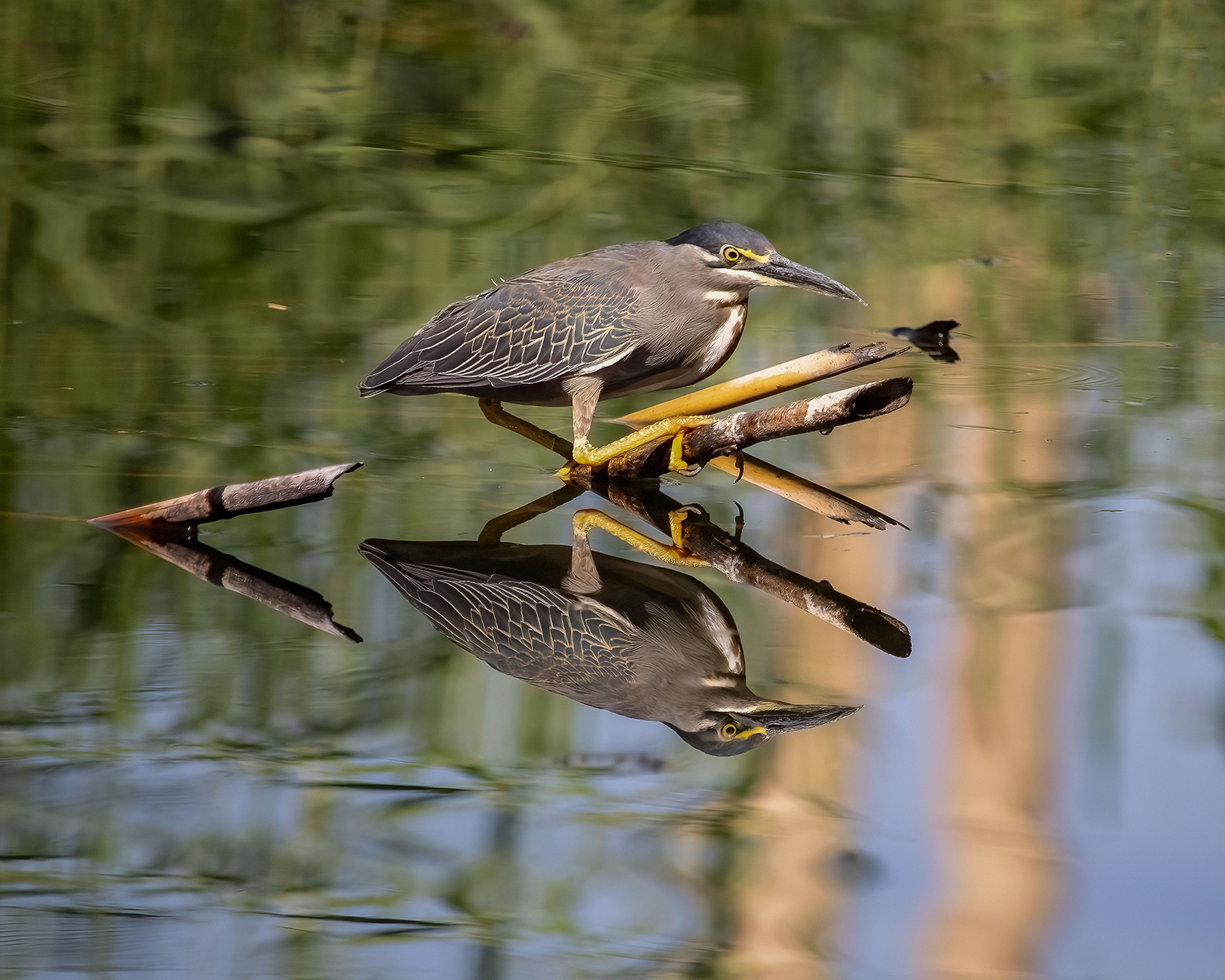
10. Little Heron (Butorides striata)
A quiet and patient hunter, usually spotted at the water’s edge. Its subtle plumage helps it blend perfectly into rocks and reeds.
Size: Small, about 16 inches, notably smaller and more compact than a Green Heron. Likelihood: Moderate — requires a careful eye, as its camouflage is excellent. Best time: Early morning or dusk, when it hunts most actively at the water’s edge. Sound: A sharp “skeow” alarm call when flushed, otherwise largely silent.
Read More: The Little Heron: Nile’s Most Underrated Hunter

Can I really see all 10 in one trip?
Most of these species overlap in the same Nile habitats around Aswan — reedbeds, islands, and open river shores — which means a single well-timed morning boat trip can realistically produce 7 or more of these 10 species. The Ferruginous Duck is the seasonal exception, most reliable in winter, and the Little Heron and Senegal Thick-knee reward a patient, quiet approach.
Our guided Nile trips are built around exactly this kind of species-rich itinerary — [see our Classic Nile Birding Trip →]