Top 3 Birding Apps Every Birder Should Have on Their Phone
Birdwatching has changed dramatically over the last decade. Today, your smartphone can act as a field guide, sound recorder, migration tracker, notebook, and even a global birding community — all from your pocket.
Whether you are a beginner discovering your first lifer or an experienced birder chasing rarities, the right apps can completely transform your birding experience.
Here are five essential birding apps that deserve a permanent spot on every birder’s phone.
1. Merlin Bird ID
If there is one app every birder should download first, it is Merlin Bird ID. Developed by the Cornell Lab of Ornithology, Merlin has become the gold standard for bird identification worldwide.
What makes Merlin special is its simplicity. You can identify birds in several ways:
- Upload a photo
- Answer a few simple identification questions
- Use the incredible Sound ID feature to identify birds by their songs and calls in real time
The Sound ID tool feels almost magical during dawn choruses or migration mornings. Simply point your phone toward the soundscape, and Merlin begins detecting species instantly.
Why birders love it:
- Completely free
- Works offline after downloading regional bird packs
- Excellent for beginners and advanced birders alike
- Covers thousands of species worldwide
Best for:
Bird identification by sound, photo, and field marks.

2. eBird
Birding is more rewarding when your observations contribute to science, and that is exactly what eBird does. Also created by the Cornell Lab of Ornithology, eBird is the world’s largest citizen-science database for birds.
With eBird, you can:
- Log your sightings
- Build life lists
- Track personal birding statistics
- Discover birding hotspots nearby
- See recent sightings from other birders
Planning a birding trip becomes much easier when you can check which species were recently reported in an area.
Many experienced birders use Merlin and eBird together — Merlin for identification and eBird for logging observations. This combination is widely recommended by the birding community.
Best for:
Keeping checklists, finding hotspots, and tracking your birding life.
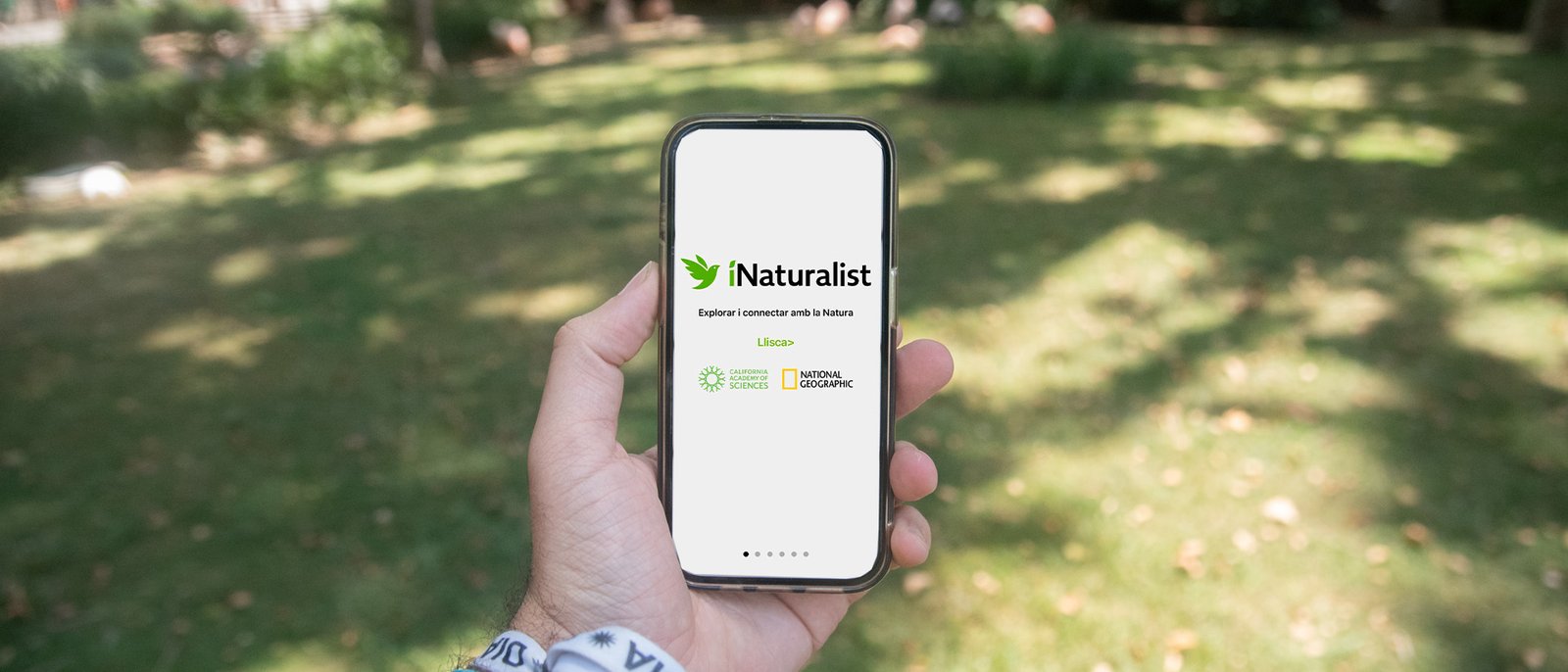
3. iNaturalist
Sometimes birding leads you into a much bigger world of nature. That is where iNaturalist shines. Instead of focusing only on birds, iNaturalist helps identify plants, insects, reptiles, fungi, mammals, and more.
The app combines AI suggestions with a massive community of naturalists who help confirm identifications. It is particularly useful when you photograph a difficult species and want expert opinions from the community.
Many birders use iNaturalist alongside eBird because it allows richer photo documentation and broader biodiversity recording.
Great features:
- Community-assisted identification
- Excellent photo documentation
- Useful for all wildlife, not just birds
- Contributes to biodiversity research
Best for:
Nature lovers who want to document entire ecosystems, not only birds.