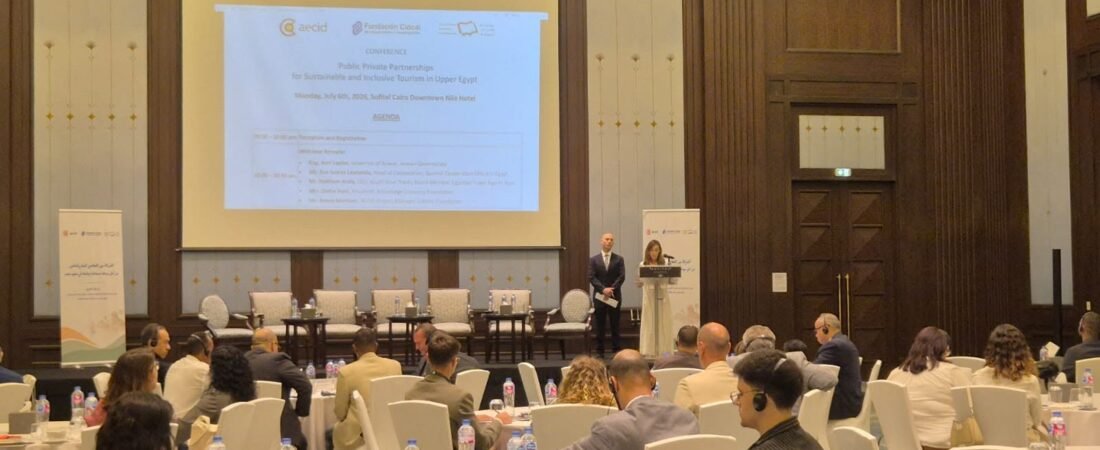
As tourism in Upper Egypt continues to evolve, sustainable and nature-based experiences are becoming an increasingly important part of the region’s future. Bringing together government representatives, tourism experts, development organizations, and entrepreneurs, the “Public-Private Partnerships for Sustainable and Inclusive Tourism in Upper Egypt” conference provided a valuable platform to discuss new opportunities for responsible tourism. Aswan Birdwatching was proud to participate, showcasing the potential of birdwatching to support conservation, local communities, and sustainable economic growth.
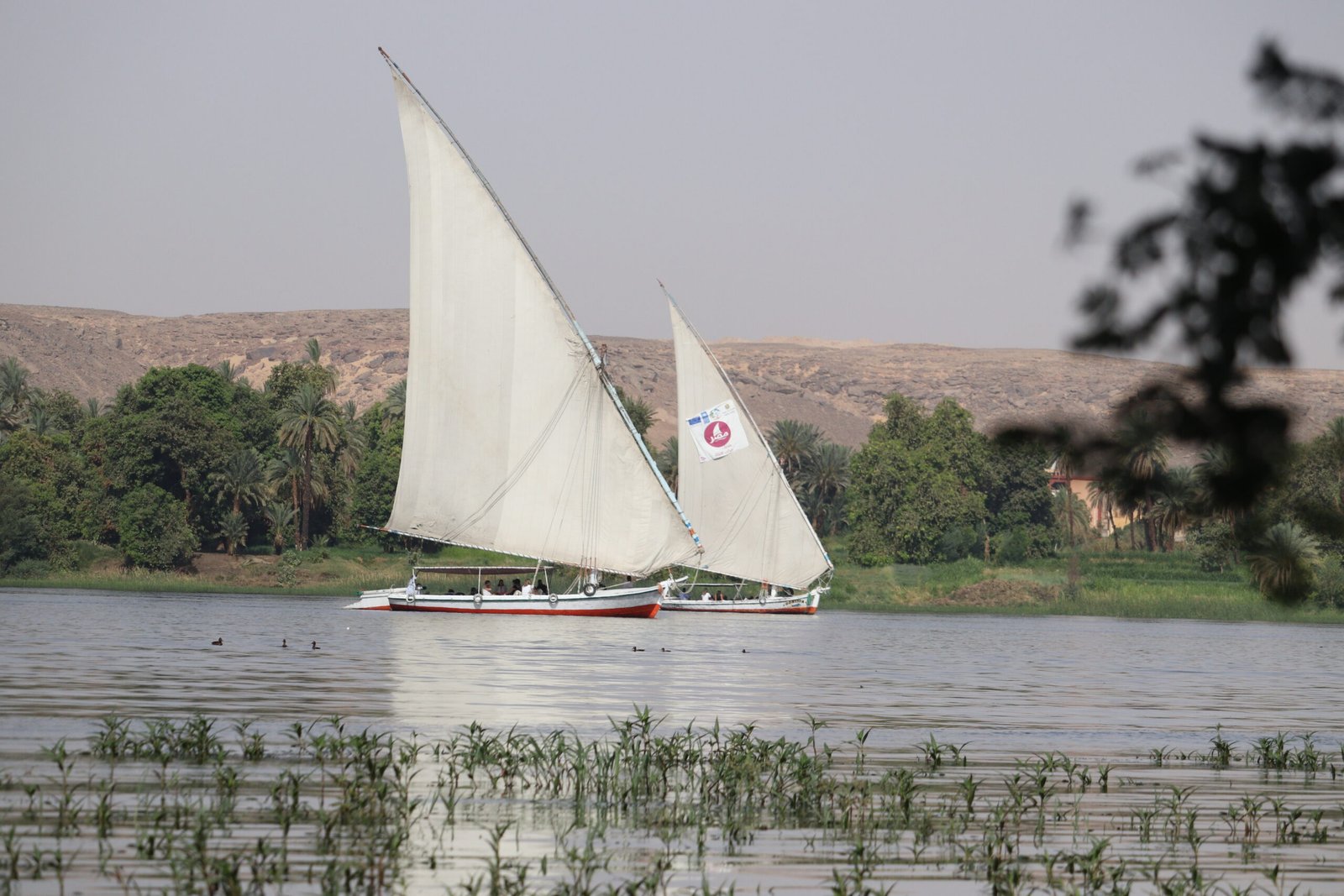
Beyond its iconic temples and ancient monuments, Aswan is home to one of Egypt’s richest natural landscapes. The Nile, its islands, wetlands, and the vast waters of Lake Nasser provide sanctuary for hundreds of resident and migratory bird species, making the region a premier destination for birdwatching and wildlife tourism. This remarkable biodiversity is not only a source of national pride but also a valuable asset that can help shape a more sustainable and diversified tourism industry.
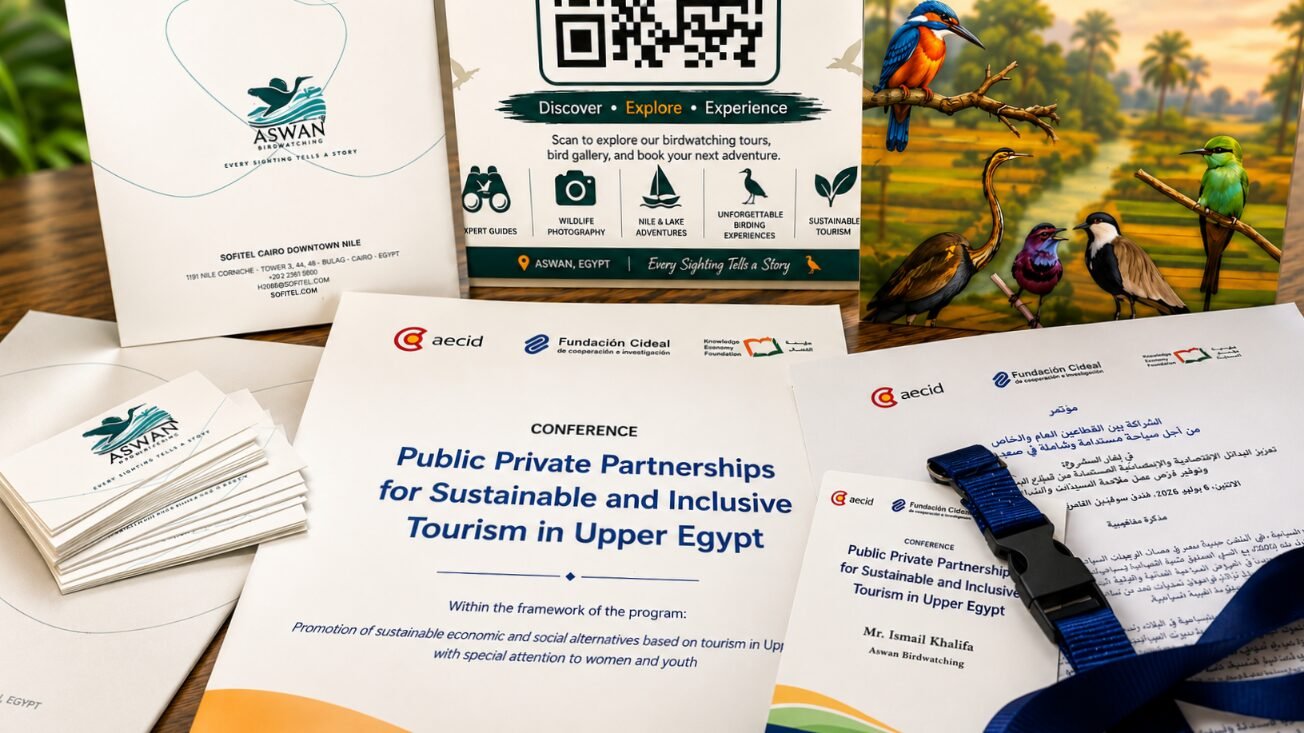
This vision was at the heart of the “Public-Private Partnerships for Sustainable and Inclusive Tourism in Upper Egypt” conference, held on 6 July 2026 at the Sofitel Cairo Downtown Nile Hotel. The event was organized by the Knowledge Economy Foundation, Fundación Cideal, and the Spanish Agency for International Development Cooperation (AECID), bringing together government representatives, tourism experts, development organizations, entrepreneurs, and community leaders to discuss the future of tourism in Luxor and Aswan.
Aswan Birdwatching was proud to participate in this important event, representing the growing role of birdwatching and nature-based tourism in creating a more diverse and sustainable tourism sector in Upper Egypt.
Building a More Inclusive Tourism Economy
Egypt has set an ambitious goal of welcoming 30 million visitors annually by 2030. While Luxor and Aswan remain among the country’s most important cultural destinations, much of the tourism economy continues to revolve around archaeological sites and Nile cruises.
The conference explored how tourism can become more inclusive by creating new opportunities for local communities, women, young entrepreneurs, and small businesses. Rather than focusing solely on cultural heritage, participants discussed ways to expand tourism through experiences that celebrate local traditions, nature, agriculture, handicrafts, gastronomy, and community-based initiatives.
The objective was clear: transform sustainable tourism from an idea into practical partnerships capable of generating real economic opportunities across Upper Egypt.
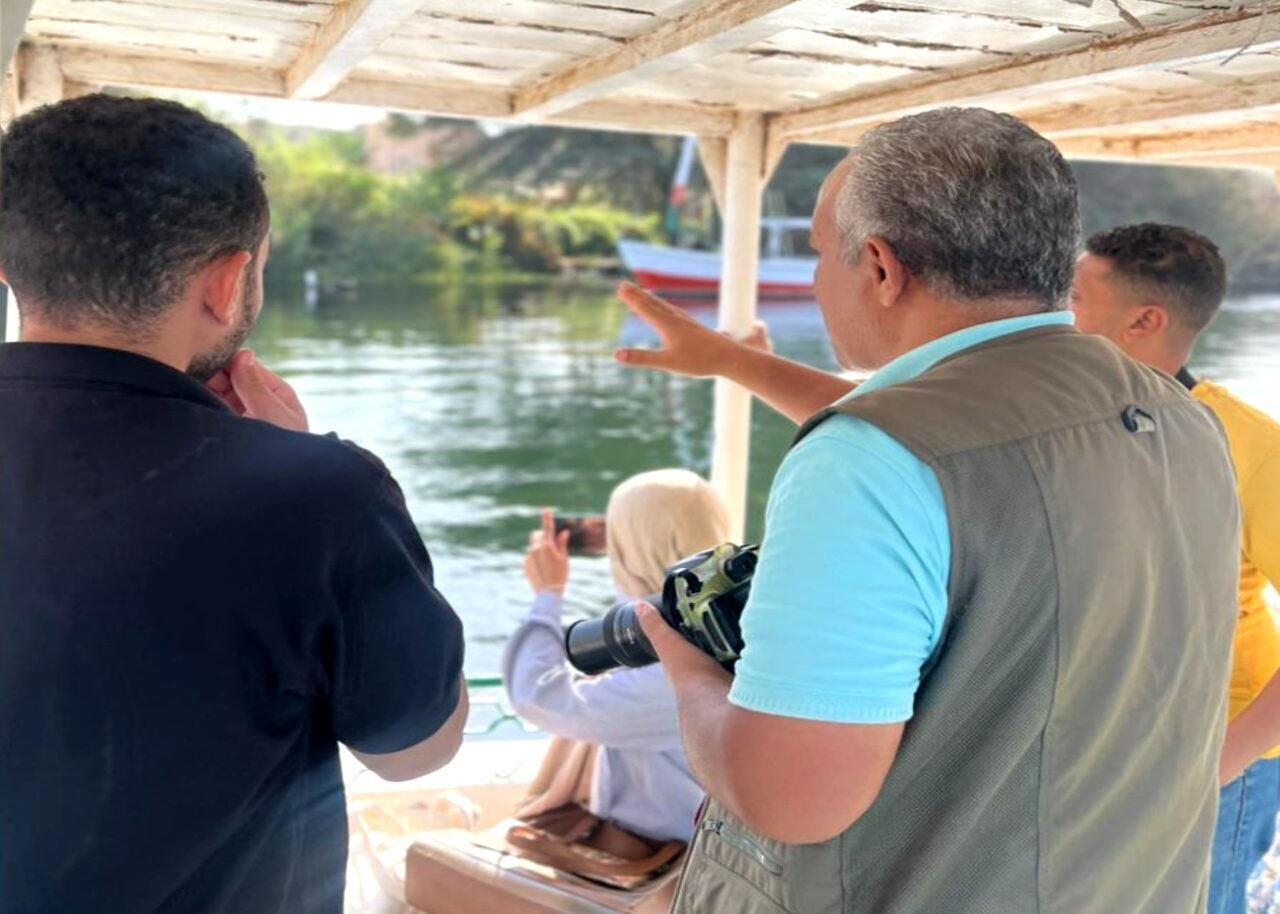
Why Birdwatching Matters
Birdwatching is one of the fastest-growing forms of nature tourism worldwide, and Aswan is uniquely positioned to benefit from this trend.
Located along one of the world’s most important migratory flyways between Africa and Eurasia, Aswan hosts hundreds of resident and migratory bird species every year. The River Nile, Lake Nasser, islands, wetlands, and desert habitats create exceptional birding opportunities throughout the seasons.
For birdwatchers, photographers, and wildlife enthusiasts, Aswan offers experiences that cannot easily be found elsewhere in Egypt.
At the conference, discussions on ecotourism highlighted how destinations can diversify their tourism products while protecting biodiversity and supporting local livelihoods. Spanish experts shared successful experiences in protected-area management, rural tourism, and community-based ecotourism—approaches that closely align with the philosophy behind Aswan Birdwatching.
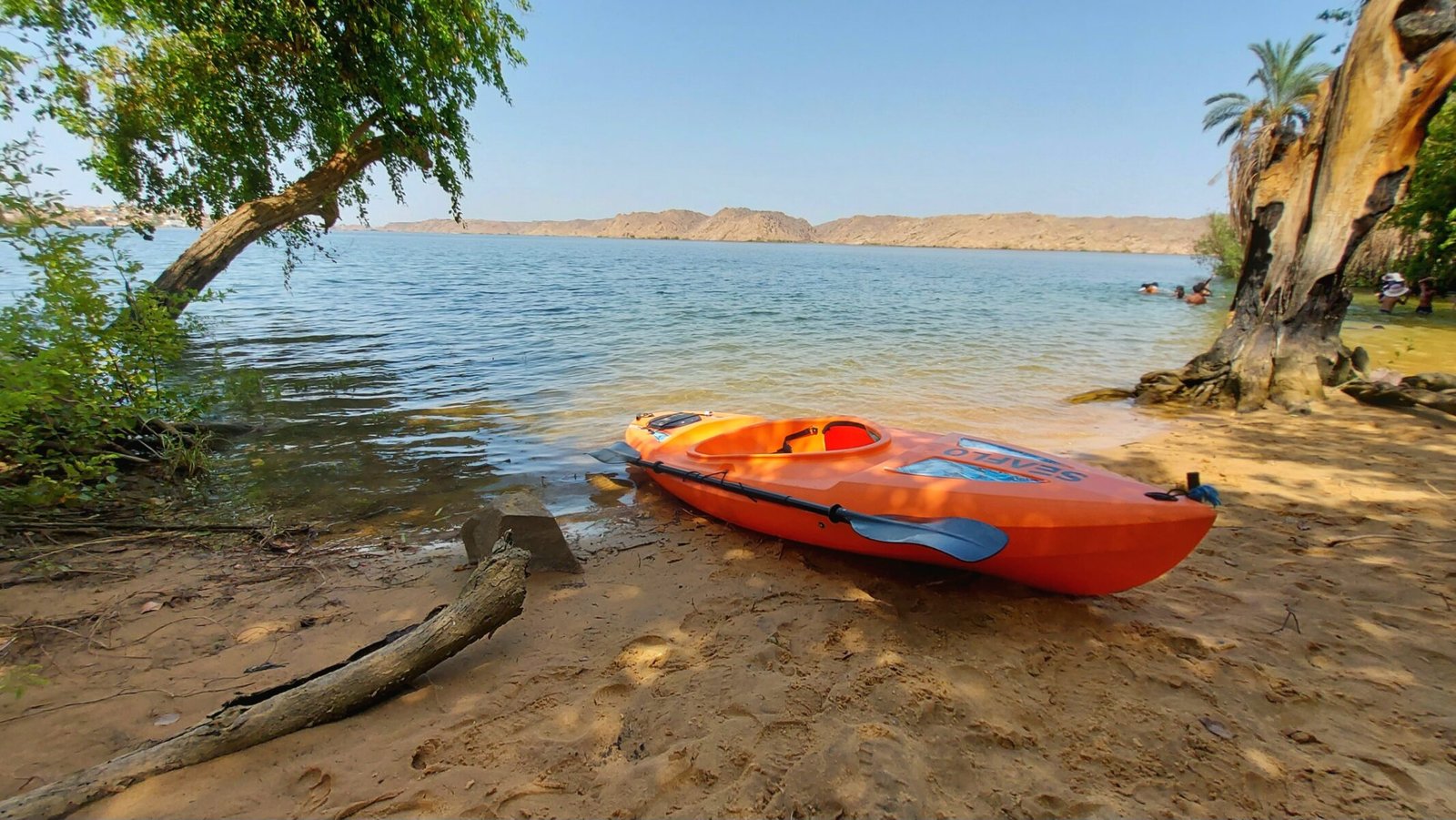
Creating Opportunities Through Nature-Based Tourism
One of the conference’s most relevant sessions focused on developing eco-lodges, community-based tourism, and sustainable tourism businesses throughout Upper Egypt.
These initiatives are essential for the future of birdwatching tourism. Successful birding destinations depend not only on exceptional wildlife but also on knowledgeable local guides, responsible boat operators, eco-friendly accommodation, and communities that benefit directly from protecting their natural environment.
For small initiatives like Aswan Birdwatching, stronger partnerships between government agencies, development organizations, and local entrepreneurs can provide valuable opportunities for training, marketing, digital visibility, and long-term collaboration.
Protecting Aswan’s Living Heritage
The birds of Aswan represent a living heritage that deserves recognition alongside the region’s archaeological treasures.
Every autumn and spring, thousands of migratory birds travel through southern Egypt, transforming the Nile Valley into one of Africa’s most rewarding birdwatching destinations. Species such as Ospreys, White Pelicans, herons, egrets, bee-eaters, warblers, kingfishers, and birds of prey attract birders from around the world.
By promoting responsible birdwatching tourism, we help create economic incentives for conserving these habitats while supporting local communities that depend on sustainable tourism.
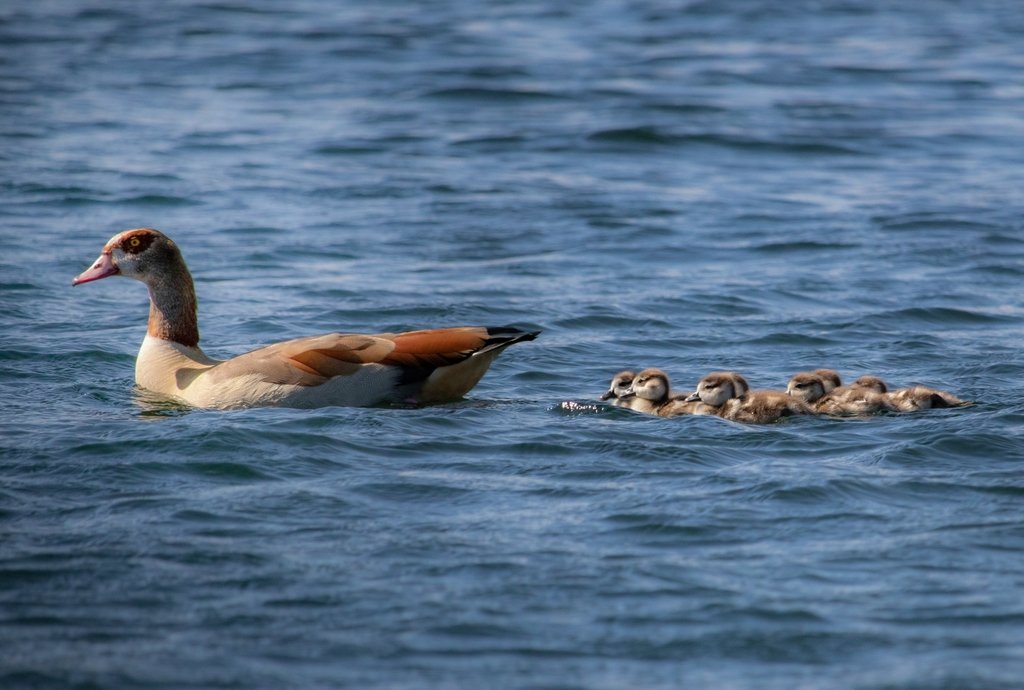
Looking Ahead
The conference concluded with a shared commitment to strengthening cooperation between the public and private sectors and identifying practical pilot projects that can advance sustainable tourism in Upper Egypt.
For Aswan Birdwatching, participating in this event was both an honour and an encouraging sign that nature-based tourism is receiving the attention it deserves.
The future of tourism in Aswan is not only written in its ancient temples and monuments—it is also found in its wetlands, islands, deserts, and the countless birds that migrate across the Nile every year.
We remain committed to showcasing this extraordinary natural heritage while helping build a tourism industry that benefits both people and nature.