What does it really mean to watch a bird?
For most birdwatchers, the answer seems obvious: binoculars, colors, plumage, movement and identification. But along the Nile in Aswan, we have been learning that birdwatching can mean something much broader.
Sometimes, you do not need to see a bird to experience it.
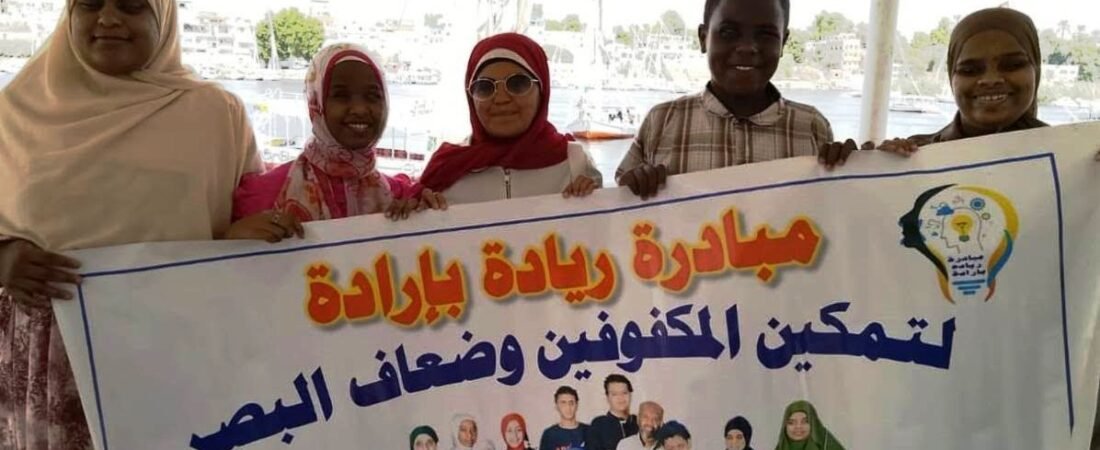
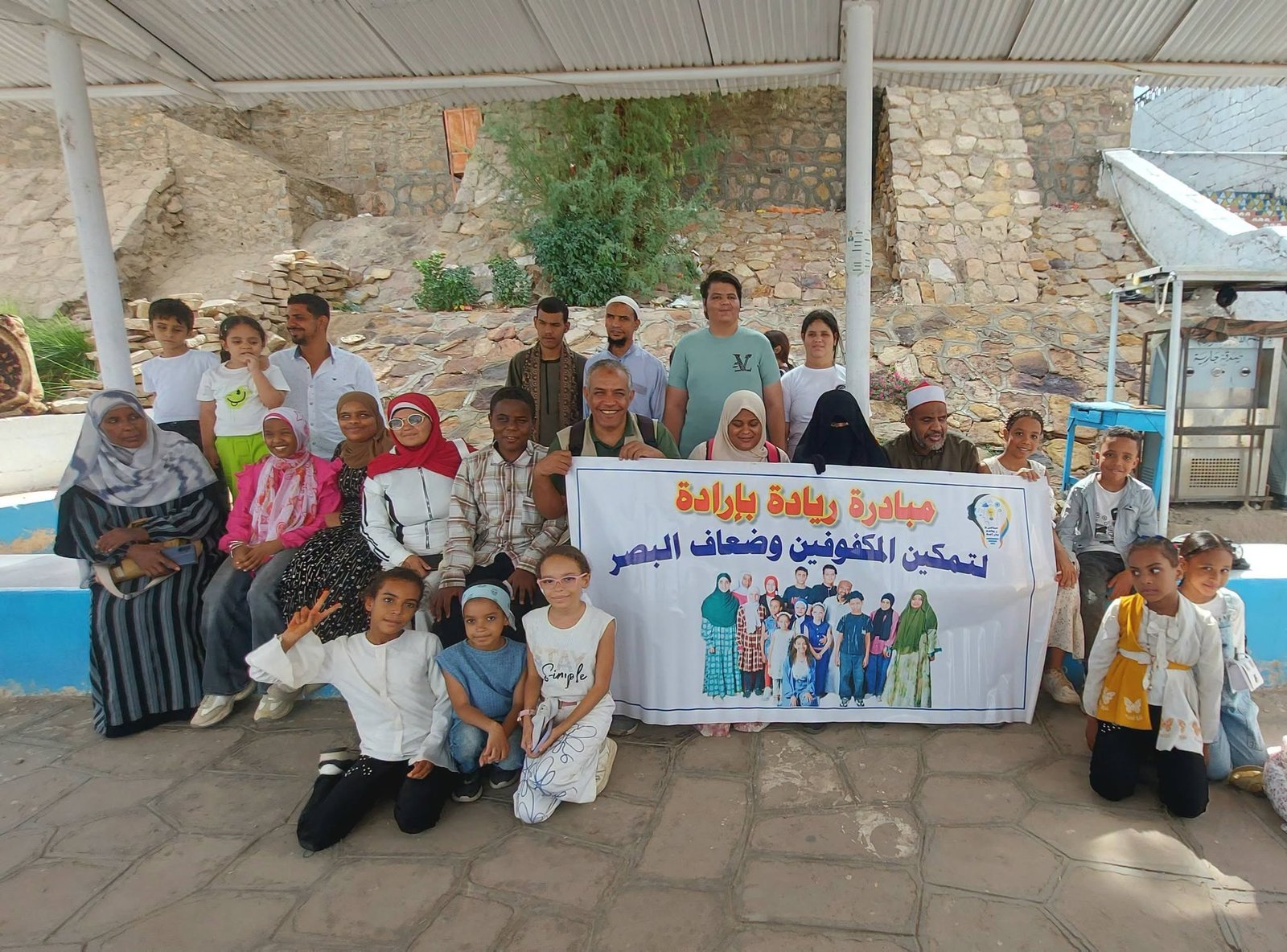
As part of our celebrations of World Migratory Bird Day 2026, Aswan Birdwatching continued its “Birding for All” initiative by organizing a special free birdwatching trip for local blind and visually impaired families, in cooperation with the “Riyada Bi Irada” (Leadership with Will) initiative.
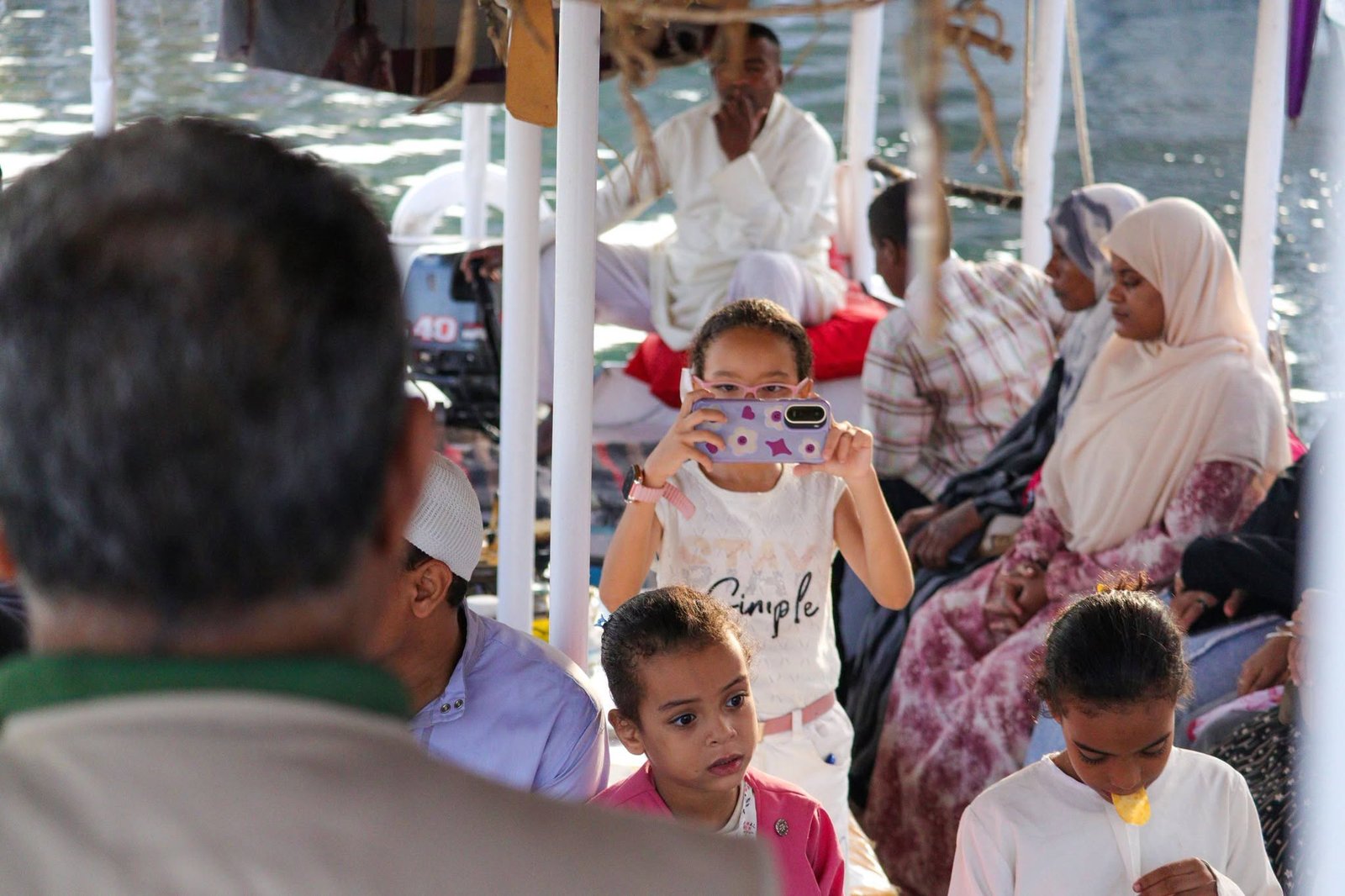
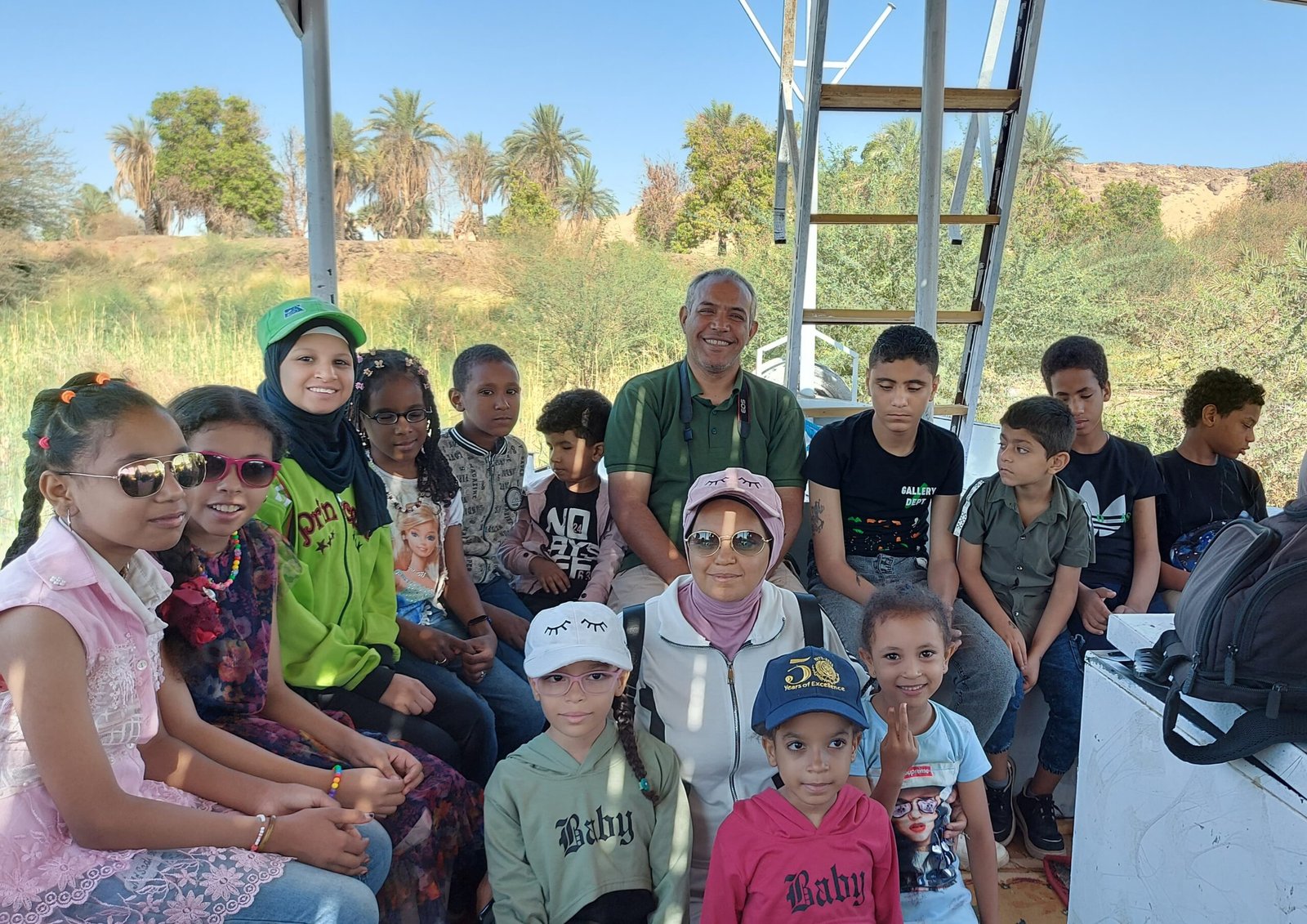
Twenty-eight participants, including visually impaired adults, parents and children, joined us for a journey along the Nile that was less about looking through binoculars and more about listening, imagining, describing and connecting with nature.
Every Bird Counts and Everyone Should Be Included
World Migratory Bird Day was celebrated on 10 October 2026 under the theme “Every Bird Counts – Your Observations Matter!” The global campaign this year highlights the importance of community science and the contribution ordinary people can make to our understanding and conservation of migratory birds.
For us at Aswan Birdwatching, the word “every” carries another important meaning.
If every bird counts, then everyone should have the opportunity to experience birds.
Birdwatching should not be an activity reserved for people with perfect eyesight, expensive binoculars, or specialist knowledge. Nature belongs to all of us, and there are many ways of discovering it.
This philosophy is at the heart of our “Birding for All” initiative.
The event also came just days before White Cane Day on October 15, making the experience especially meaningful. It was an opportunity to demonstrate that visual impairment does not have to mean exclusion from birdwatching, environmental education, or ecotourism.
Birding by Ear on the Nile
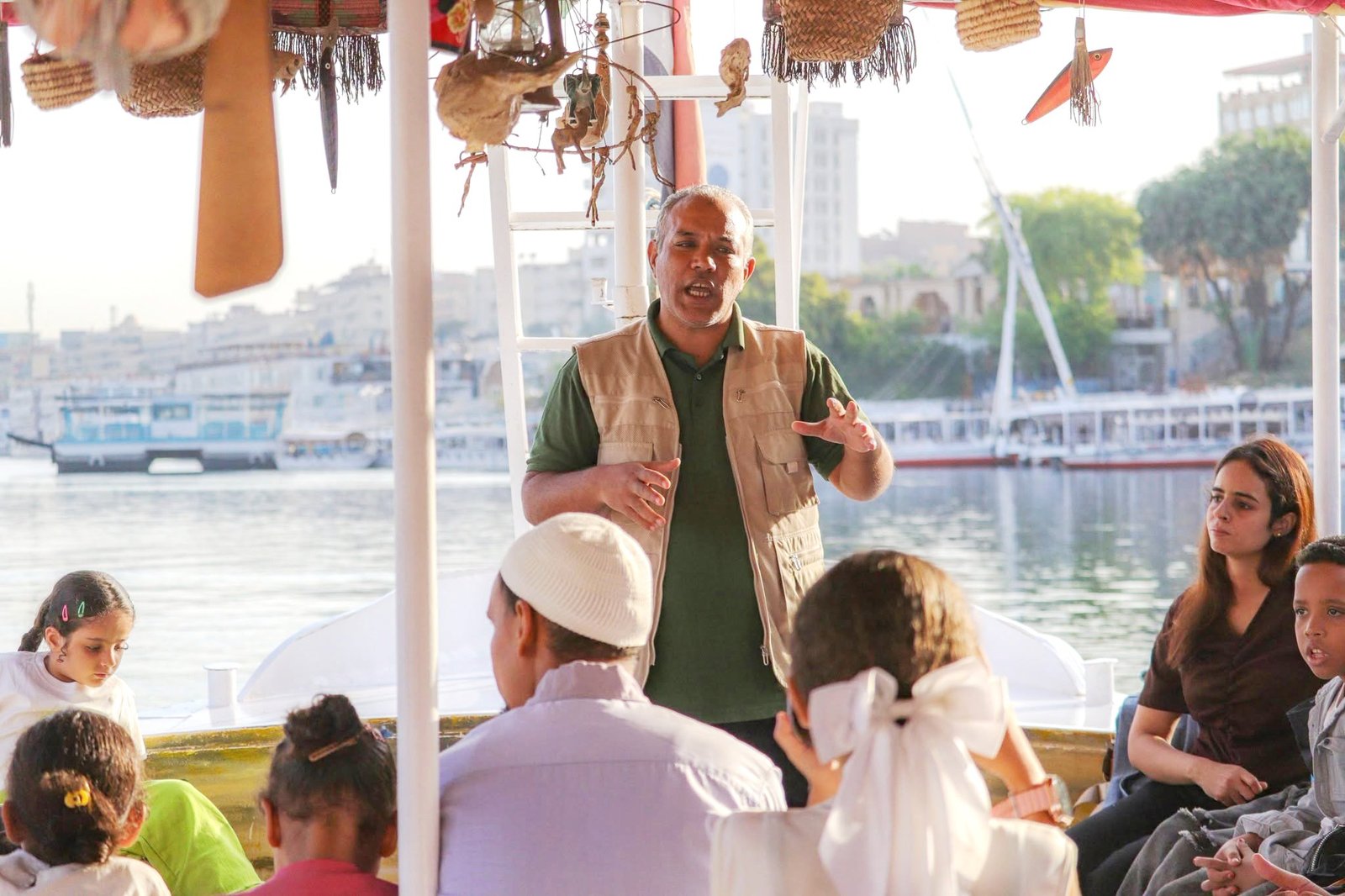
As our boat moved through the Nile landscape of Aswan, the usual priorities of a birding trip changed. Instead of asking: “Can you see that bird?”, we began asking: “Can you hear it?”
Participants listened carefully to the soundscape around them—the movement of the river, vegetation along the islands, distant human activity, and, above all, the calls of birds.
One of the most memorable voices was that of the Senegal Thick-knee, a characteristic bird of the Nile islands around Aswan. We also listened to the calls of kingfishers, Common Moorhens, Spur-winged Lapwings, White Wagtails, and Laughing Doves.
Every sound became an identification clue. Every call told us that somewhere among the reeds, rocks, trees, or riverbanks was another living creature sharing this landscape with us. And suddenly, birdwatching was no longer primarily about sight. It became about attention.
Turning Colors into Words
Of course, not every bird announces its presence with a distinctive call.
That presented us with another challenge: How can we share the visual beauty of a bird with someone who can’t see it?
The answer was description.
When we encountered a Purple Swamphen, for example, we tried to build the bird through words, describing its large size, deep blue-purple plumage, striking red bill and frontal shield, long legs and its characteristic movements through wetland vegetation.
Sighted companions also played an important role.
Instead of simply enjoying sightings themselves, they described what they were seeing to their visually impaired friends: the long neck and grey plumage of a Grey Heron, the darker colors of a Purple Heron, the smaller Squacco Heron, and the compact shape of a Black-crowned Night Heron. In those moments, birdwatching became a shared experience rather than an individual one.
Building on Our First “Birding for All” Experience
This was not our first attempt to explore birdwatching beyond sight. Our earlier Birding for All experience in Aswan introduced visually impaired participants to birds through calls, natural soundscapes, storytelling, and detailed verbal descriptions rather than relying solely on visual identification. That experience convinced us that accessible birdwatching can become a meaningful part of environmental education and ecotourism in Upper Egypt.
The World Migratory Bird Day trip allowed us to take that idea another step forward by involving entire families and connecting inclusion with an international celebration of birds and conservation.
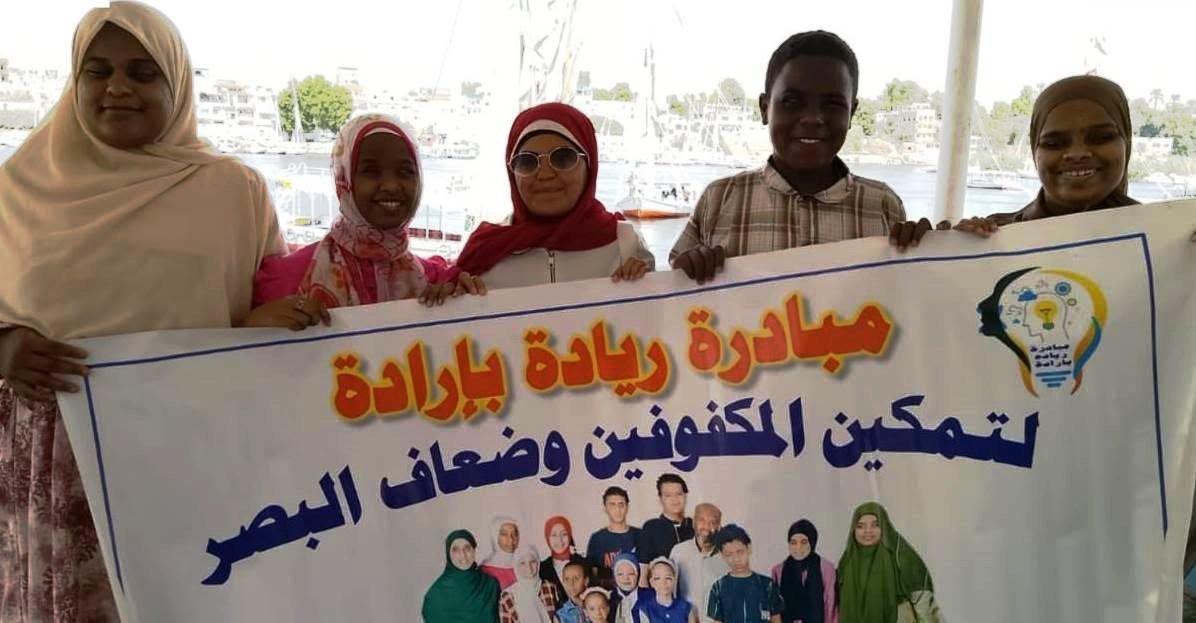
Through “Birding for All”, we hope to continue developing birdwatching experiences that welcome children, families, and people with disabilities; not as passive guests, but as active participants in discovering and protecting the natural heritage of Aswan.
Our trip included 28 people, but its message was much bigger: Birdwatching can be accessible to everone. For Aswan Birdwatching, celebrating World Migratory Bird Day was, not simply about adding more species to a checklist. It was about adding more people to the birding community.
Related Articles:
Birding for All: Exclusive Nature Experience for the Visually Impaired in Aswan