One Country. Three Continents of Birds. A Lifetime of Memories.
Egypt sits at one of the most extraordinary ornithological crossroads on earth. As the only land bridge between Europe, Africa, and Asia, it lies at the intersection of three major biogeographical zones; the Western Palearctic, the Afrotropics, and the Saharo-Sindian desert zone; making it one of the most species-rich and strategically important birding destinations in the world.
With over 400 recorded bird species, a spectacular annual migration involving hundreds of millions of birds, and a growing list of Afrotropical specialities found nowhere else in the Western Palearctic region, Egypt offers birdwatchers an experience that is genuinely unlike anywhere else on earth.
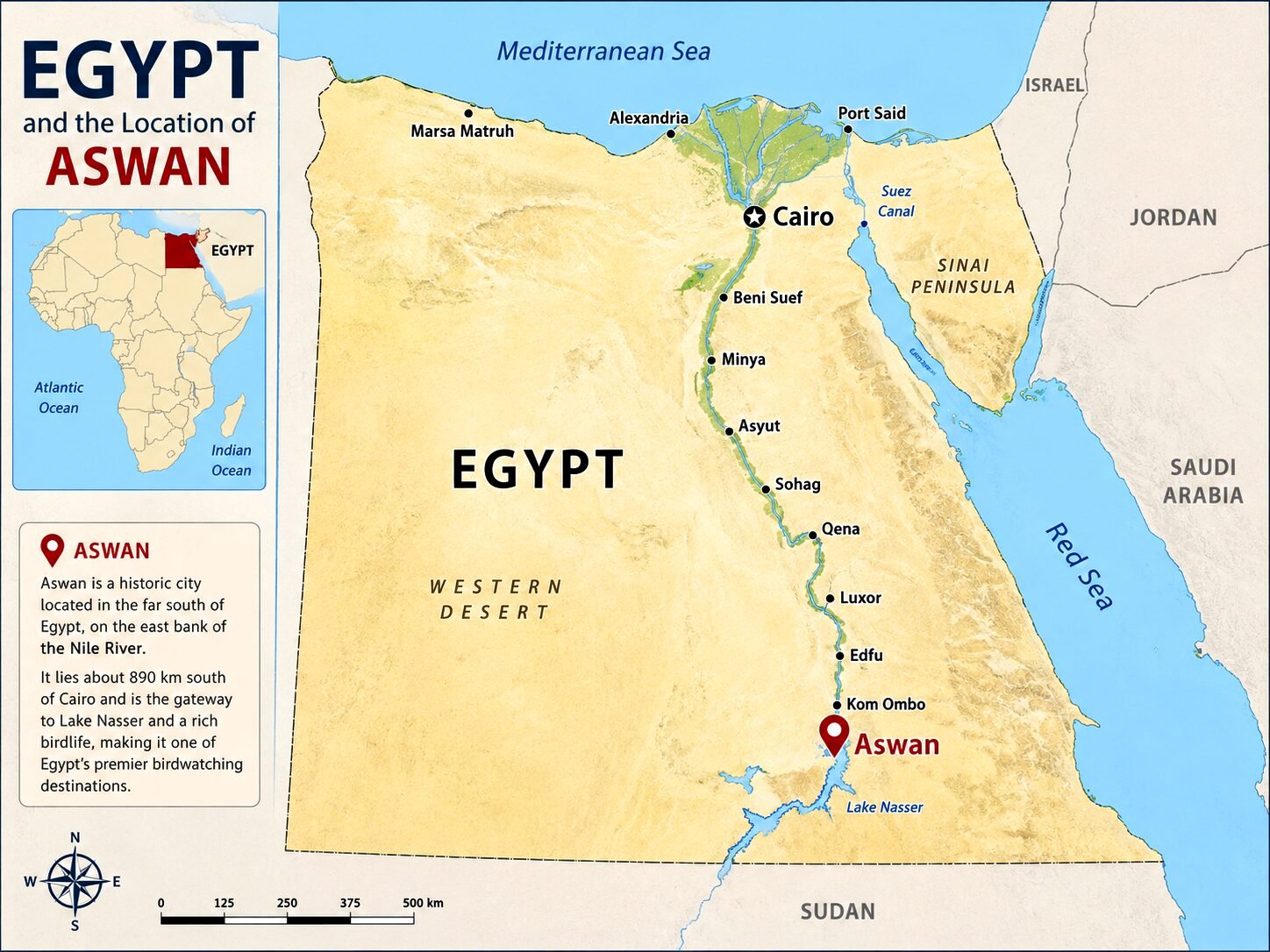
EGYPT’S KEY BIRDING REGIONS
The Nile Valley
The Nile is Egypt’s lifeline — and for birds, it is the single most important habitat in the country. The river and its associated reedbeds, islands, cultivated margins, and flood plains support a remarkable diversity of resident and migrant species.
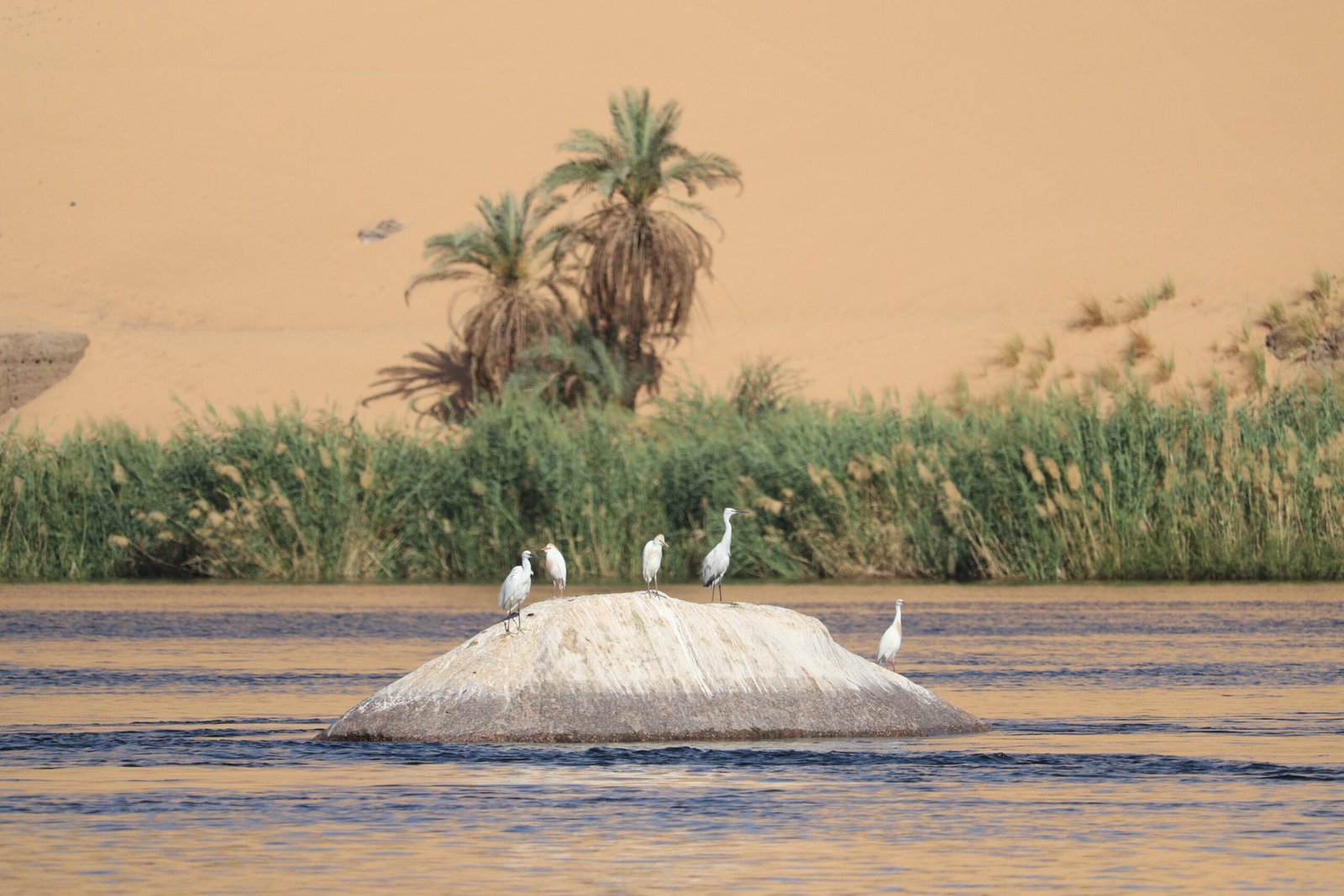
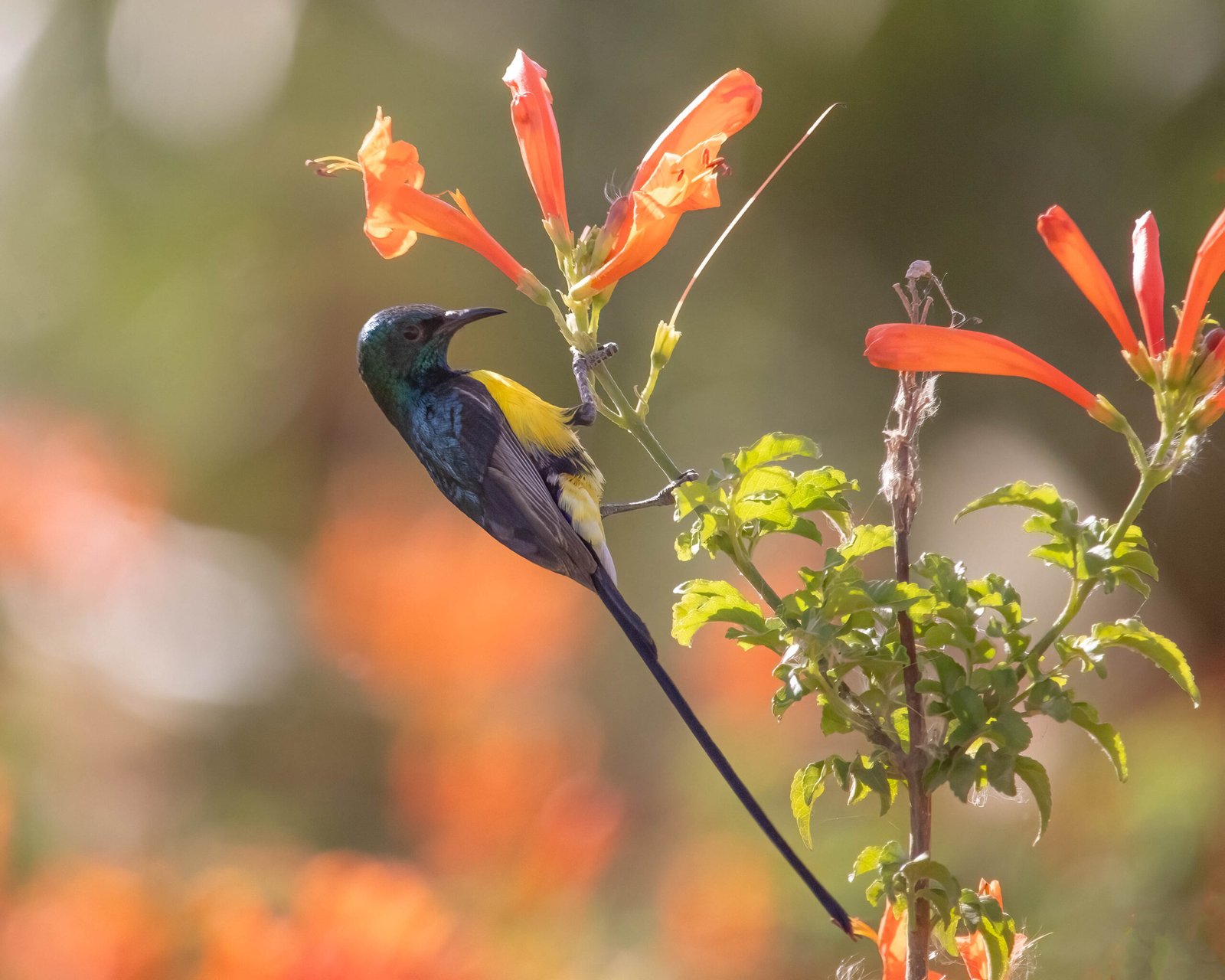
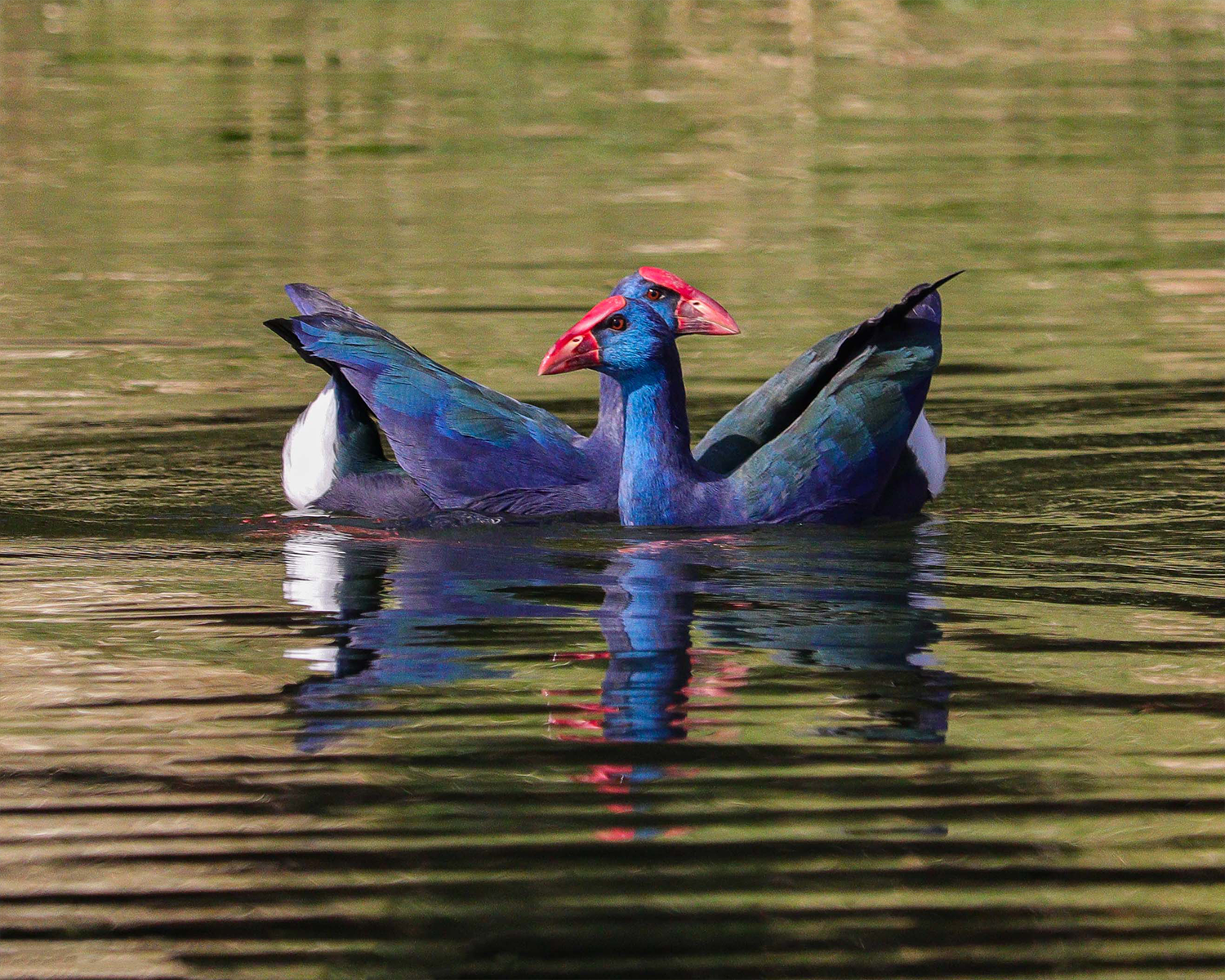
The Nile Valley hosts several African birds such as Senegal Coucal, Senegal Thick-knee and Nile Valley Sunbird. Other species of interest for Western Palearctic birders include Greater Painted Snipe, African Swamphen, Egyptian Goose and Striated Heron, while several endemic subspecies can be found here, most notably the Egyptian savignii race of Eurasian Barn Swallow.
The Nile Valley is productive year-round, but peaks during spring migration (March–May) when the river acts as a green corridor guiding millions of migrants northward. Resident specialities — Nile Valley Sunbird, Green Bee-eater, Clamorous Reed Warbler, Pied Kingfisher, and Senegal Thick-knee — are present and visible throughout the year.
Key Nile Valley birding sites:
- Aswan and the Nile islands
- Luxor waterfront and cultivations
- Fayoum Oasis and Wadi El Rayan
- Cairo’s fish farms and waterways
Aswan — Gateway to Africa’s Birds
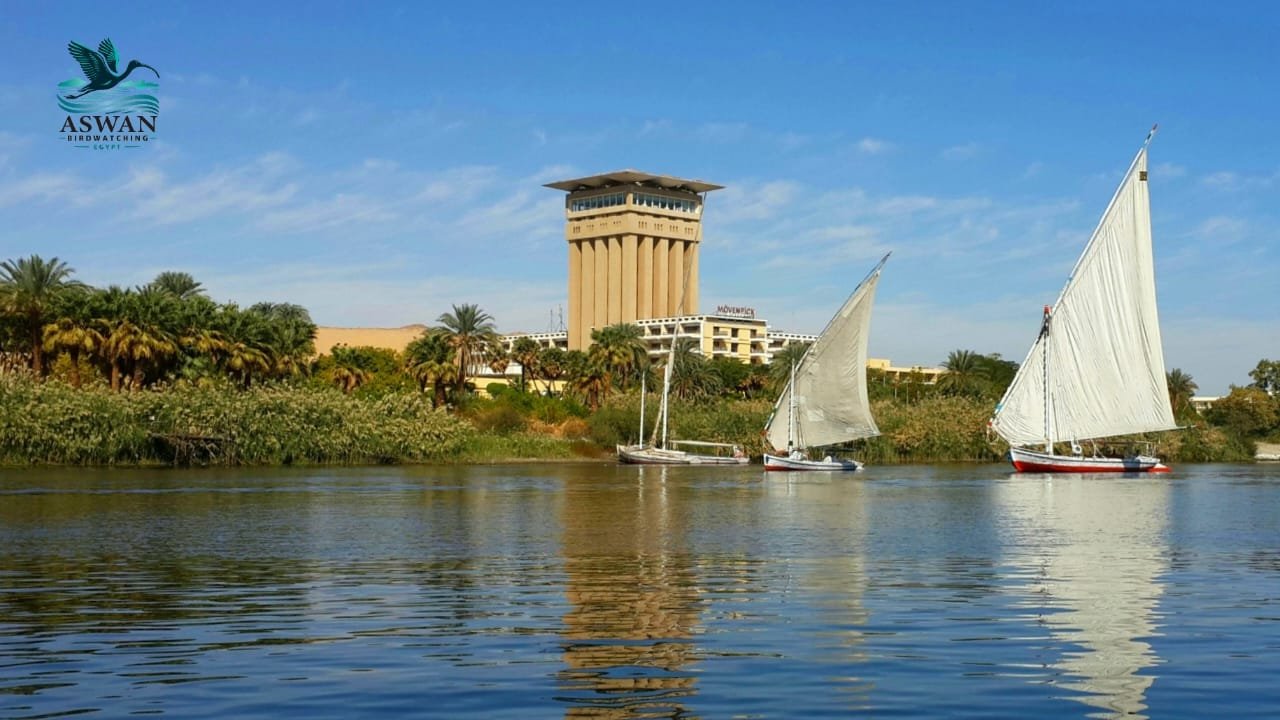
Aswan is, without question, the single most exciting birding city in Egypt. Situated at the point where the Nile Valley transitions toward the Nubian desert and the Afrotropical zone begins to exert its influence, Aswan offers a unique combination of classic Nile birds and African specialities that cannot be found together anywhere else in the Western Palearctic.
The birding around Aswan is spectacular, combining a mixture of roadside birding and making use of a motorised boat along the Nile, with chances of key species such as African Swamphen, Senegal Thick-knee, Greater Painted Snipe, African Green Bee-eater, Clamorous Reed Warbler and Nile Valley Sunbird, with potentially some really good photography opportunities.
Our guided birding trips in Aswan — including the Classic Nile Birding Trip and bespoke photography tours — give you access to all of these species and more, on private boat trips that reach islands and reedbeds inaccessible by road.
Explore our Aswan birding trips →
- Lake Nasser and Abu Simbel — Africa’s Birds in Egypt
Three hours south of Aswan lies one of the most extraordinary birding destinations in the entire Western Palearctic: Lake Nasser and its southern hub at Abu Simbel. Here, at the very edge of Egypt’s border with Sudan, the Afrotropical zone spills northward across the political boundary, bringing with it a suite of remarkable African species that can be found nowhere else in Egypt — or indeed anywhere else north of sub-Saharan Africa.
Abu Simbel offers the keen Western Palearctic lister some of the rarest birds in the region and the possibilities are truly exciting. Mega Western Palearctic species present here include Reed Cormorant, Yellow-billed Stork, Kittlitz’s Plover, Plain (Brown-throated) Martin, Village Weaver, Crimson-rumped Waxbill, and African Pied Wagtail.
The region around Lake Nasser is frequented by birds that are more usually found further south such as Three-banded Plover, African Collared Dove, Yellow-billed Stork, and Pink-backed Pelican. Recent surveys have shown a marked increase in heron, egret and ibis breeding colonies around the lake’s shores and the area is an important wintering ground for Eurasian waterbirds.
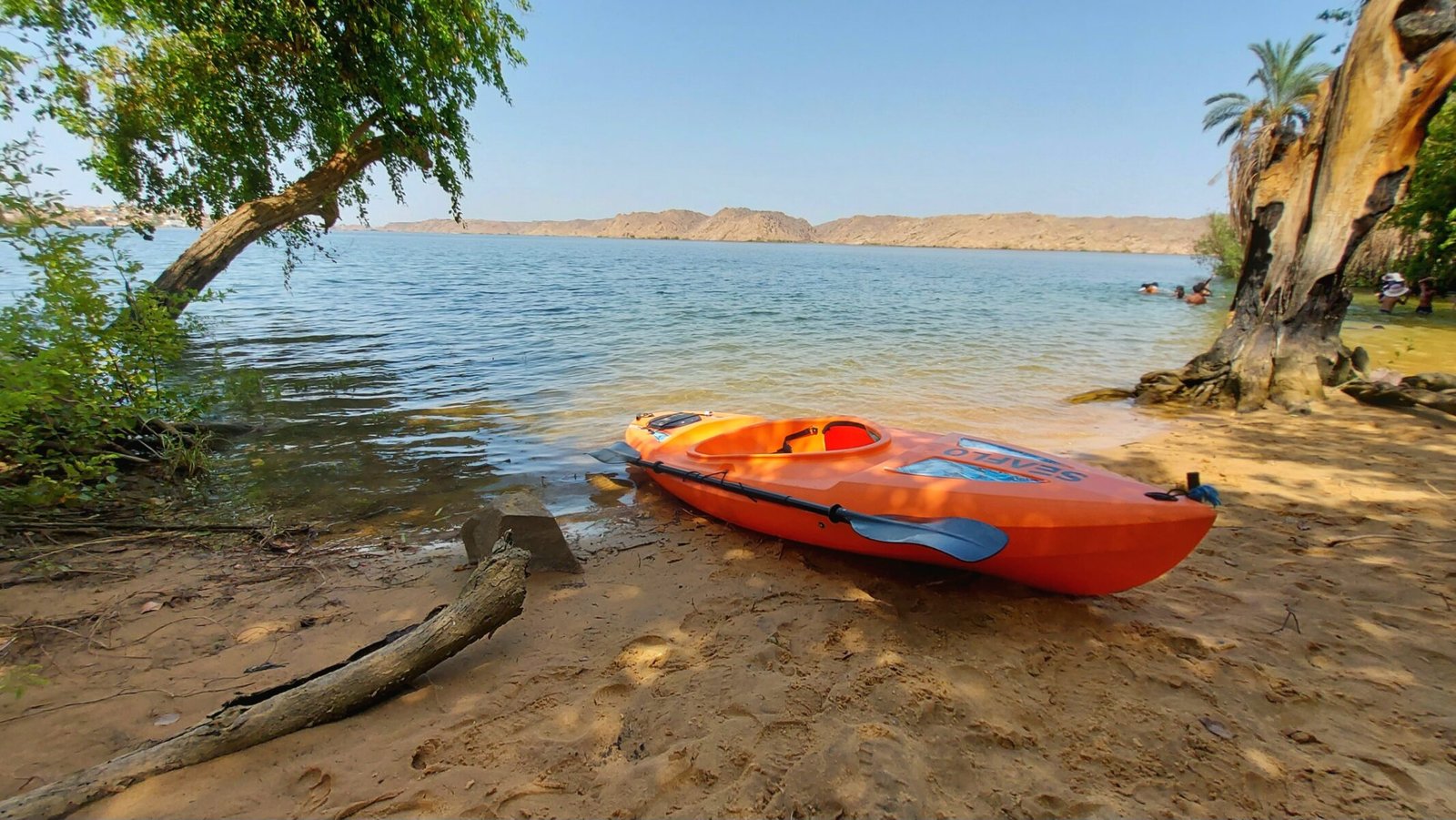
Our Lake Nasser Birding Trips take you deep into this extraordinary habitat — by boat on the lake and on foot along its remarkable shores.
Explore our Lake Nasser birding trips →
🔴 The Red Sea Coast
Egypt’s Red Sea coastline offers a completely different but equally rewarding birding experience. The combination of mangrove habitat, offshore islands, coastal scrub, and desert interior creates an exceptionally diverse avifauna that attracts visiting birders from across the world.
Key Red Sea specialities include Hemprich’s Gull and White-eyed Gull — two distinctive dark gulls found primarily on the Red Sea and among the world’s most sought-after gull species. Sooty Falcon breeds on offshore islands and can be seen hunting over the coast in summer. The mangroves at Wadi Lahami hold breeding Ospreys and occasional Goliath Herons. And boat trips to the Hamata Islands offer encounters with Crab-plover, Bridled Tern, Saunders’s Tern, and Brown Booby.
🏛️ Cairo and the Nile Delta
Egypt’s capital and its surrounding delta wetlands offer birding opportunities that surprise many first-time visitors. Starting in Cairo, excellent sites around the city offer Greater Painted Snipe, Kittlitz’s Plover, Senegal Coucal, Nile Valley Sunbird, and Red Avadavat.
Further south of Cairo, the Fayoum Depression provides the only accessible site in the entire Western Palearctic for Chestnut-bellied Sandgrouse — a species that alone justifies a detour for many visiting birders. And the Nile Delta itself, with its vast wetlands and Lake Manzala in the north, holds internationally important concentrations of wintering waterbirds.
⛰️ South Sinai
The rugged mountains of South Sinai hold several genuine endemic specialities. Sinai Rosefinch — a breathtakingly beautiful rose-pink finch — breeds among the granite mountains and is most reliably seen around St Catherine’s Monastery. Tristram’s Starling is another Sinai speciality, while the desert terrain holds Lichtenstein’s Sandgrouse, Sand Partridge, Hooded and Mourning Wheatears, and occasional Verreaux’s Eagle in the Wadi El Gemal area.
WHEN TO GO BIRDWATCHING IN EGYPT
Birding in Egypt is good throughout the year; in a two-week period from 160 to over 200 species can be expected. Target species and weather tend to be the main considerations in deciding when to come.
Spring Migration — March to May ⭐ Highly Recommended
The most spectacular time to visit. During spring migration, a round trip in Egypt is an amazing experience. A big part of the mighty wave of birds that passes over famous Eilat can be seen along the Red Sea coast. Thousands of raptors and storks soar over the mountains, green areas are alive with passerines and flocks of herons, waders, gulls and terns are moving north along the coast. For Aswan and Lake Nasser, spring also sees Afrotropical oversummering species arriving and settling in — April and May are outstanding months.
Summer — June to August
The hot season — temperatures around Abu Simbel can reach 40°C — but productive for Afrotropical species at Lake Nasser. Yellow-billed Stork is at peak numbers. Plan field time for early morning and late afternoon.
Autumn Migration — September to November
The return migration begins, and Egypt fills with birds moving south. The Gulf of Suez and South Sinai see dramatic raptor and stork movements. Late August sees dramatic migration of White Storks through South Sinai and the Red Sea.
Winter — December to February
Cooler temperatures make birding comfortable and pleasant throughout Egypt. The area is an important wintering ground for Eurasian waterbirds, with ducks, geese, and wading birds present in excellent numbers on Lake Nasser and the Nile Delta wetlands.
EGYPT’S BIRD CHECKLIST AT A GLANCE
The avifauna of Egypt includes a total of 501 species of birds. Of these:
Approximately 150 species are resident breeders
Around 280 species use Egypt as a migration corridor
Two thirds of all recorded species are migrants or winter visitors
Resident birds of interest include Saharo-Sindian species, African species not found elsewhere in the Western Palearctic, and Red Sea birds.
Western Palearctic exclusive species reliably found in Egypt include:
Nile Valley Sunbird · African Swamphen · Senegal Thick-knee · Green Bee-eater · Striated Heron · Greater Painted Snipe · Yellow-billed Stork · Village Weaver · Kittlitz’s Plover · Reed Cormorant · African Pied Wagtail · Crimson-rumped Waxbill · Chestnut-bellied Sandgrouse · Hemprich’s Gull · White-eyed Gull · Sinai Rosefinch · Sooty Falcon · Lappet-faced Vulture · Pharaoh Eagle-Owl · Three-banded Plover
PRACTICAL INFORMATION FOR BIRDERS
Getting to Egypt
Egypt is well connected internationally, with direct flights from most European cities to Cairo, and domestic connections onward to Aswan, Luxor, Hurghada, and Sharm el-Sheikh. Flying directly to Aswan is the most efficient option for birders focusing on the Nile Valley and Lake Nasser.
Visas
Most nationalities can obtain a tourist visa on arrival at Egyptian airports, or in advance through the official e-visa portal. Carry your passport and the required fee in USD or EUR.
Currency
The Egyptian Pound (EGP) is the local currency. Cash payments are widely accepted — often preferred — and it is advisable to carry both USD/EUR and some Egyptian Pounds for day-to-day expenses.
Best Field Guides for Egypt
- Birds of Egypt — Steve Goodman & Peter Meininger (Oxford University Press)
- Birds of the Middle East — Richard Porter & Simon Aspinall (Helm)
- Collins Bird Guide — Svensson et al. (for Western Palearctic context)
- eBird — the Cornell Lab’s free app and website, with up-to-date sightings and checklists from Egypt
Photography
Egypt is outstanding for bird photography. The combination of clear desert light, accessible species, and boat-based viewing (which allows close approach without disturbance) makes it one of the finest photography destinations in the region.
START PLANNING YOUR EGYPT BIRDING TRIP
Book a Classic Nile Birding Trip → A 3-hour private boat trip on the Nile — the perfect introduction to Aswan’s remarkable resident birds
Book a Lake Nasser Birding Trip → The definitive trip for Western Palearctic listers — targeting Afrotropical specialities at the edge of Africa
Enquire About a Customised Itinerary → Tell us your target species and we’ll design the perfect Aswan and Lake Nasser birding programme for you