Conservation is built on more than passion—it grows through training, mentorship, and opportunities in the field. Over the past five years, OSME, together with Sobek Planet, Nature Conservation Egypt (NCE), and the Egyptian Ministry of Environment, has invested in developing local birding skills in southern Egypt, proving that supporting people is one of the most effective ways to protect birds.
The Journey
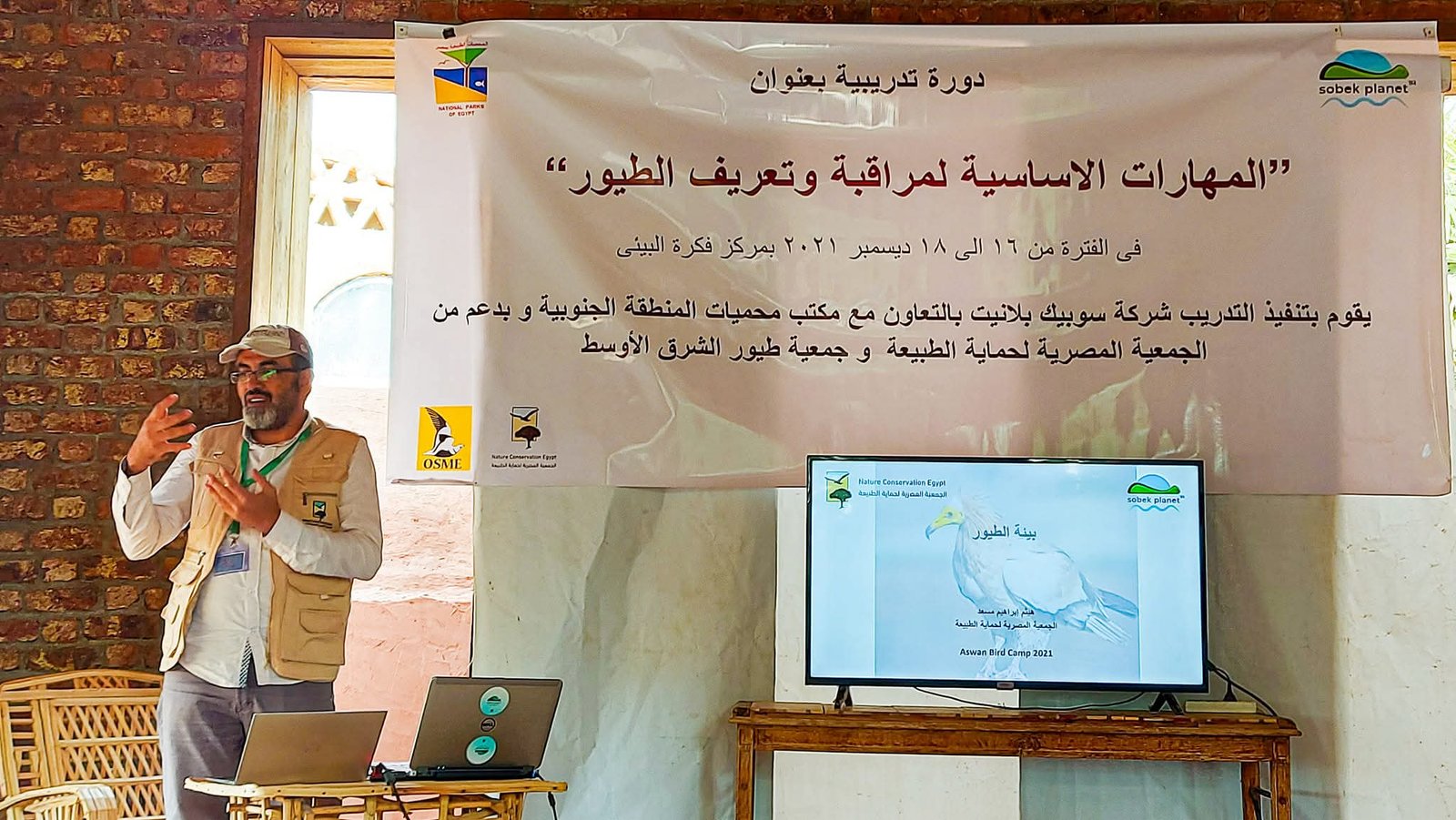
My journey began in December 2021 with a basic bird identification course that introduced participants to the foundations of birding and field survey techniques.
It continued in 2024 with an advanced training combined with the Winter Waterbird Count on Lake Nasser, giving participants invaluable experience in one of Egypt’s most important wetland ecosystems.
When Training Pays Off
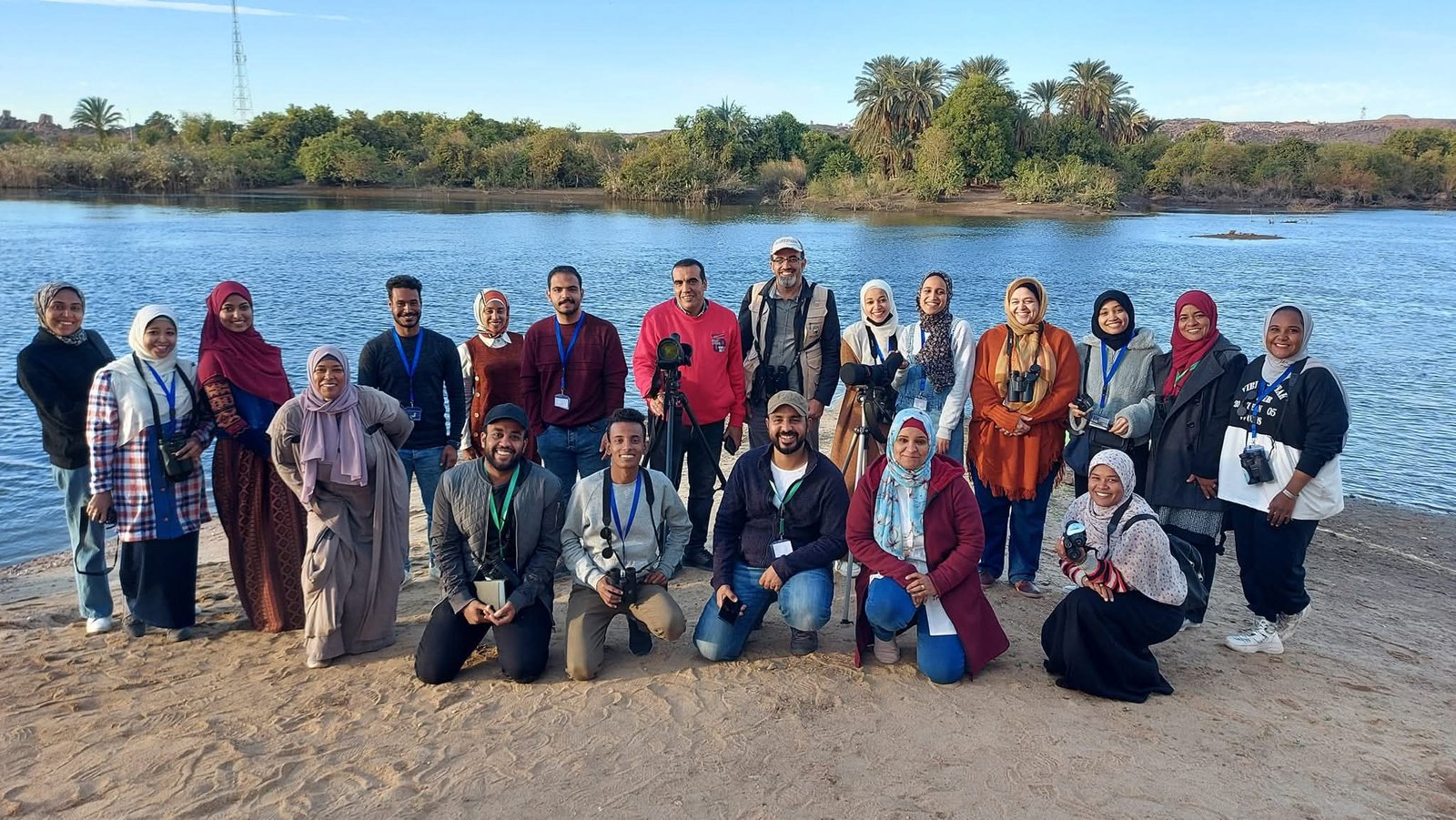
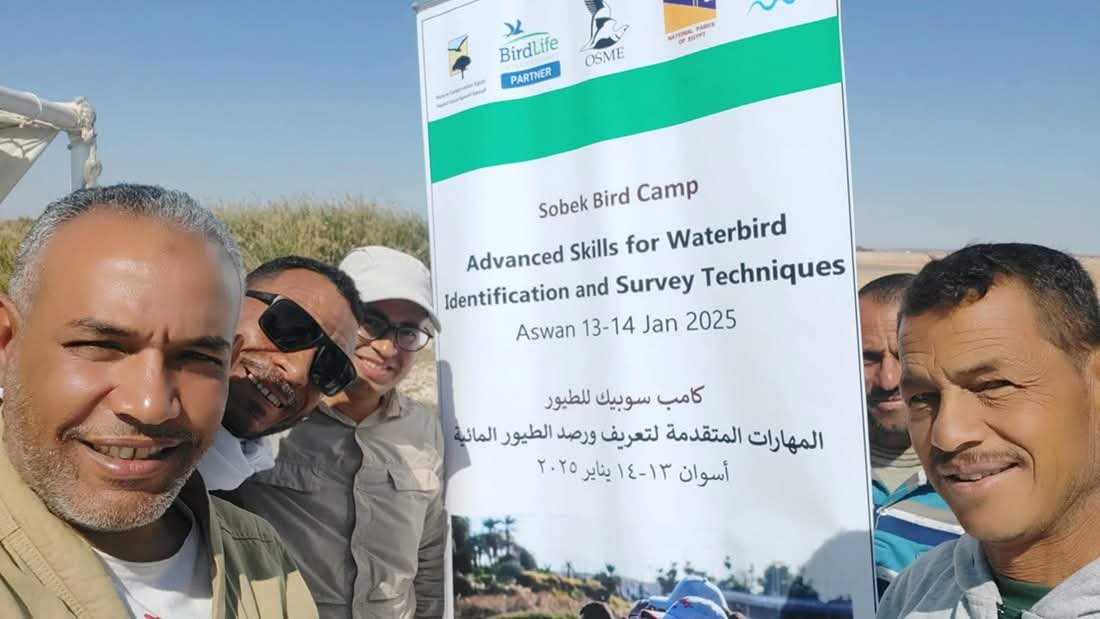
By January 2025, the program had evolved far beyond bird identification. The training expanded to include habitat assessment and conservation priority setting, reflecting the growing role of skilled local birders in supporting conservation efforts. During intensive field sessions, participants recorded more than 75 bird species, including standout sightings of the Reed Cormorant, Kittlitz’s Plover, and Village Weaver—species that highlighted Aswan’s exceptional ornithological value.
The true impact of these training camps became even more evident during the 2026 field season.
While taking part in practical waterbird survey training, participants made two remarkable discoveries. In January 2026, they documented a Song Thrush—only the second record ever for Aswan Governorate and the first supported by photographic evidence. They also recorded the first-ever Black Scrub Robin for Aswan. These were not chance encounters; they were the result of well-trained observers who knew exactly where to search, what to look for, and how to document their findings to the highest scientific standards.
The Gift
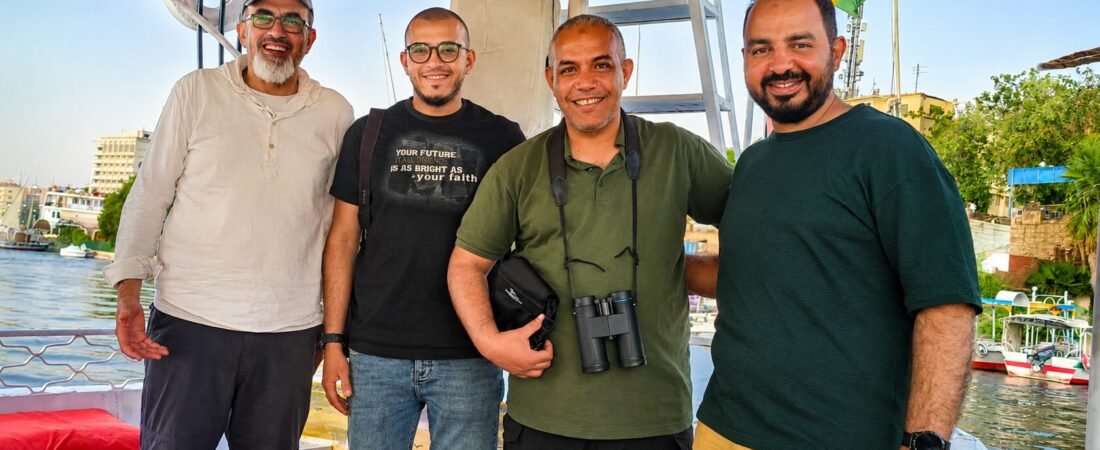
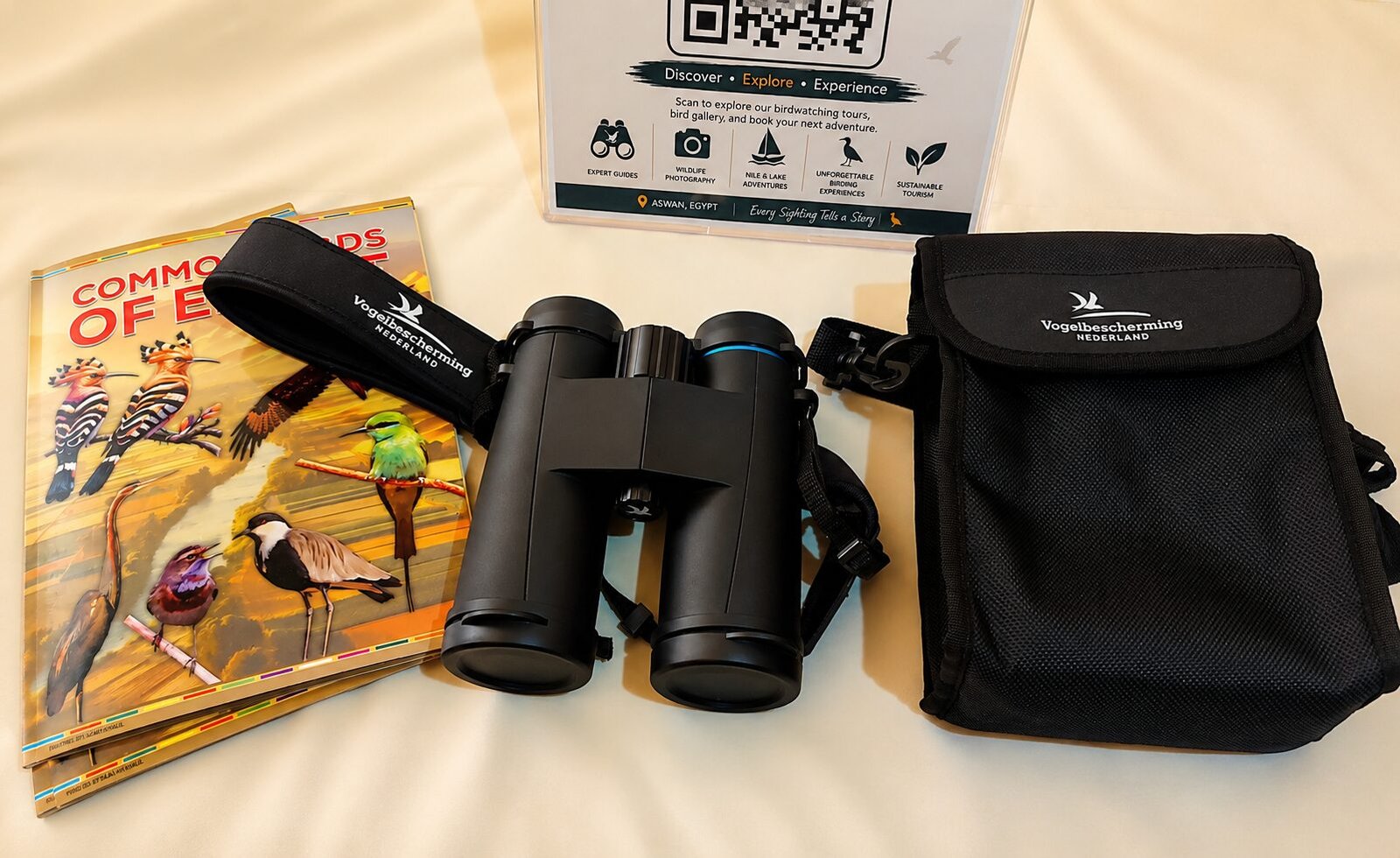
Following a recent breeding waterbird survey on the Nile Islands in Aswan, that commitment to learning was recognized in a memorable way. OSME presented Ismael Khalifa and other local birders with a pair of binoculars.
In a country where quality optics are increasingly difficult to obtain, the gift was both practical and deeply symbolic; a recognition of years of dedication and continued growth in the field.
More importantly, it reflects the philosophy behind these programs: investing in local birders creates lasting benefits for bird monitoring, scientific documentation, and conservation.
Every training camp, every field survey, and every new observer strengthens the network of people working to understand and protect Egypt’s remarkable birdlife.
Special Thanks
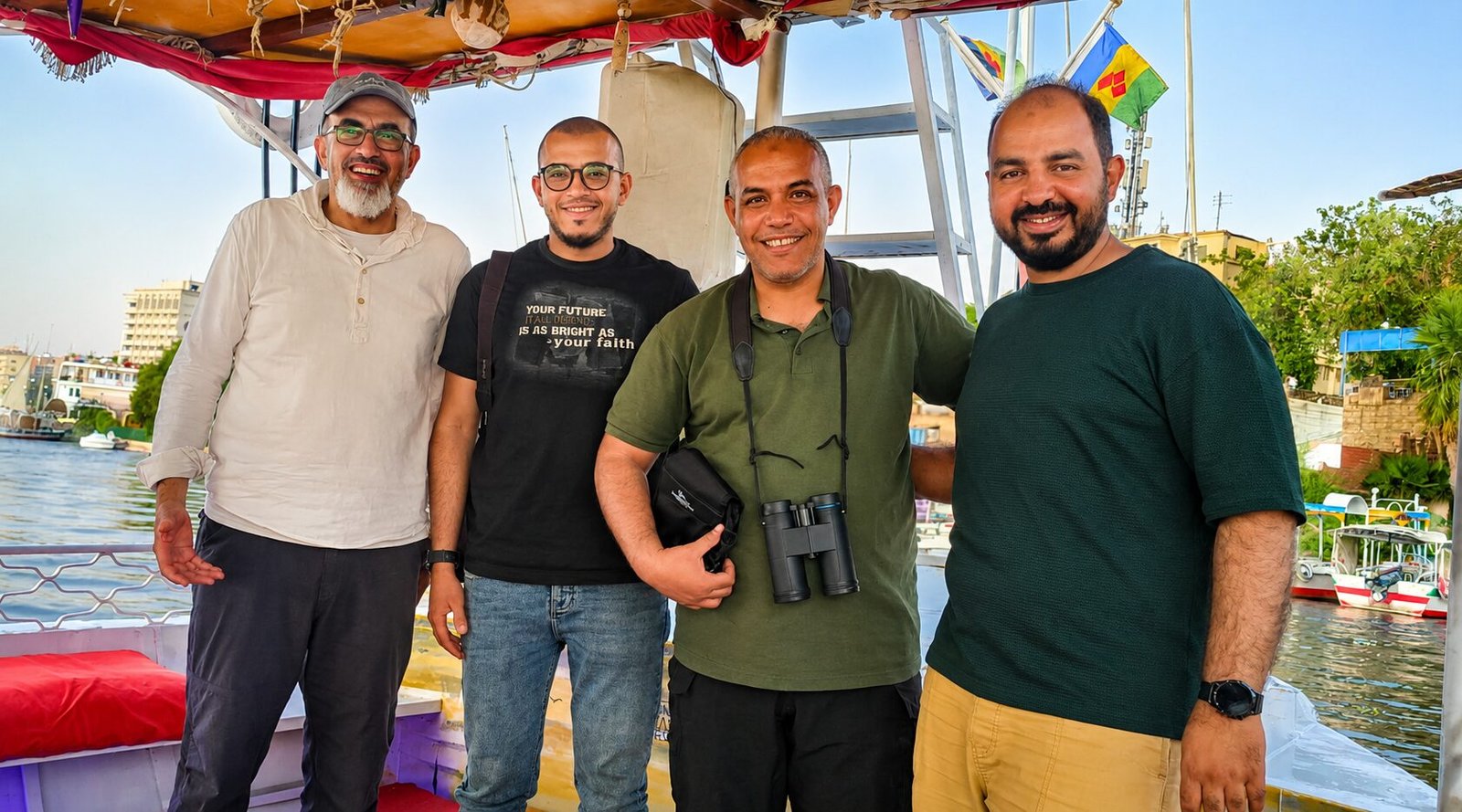
Last but certainly not least, I would like to extend my heartfelt gratitude to OSME, Sobek Planet, Nature Conservation Egypt (NCE), and the Aswan Protected Areas of the Egyptian Ministry of Environment for believing in the potential of young Egyptian birders and investing in their growth.
My sincere appreciation also goes to my mentors, Amr Hady and Haitham Ibrahim Mossad, whose guidance, encouragement, and unwavering support have been invaluable throughout this journey.
Their commitment is a powerful reminder that when organizations, mentors, and passionate individuals work together, they don’t just train birdwatchers—they inspire the next generation of conservationists and help shape a brighter future for Egypt’s natural heritage.
Related Articles:
Aswan Birdwatching Participates in National Workshop to Combat Illegal Bird Killing in Egypt