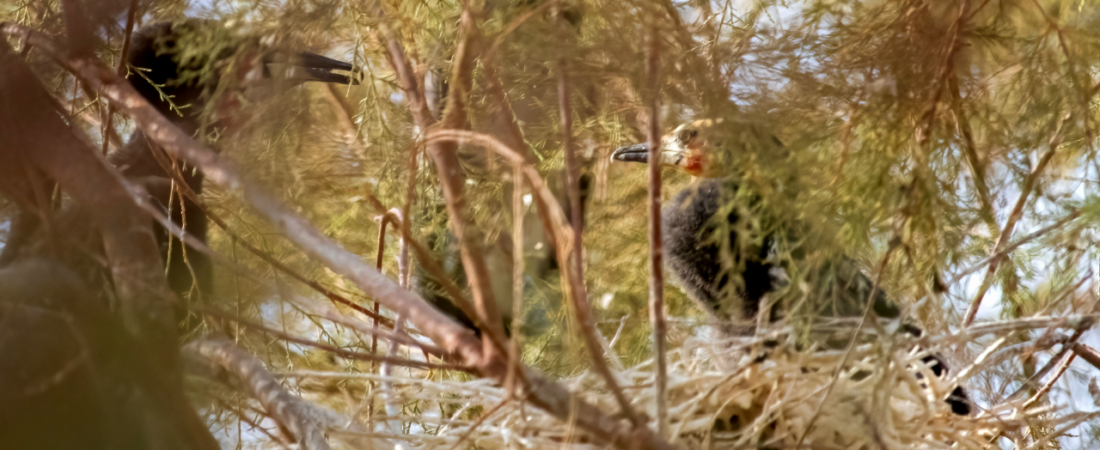
On 23 August 2025, a routine birding excursion on Lake Nasser turned into one of the most significant ornithological discoveries in modern Egyptian birding history. During a guided birdwatching trip led by Ismael Khalifa, evidence of successful breeding by the Reed Cormorant (Microcarbo africanus) was documented, confirming the species as a breeding bird in Egypt for the first time in more than 120 years.
A Species Lost from Egypt’s Breeding Avifauna
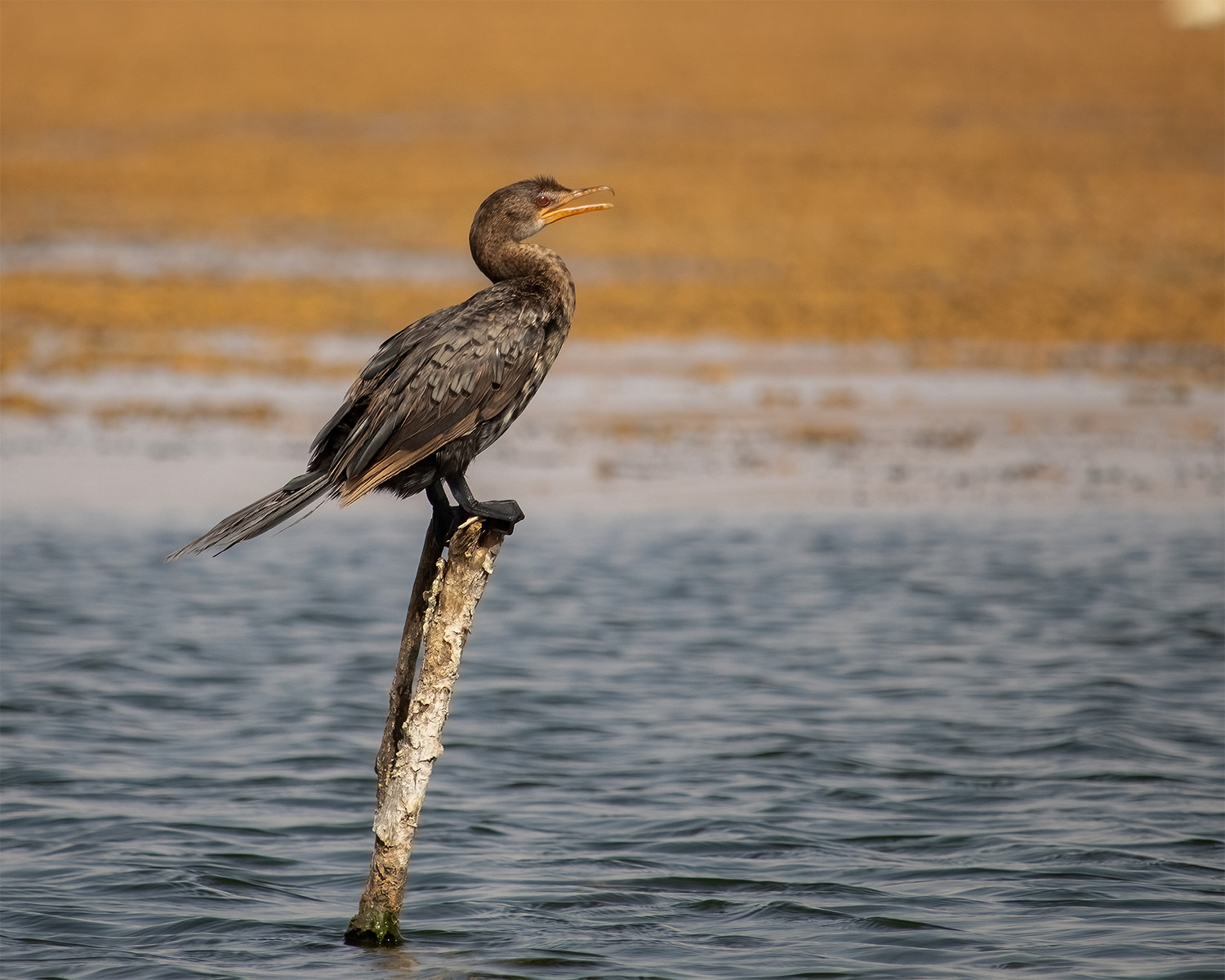
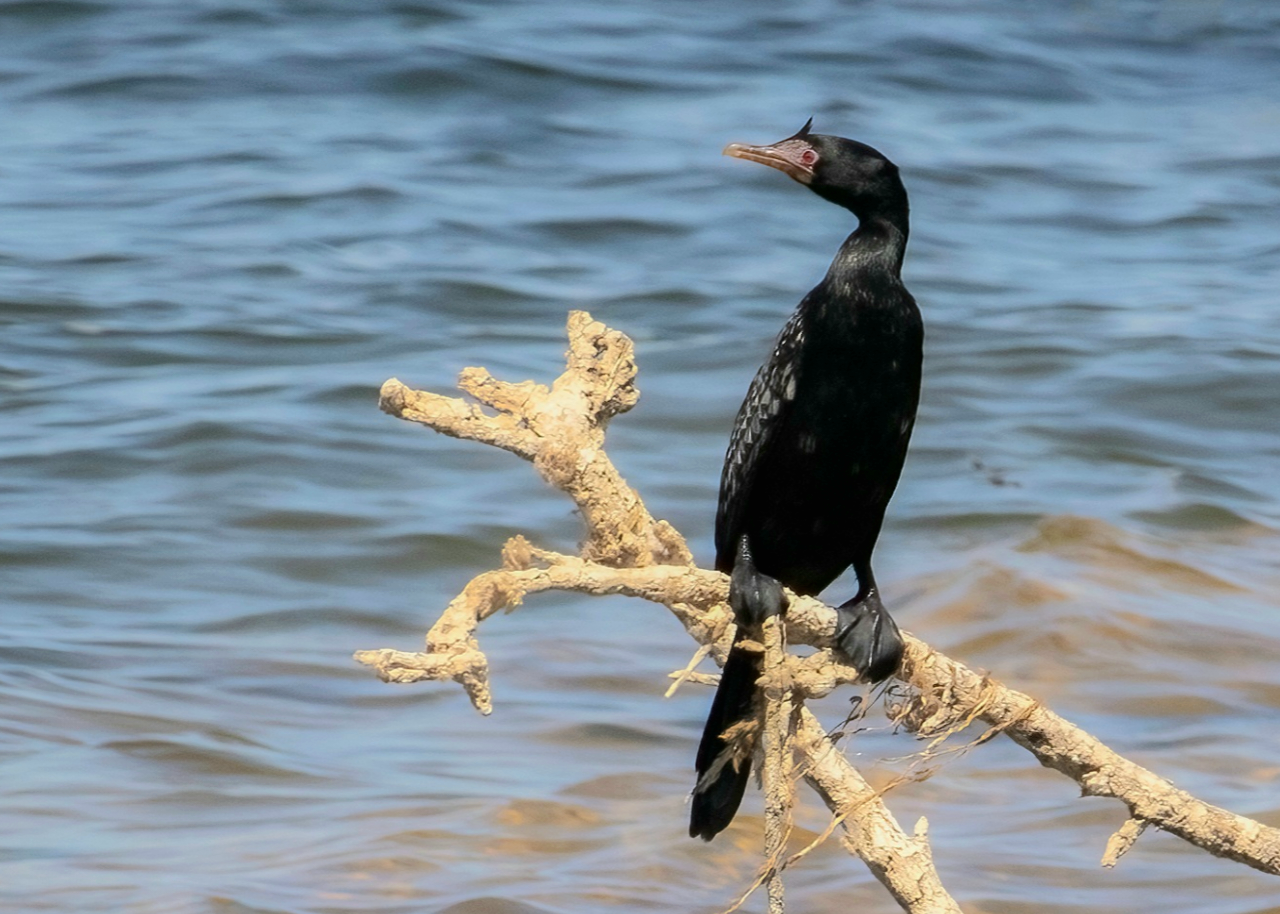
The Reed Cormorant is a small African cormorant widely distributed throughout sub-Saharan Africa, where it inhabits freshwater lakes, rivers, wetlands, and marshes. Despite its abundance across much of Africa, the species has remained one of Egypt’s most elusive birds.
Historical records indicate that Reed Cormorants bred in southern Egypt during the nineteenth century, but breeding evidence disappeared from the scientific literature after 1903. For more than a century, the species was considered absent as a breeding bird, and many ornithologists regarded its return as highly unlikely.
That perception changed dramatically in March 2024, when a small flock of Reed Cormorants was rediscovered on Lake Nasser. The sighting generated considerable excitement among birders and ornithologists, raising the possibility that the species might once again establish a foothold in Egypt. The discovery of breeding birds in August 2025 has now transformed that possibility into a confirmed reality.
The Discovery
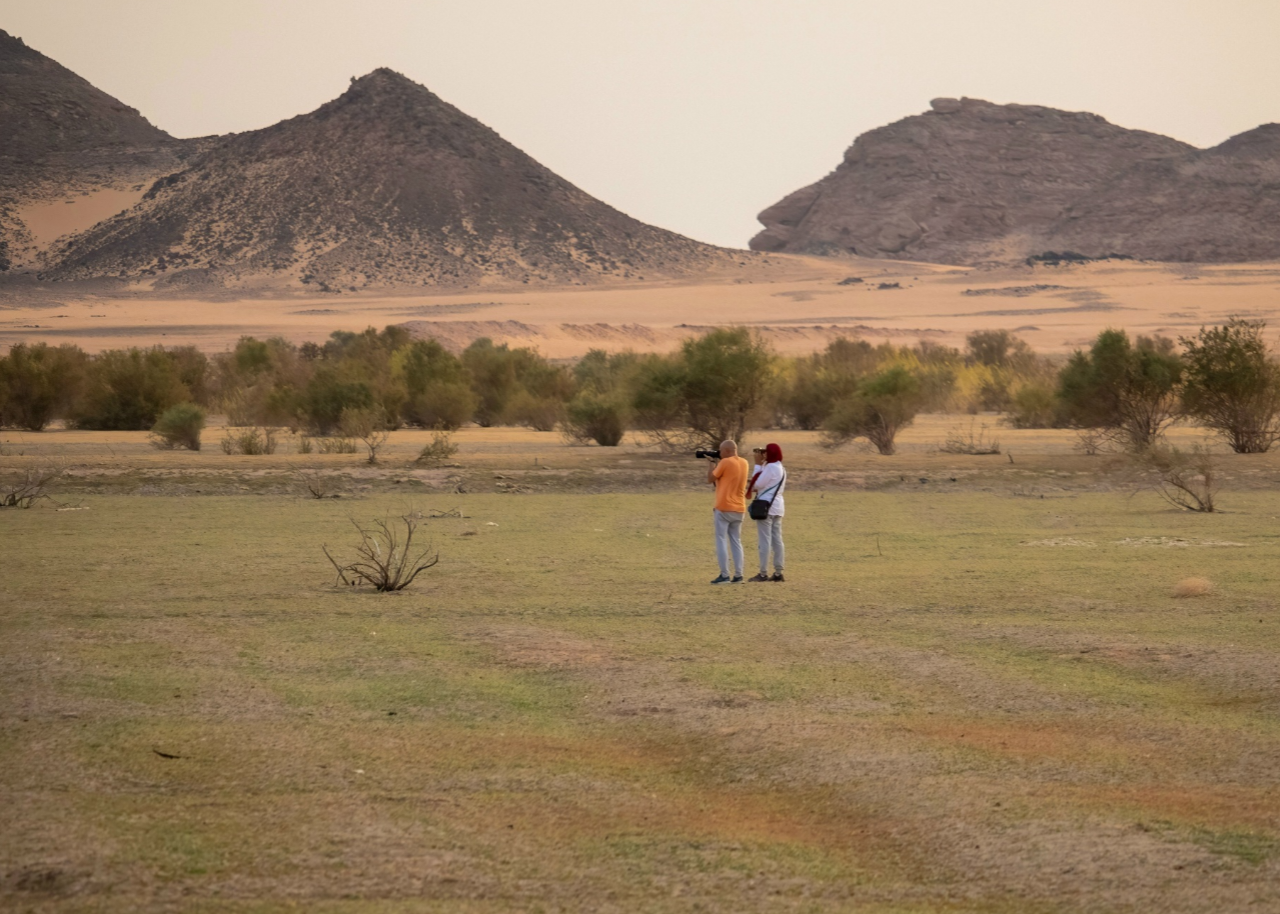
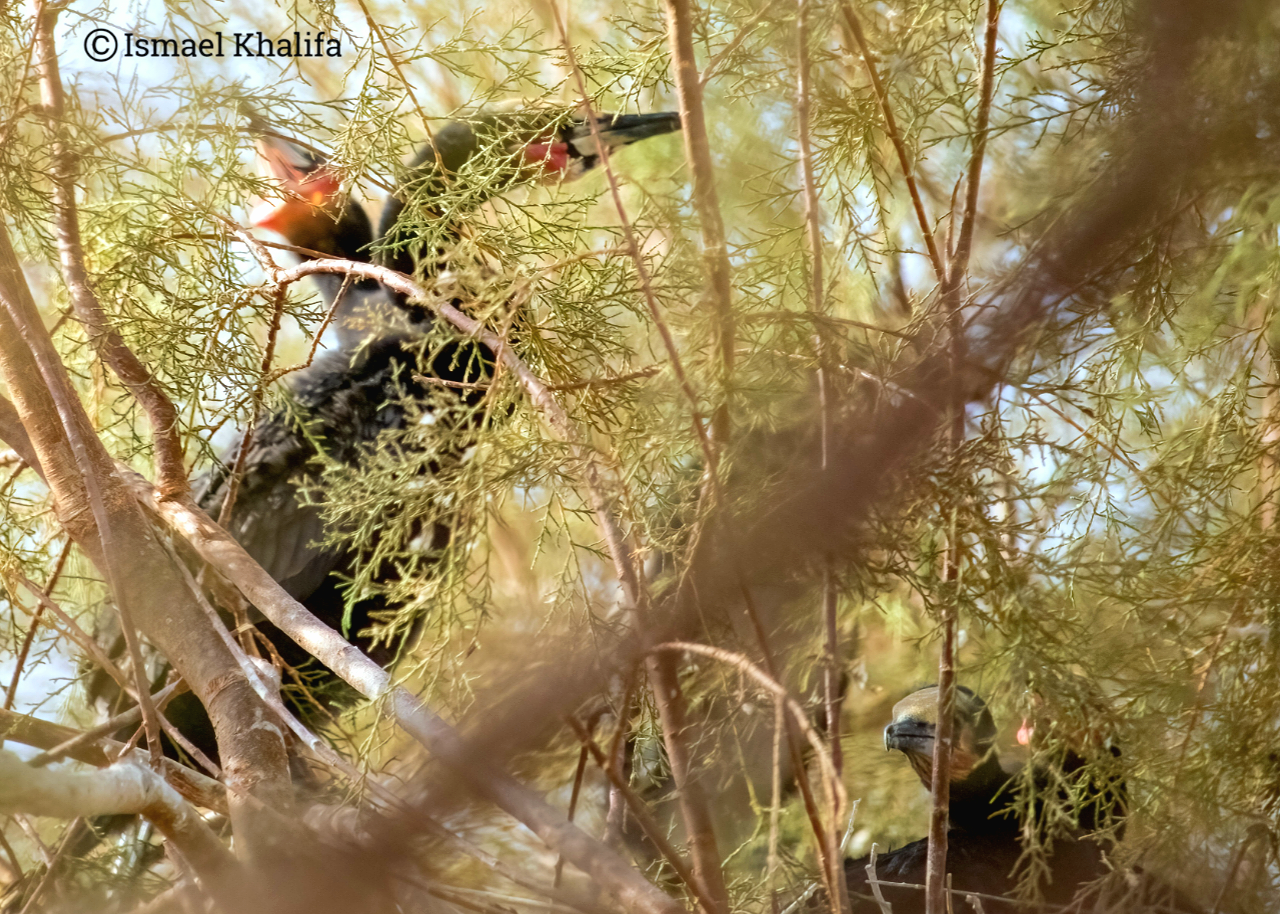
The breeding record was made during a birdwatching trip exploring the remote islands and reed-fringed shores of Lake Nasser near Abu Simbel. While surveying waterbirds and searching for the incredible recently spotted Village Weaver, participants (Noha Mohie, Ahmed Dawood, Ismael Khalifa and Mahmud Elshamy) observed Reed Cormorants exhibiting clear breeding behavior. Further observation revealed active nests and young birds at different stages of development.
The presence of fledged juveniles was particularly significant, as it demonstrated that nesting attempts had been successful and that young birds had already been raised within Egyptian territory. Such evidence provides unequivocal confirmation of local breeding rather than temporary occupancy by wandering individuals.
For the participants on the trip, the moment was unforgettable. What began as a search for the lake’s remarkable diversity of African birds became the documentation of a record that will likely feature prominently in future editions of Egypt’s ornithological literature.
Lake Nasser: A Growing Haven for African Birds
The rediscovery and subsequent breeding of the Reed Cormorant highlight the increasing importance of Lake Nasser as one of the Western Palearctic’s most exciting and least explored birding destinations.
In recent years, the lake has produced an impressive list of notable records and has attracted growing interest from international birders seeking African species within the Western Palearctic region (Village Weaver, Crimson-rumped Waxbill, Yellow-billed Stork, African Pied Wagtail, and Plain Martin).
The successful breeding of the Reed Cormorant adds further evidence that Lake Nasser is not merely a refuge for wandering birds but an ecosystem capable of supporting established breeding populations.
The finding also demonstrates the value of Egypt’s recent conservation measures, including the Ministry of Environment’s decision to prohibit bird hunting on Lake Nasser.
Such protection provides safer conditions for waterbirds and may contribute to the establishment and expansion of breeding populations of sensitive species.