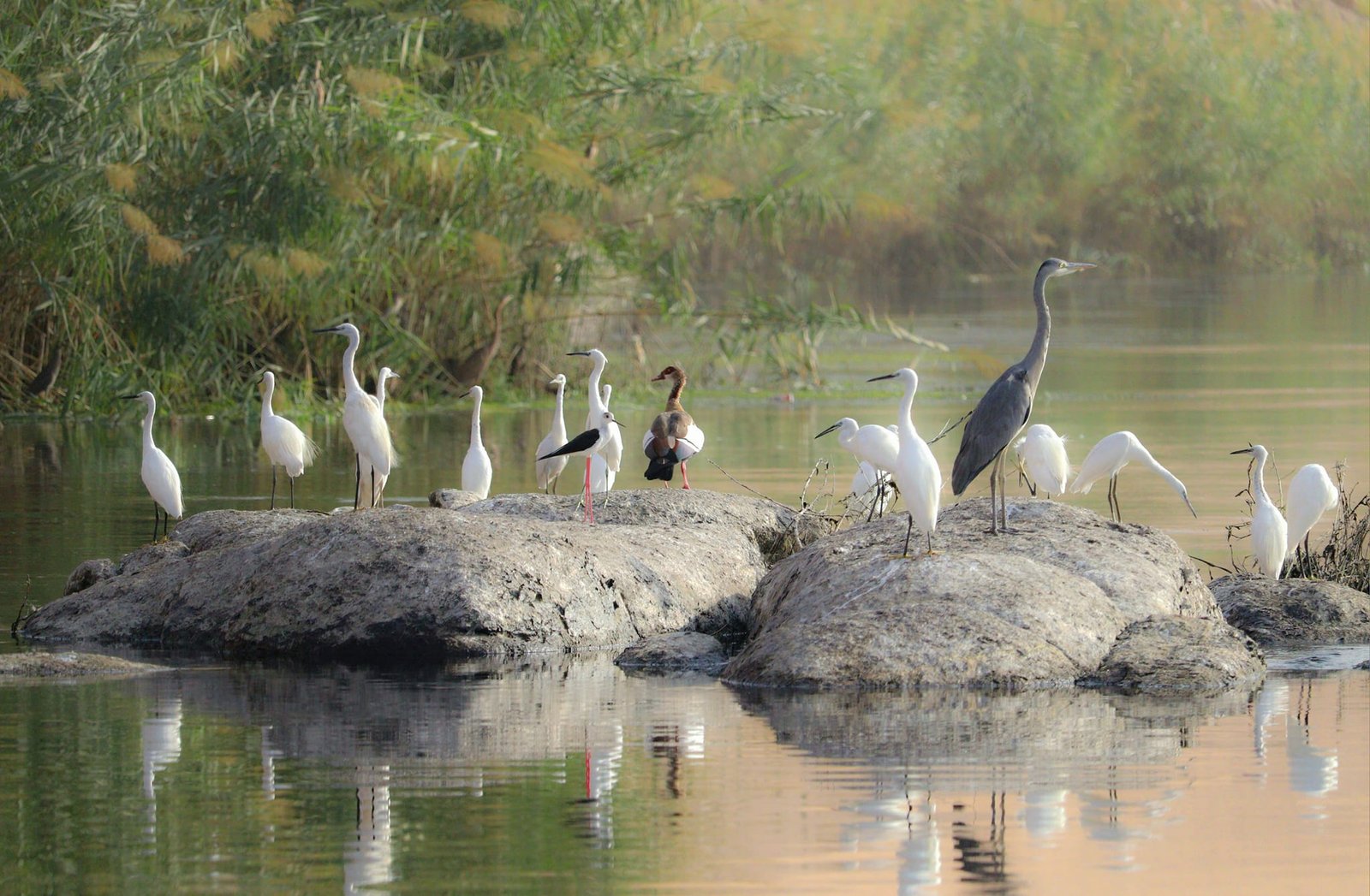
With its beautiful Nile landscapes, lush riverbanks, wetlands and rocky islands, Aswan is a wonderful destination for birdwatching in Egypt. From the iconic Pied Kingfisher to the striking White-crowned Wheatear, the region offers opportunities to spot a fascinating variety of resident birds and seasonal visitors. Whether you’re a keen birder or simply love nature, discover 20 birds you can see in Aswan and where to find them!
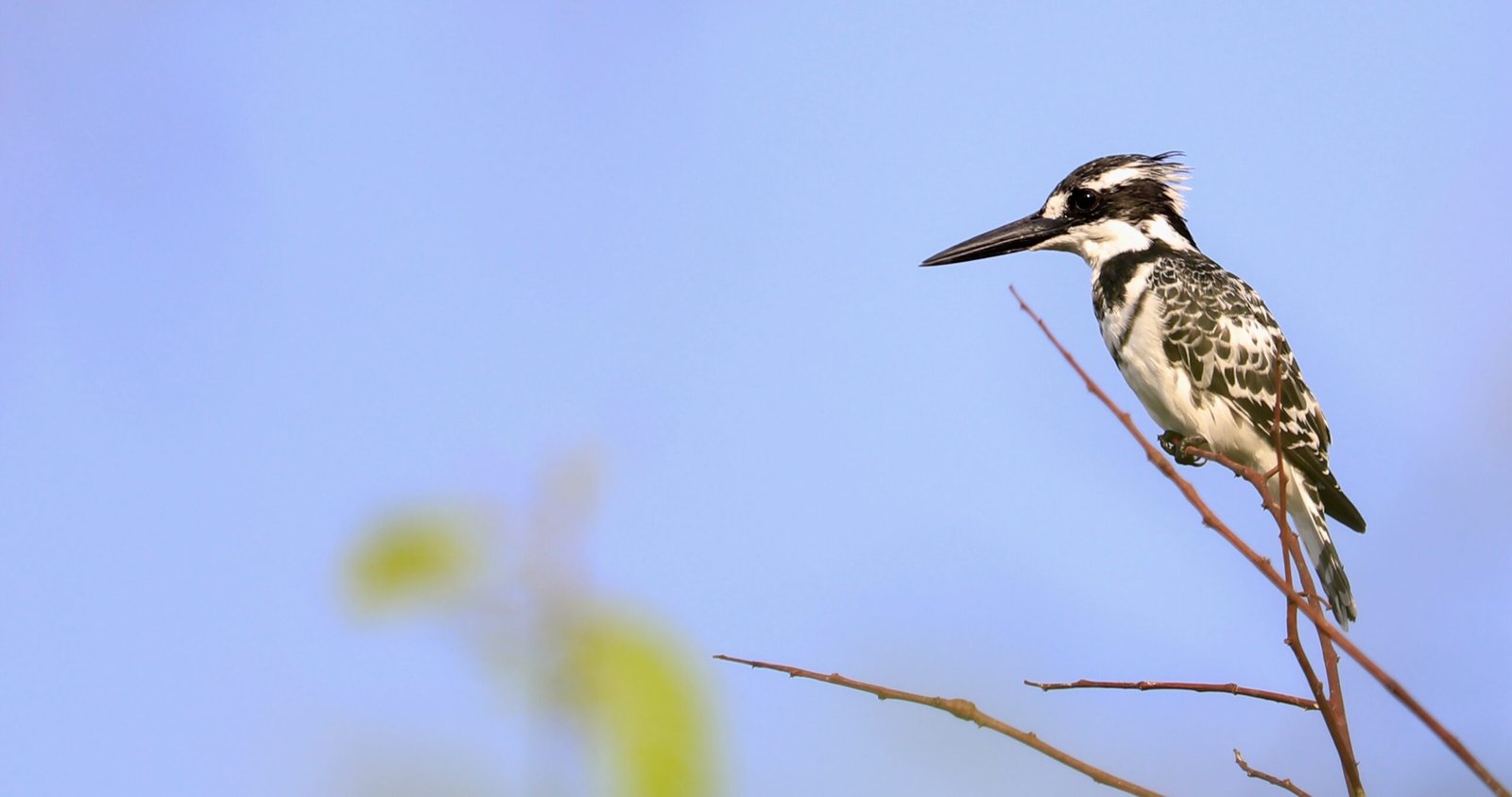
1. Pied Kingfisher (Ceryle rudis)
One of the most recognisable birds along the Nile. This black-and-white kingfisher is famous for hovering above the water before diving to catch fish. Its fishing technique makes it one of the most entertaining birds to watch from a boat.
2. Common Moorhen (Gallinula chloropus)
A familiar wetland bird, easily recognised by its dark plumage, red frontal shield and yellow-tipped bill. It usually moves quietly among aquatic vegetation, swimming in open water or searching for food around reedbeds and riverbanks.
3. Grey Heron (Ardea cinerea)
A large and elegant fishing bird frequently seen standing motionless along the Nile. Its long legs, pointed bill and impressive wingspan make it easy to identify. It patiently waits for fish before striking with remarkable speed.
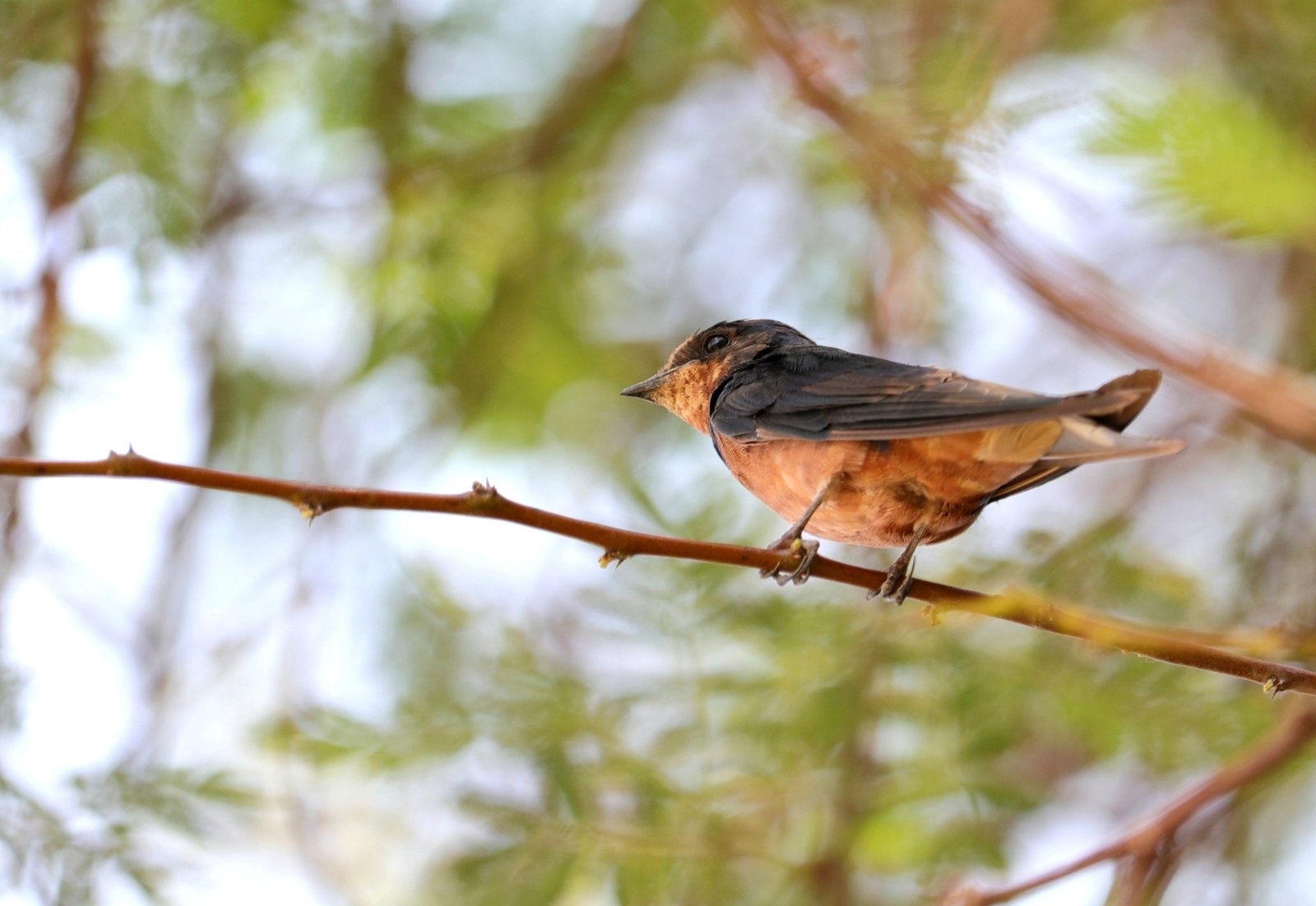
4. Barn Swallow (Hirundo rustica)
A graceful aerial insect hunter with a deeply forked tail and reddish forehead and throat. Swallows can often be seen flying low over the Nile, catching insects in mid-air. Their movements are particularly exciting during migration.
5. Little Egret (Egretta garzetta)
An elegant white heron with a slender black bill, black legs and distinctive yellow feet. It is commonly seen hunting in shallow water, sometimes using its feet to disturb the water and flush out small fish and other prey.
6. Rock Pigeon (Columba livia)
A familiar bird throughout Aswan, particularly around buildings, rocky islands and cliffs. Its original wild habitat is rocky landscapes, making the natural surroundings of Aswan particularly suitable for this species.
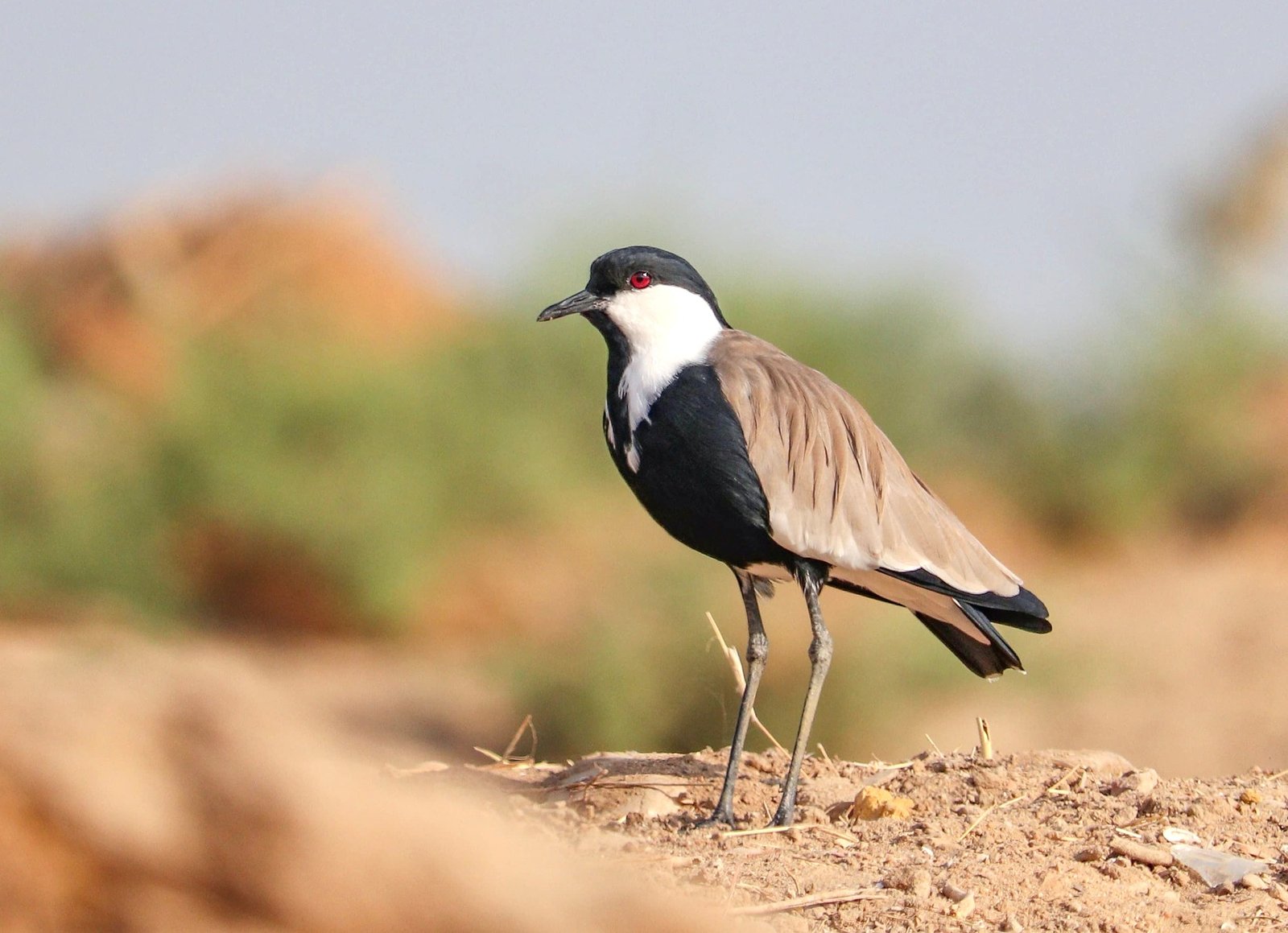
7. Spur-winged Lapwing (Vanellus spinosus)
A noisy and alert wader with a distinctive black-and-white head pattern. It is frequently encountered on sandy riverbanks, exposed islands and open ground. Its loud calls often reveal its presence before it is spotted.
8. House Sparrow (Passer domesticus)
One of the most familiar birds in Aswan’s towns and villages. These social little birds are usually found around houses, restaurants, gardens and agricultural areas, often gathering in noisy flocks.
9. Glossy Ibis (Plegadis falcinellus)
A beautiful dark wading bird whose plumage reveals metallic green, bronze and purple reflections in good light. It uses its long, curved bill to probe soft mud for insects, worms and other small aquatic creatures.
10. Laughing Dove (Spilopelia senegalensis)
A charming small dove with warm pinkish-brown plumage and a distinctive chequered patch on its neck. Its gentle, repetitive call is a familiar sound in gardens and residential areas throughout Aswan.

11. Squacco Heron (Ardeola ralloides)
A small heron with buff-brown plumage that provides excellent camouflage among reeds and vegetation. When it takes flight, its bright white wings create a beautiful contrast. Look for it around shallow water and the edges of wetlands.
12. Hooded Crow (Corvus cornix)
An intelligent and adaptable bird with a distinctive grey body and black head, wings and tail. It is commonly encountered around settlements, agricultural land and the Nile, where it takes advantage of a wide variety of food sources.
13. Cattle Egret (Bubulcus ibis)
Unlike most herons, Cattle Egrets are often found away from water, following livestock or searching for insects in fields. During the breeding season, adults develop beautiful orange-buff feathers on their head, breast and back.
14. Eurasian Hoopoe (Upupa epops)
One of Egypt’s most distinctive birds, recognised by its orange-brown plumage, striking black-and-white wings and impressive crest. It searches for insects and larvae on the ground, often in gardens and cultivated areas.
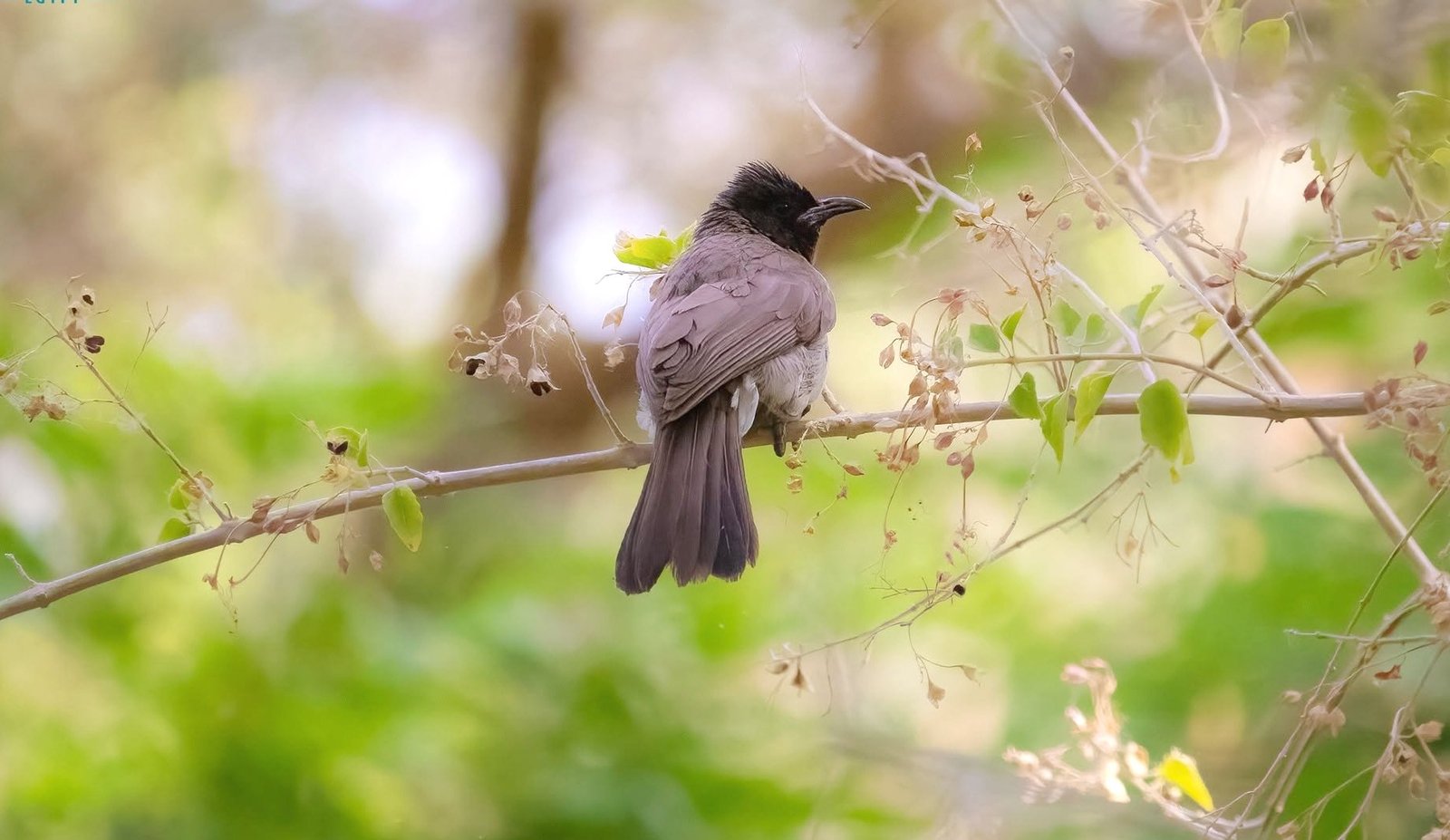
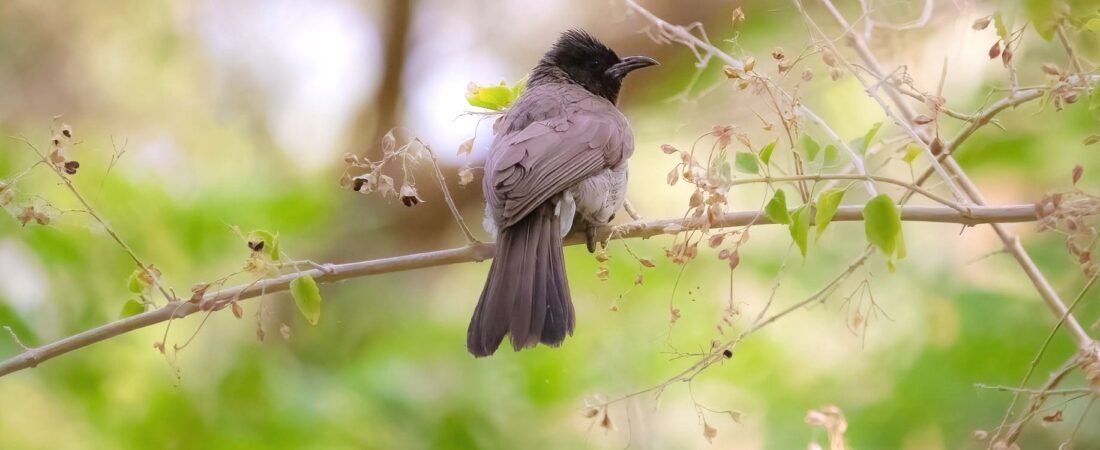
15. Common Bulbul (Pycnonotus barbatus)
A lively and vocal garden bird with brownish-grey plumage, a dark head and a white-tipped tail. Its cheerful calls are part of the everyday soundscape of Aswan. It feeds on fruits, insects and other small food items.
16. Gull-billed Tern (Gelochelidon nilotica)
A fascinating tern with a relatively thick black bill, unlike the slender bills of many other terns. It often hunts insects and other prey over wetlands and open landscapes, rather than relying exclusively on fish.
17. Graceful Prinia (Prinia gracilis)
A small, active bird frequently heard in bushes, reeds and gardens. Its long tail, short rounded wings and distinctive repetitive calls make it an interesting species to observe. It is often easier to hear than to photograph.
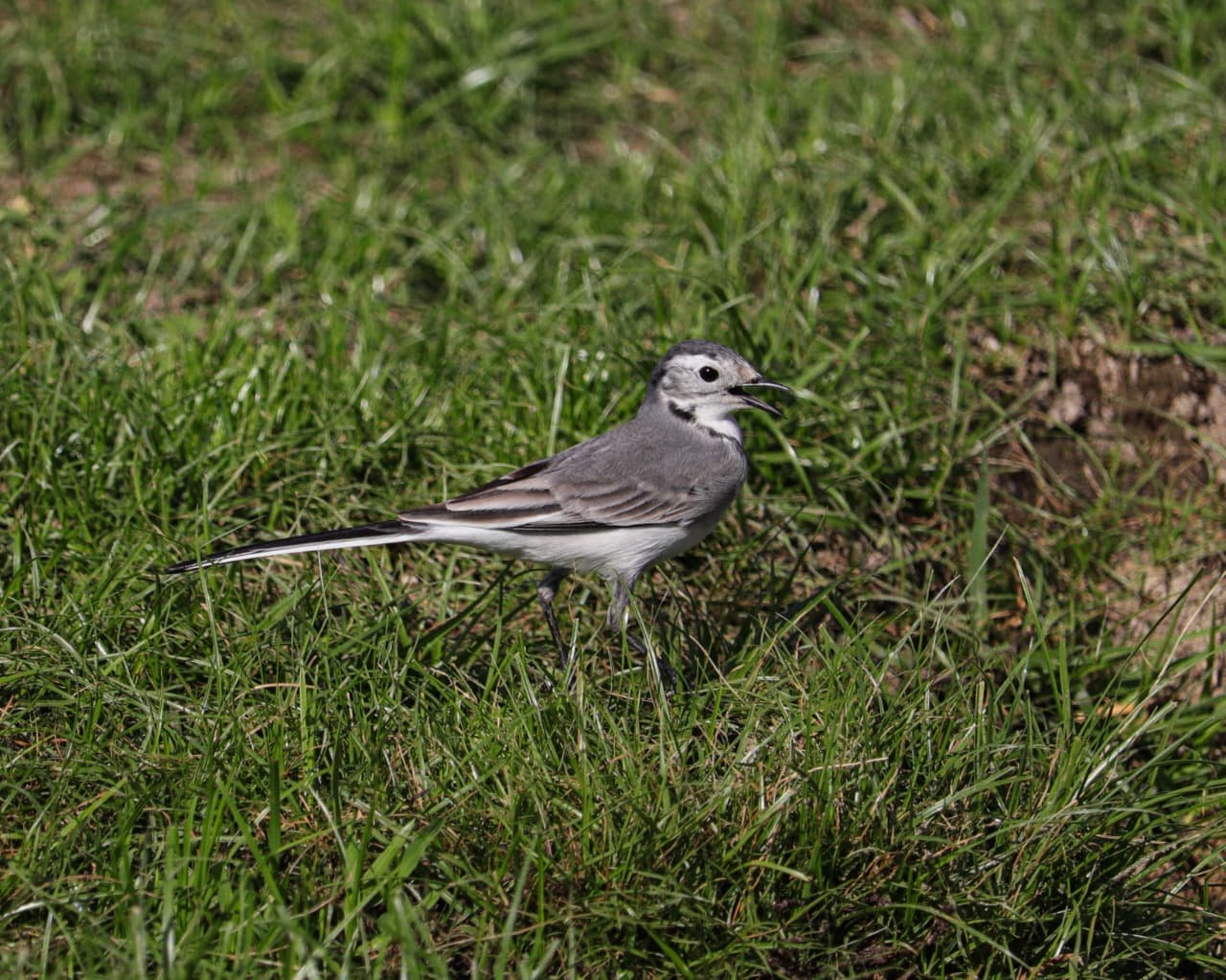
18. White Wagtail (Motacilla alba)
A graceful winter visitor that constantly moves its long tail up and down as it walks along the riverbanks. It is often seen feeding on insects on exposed ground, sandy shores and near water.
19. White-crowned Wheatear (Oenanthe leucopyga)
A striking desert bird with a black body, white crown and white rump. Unlike many birds on this list, it is more closely associated with rocky landscapes and arid surroundings than with the river itself. Look for it around rocky hillsides and desert-edge habitats.
20. Great Cormorant (Phalacrocorax carbo)
A large, dark waterbird and an accomplished underwater fisher. It can often be seen swimming low in the water or resting on exposed rocks and islands with its wings spread to dry after diving. It’s a winter vistor in Aswan.