Ancient Egypt was a civilization deeply connected to nature. The annual flooding of the Nile, the surrounding deserts, and the rich birdlife of the river valley all played an important role in shaping Egyptian culture and religion.
Birds were not merely part of the landscape; they were powerful symbols associated with gods, kingship, protection, wisdom, and the afterlife.
Today, birdwatchers exploring the Nile around Aswan can still encounter species that resemble the birds revered by the pharaohs thousands of years ago. Understanding these ancient bird symbols offers a fascinating perspective on both Egypt’s natural heritage and its remarkable civilization.
Why Birds Were Important in Ancient Egypt
The Nile Valley served as one of the world’s most important migration routes, attracting countless birds from Africa, Europe, and Asia. Ancient Egyptians closely observed these birds and incorporated them into their art, writing, mythology, and religious beliefs.
Birds represented freedom, the heavens, divine power, and the connection between the earthly and spiritual worlds. Their ability to fly made them natural symbols of the soul and the gods.
The Falcon: Symbol of Horus and Royal Power
No bird was more important in ancient Egypt than the falcon.
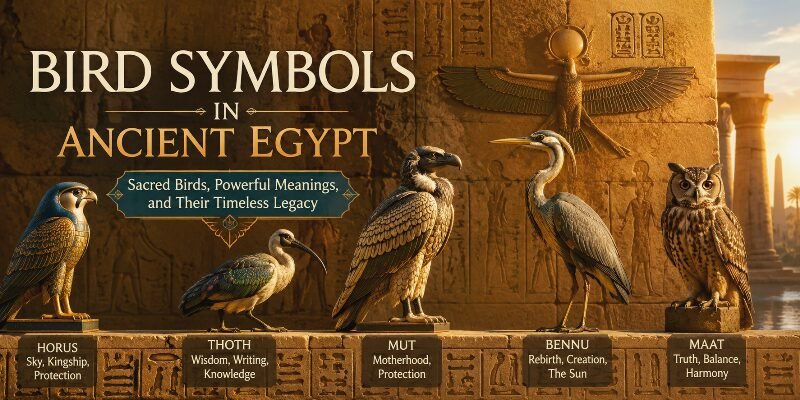
The god Horus, one of the most significant deities in Egyptian mythology, was depicted as a falcon or as a man with a falcon’s head. Horus symbolized kingship, protection, and divine authority. Egyptian pharaohs were considered earthly manifestations of Horus, and the falcon became a powerful emblem of royal power.
Many historians believe that the sacred falcon was inspired by species such as the Peregrine Falcon or the Lanner Falcon, both of which occur in Egypt.
Ancient temples often featured falcon statues, and falcon imagery remains one of the most recognizable symbols of ancient Egyptian civilization
The Sacred Ibis: Bird of Wisdom and Knowledge
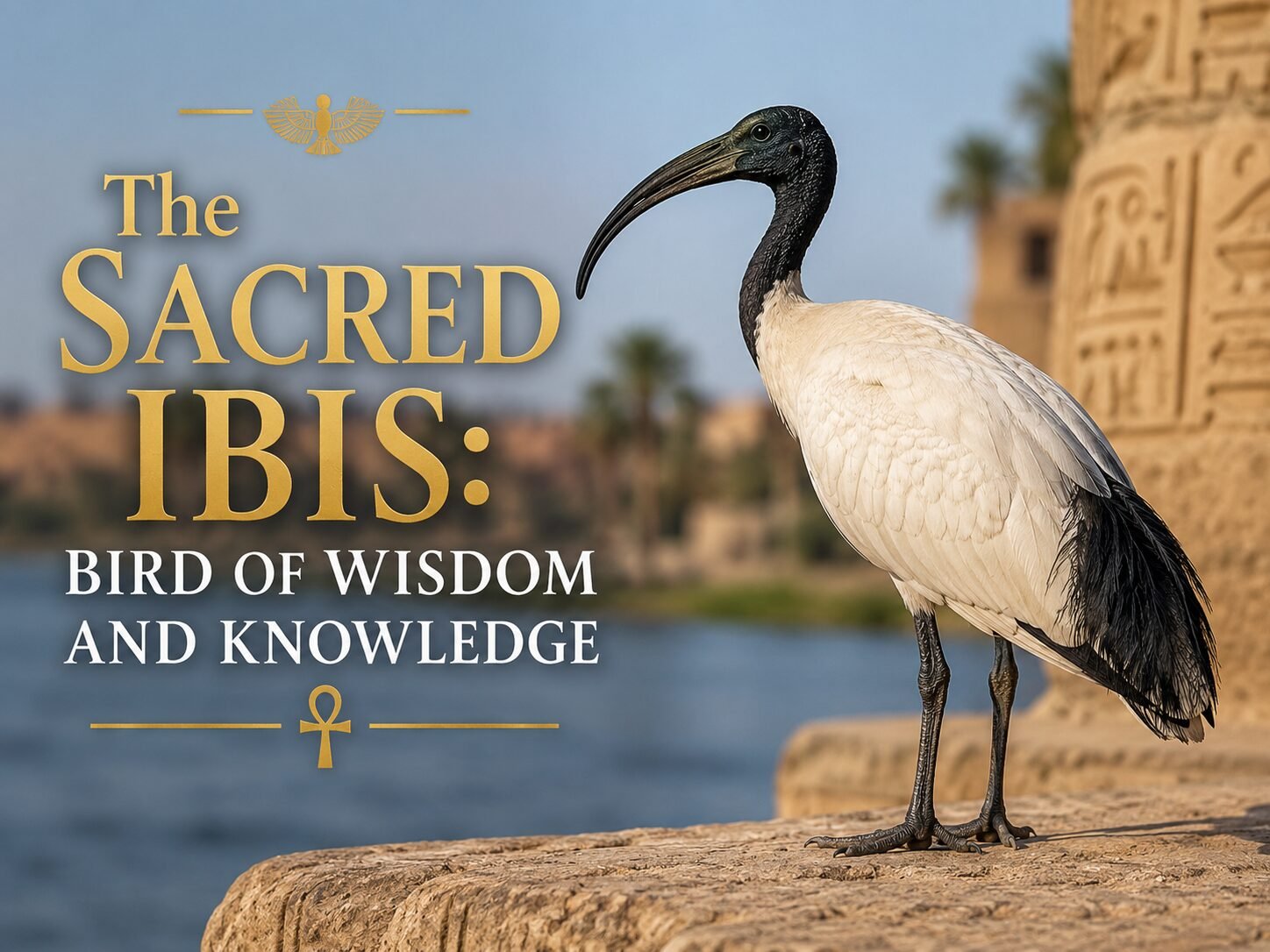
The Sacred Ibis held a special place in Egyptian religion because it was associated with Thoth, the god of wisdom, writing, science, and knowledge.
Thoth was usually depicted as a man with the head of an ibis. Ancient Egyptians admired the bird’s distinctive curved bill and elegant appearance, viewing it as a symbol of intelligence and learning.
Millions of Sacred Ibises were bred and mummified as religious offerings throughout Egypt. Although the species disappeared from Egypt centuries ago, it remains one of the most iconic birds of ancient Egyptian culture.
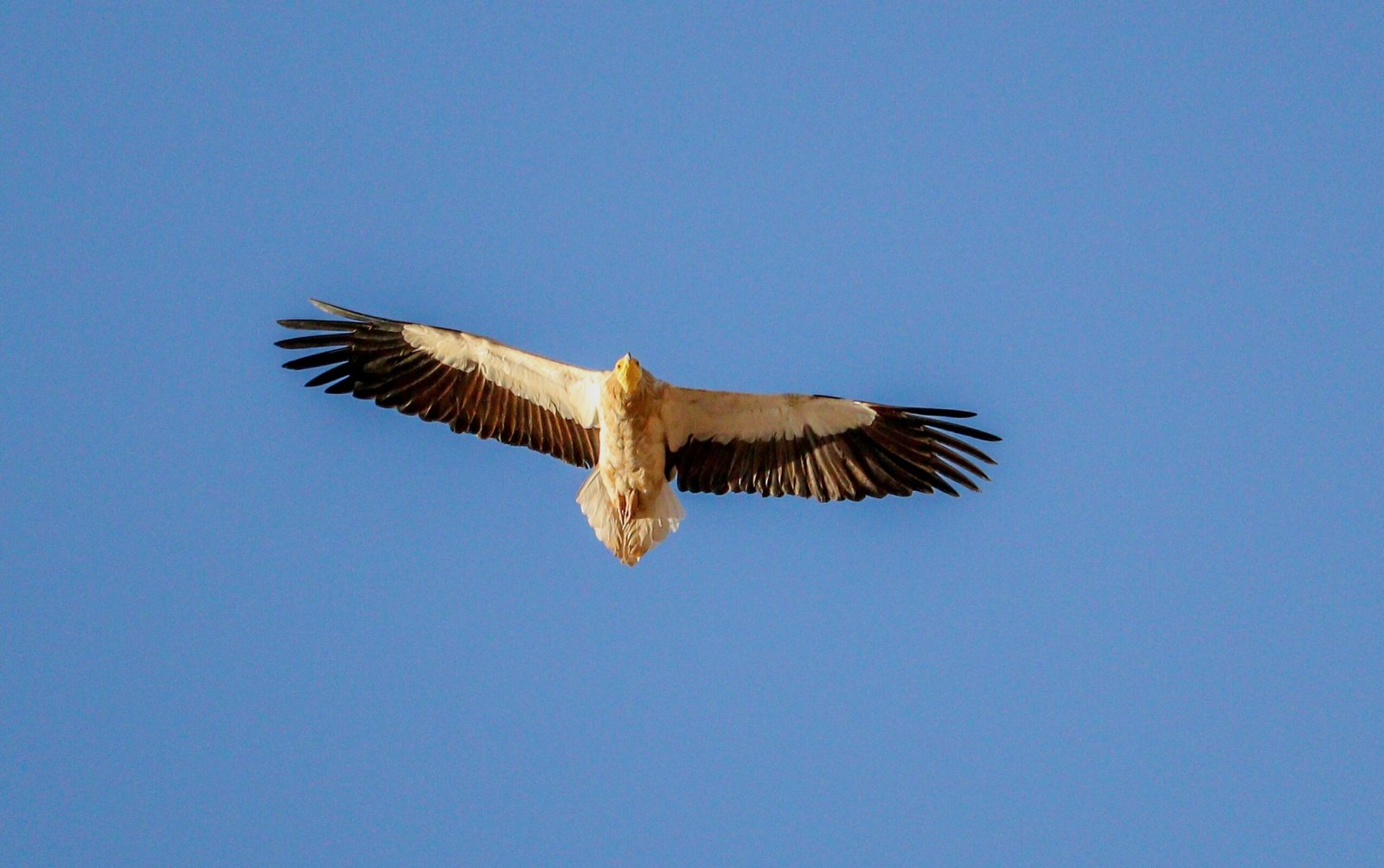
The Vulture: Protector of Upper Egypt
Unlike modern perceptions of vultures, ancient Egyptians viewed these birds as symbols of protection and motherhood.
The goddess Nekhbet, protector of Upper Egypt, was represented as a vulture. She was often shown spreading her wings over the pharaoh, offering divine protection.
The Egyptian Vulture and other large vultures soaring over the Nile Valley likely inspired this symbolism. The widespread image of a vulture with outstretched wings became one of the most important protective symbols in Egyptian art.
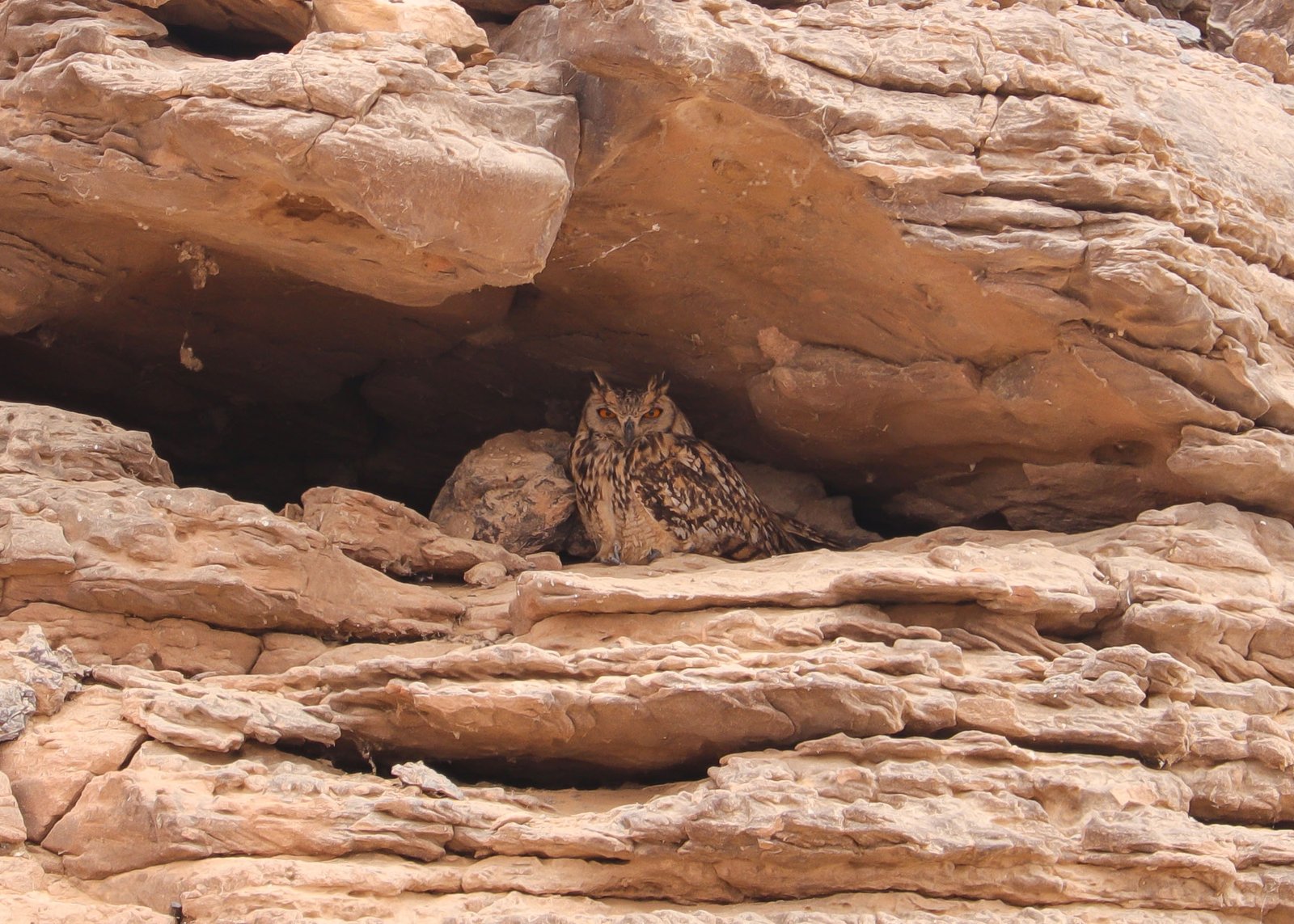
The Owl: Symbol of Night and Mystery
The owl appears frequently in Egyptian hieroglyphs and represented the sound “M” in the ancient writing system.
Although owls were not worshipped as major deities, they were associated with darkness, the night, and the mysterious world beyond human sight. Their silent flight and nocturnal habits undoubtedly fascinated ancient observers.
Today, birders in Upper Egypt may still encounter species such as the Pharaoh Eagle-Owl, whose haunting calls echo across the desert landscapes around Aswan.

The Goose: Symbol of Creation
Geese held an important role in Egyptian creation myths. According to some traditions, a cosmic goose laid the primordial egg from which the sun emerged.
The god Geb, associated with the earth, was sometimes represented by a goose. Because geese were common along the Nile, they became symbols of fertility, abundance, and the life-giving power of nature.
Ancient tomb paintings frequently depict goose hunting and domestication, demonstrating the bird’s cultural and economic importance.
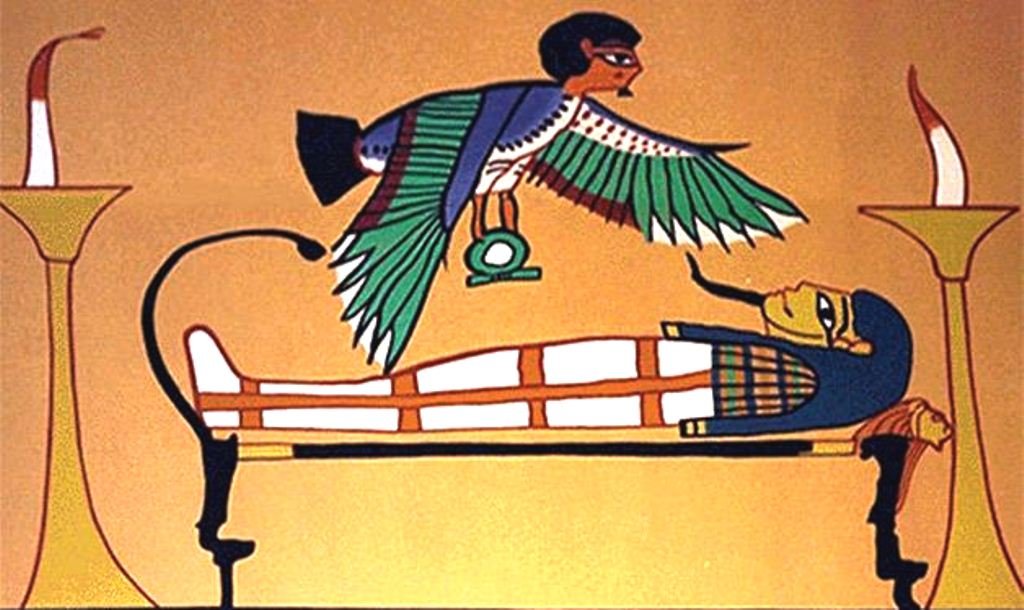
The Ba Bird: The Soul in Flight
One of the most fascinating bird symbols in ancient Egypt was the Ba.
The Ba represented an aspect of the human soul and was often depicted as a bird with a human head. Egyptians believed that after death, the Ba could leave the tomb, travel freely between worlds, and return to the deceased.
This imagery reflects a profound connection between birds and the concept of spiritual freedom. It remains one of the most distinctive symbols in Egyptian funerary art.
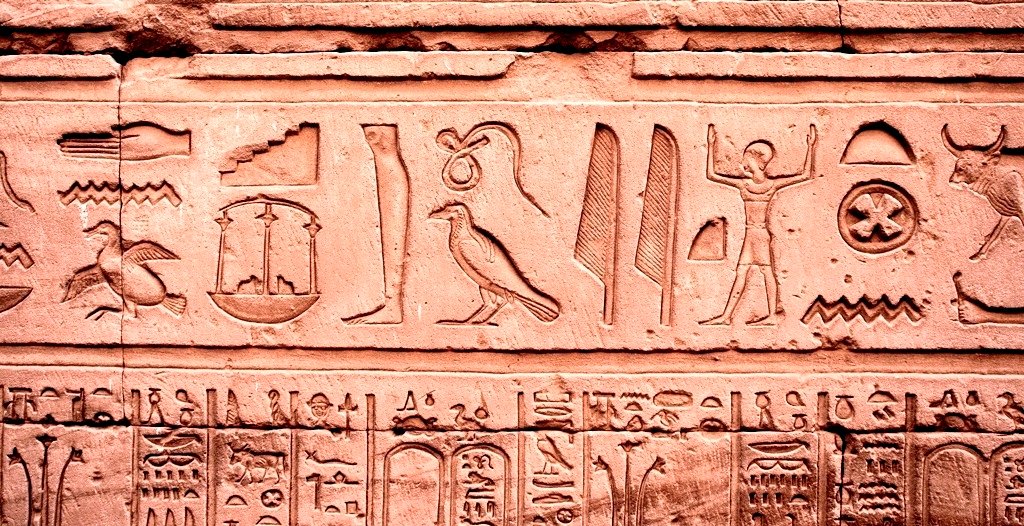
Birds in Egyptian Hieroglyphs
Birds were not only religious symbols but also essential elements of the Egyptian writing system.
Several bird species appear in hieroglyphic texts, including:
- Falcons
- Owls
- Quail chicks
- Vultures
- Ducks
- Geese
- Ibises
These symbols represented sounds, words, and concepts, demonstrating how closely ancient Egyptians observed the birdlife around them.
Birdwatching Through the Eyes of the Pharaohs
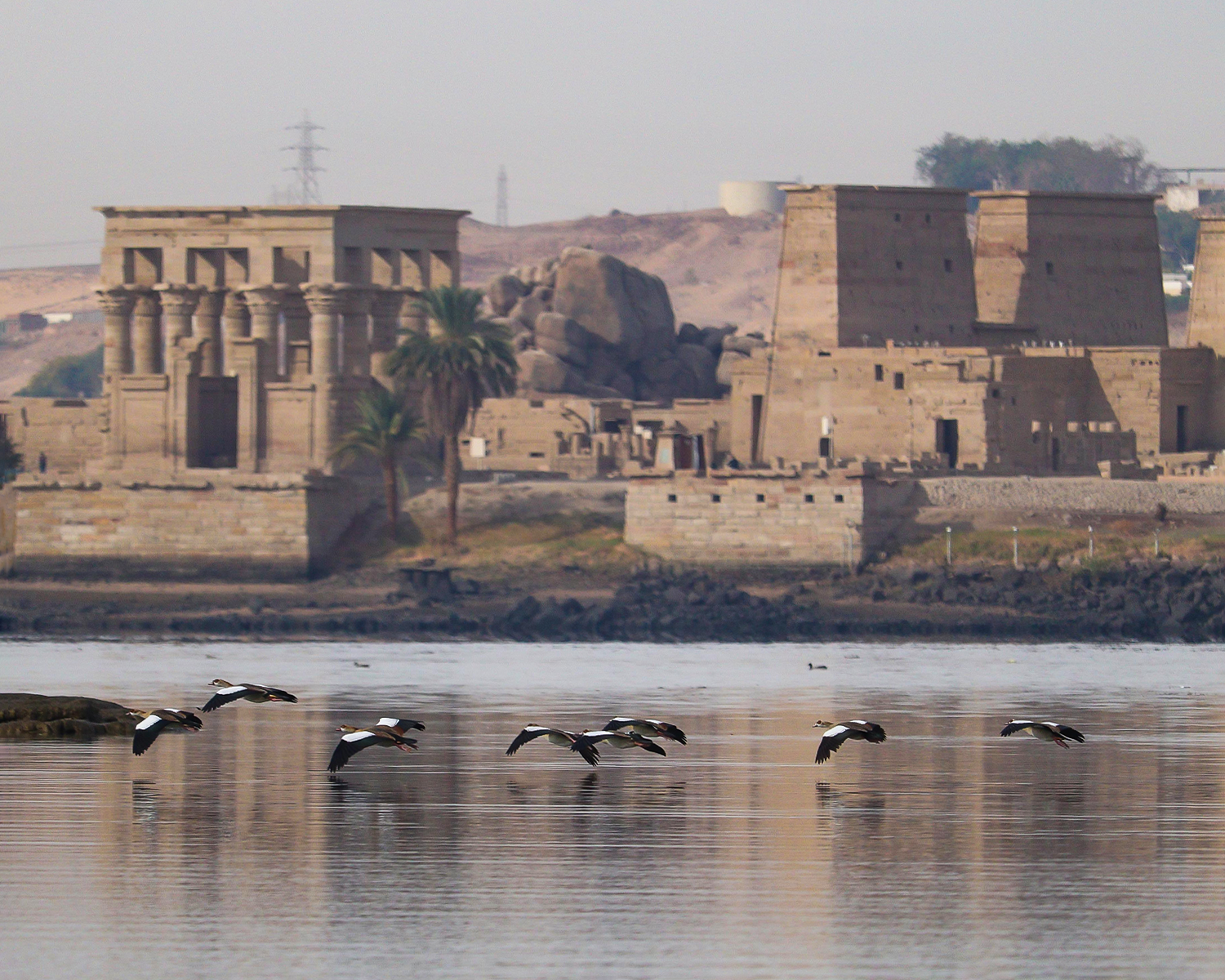
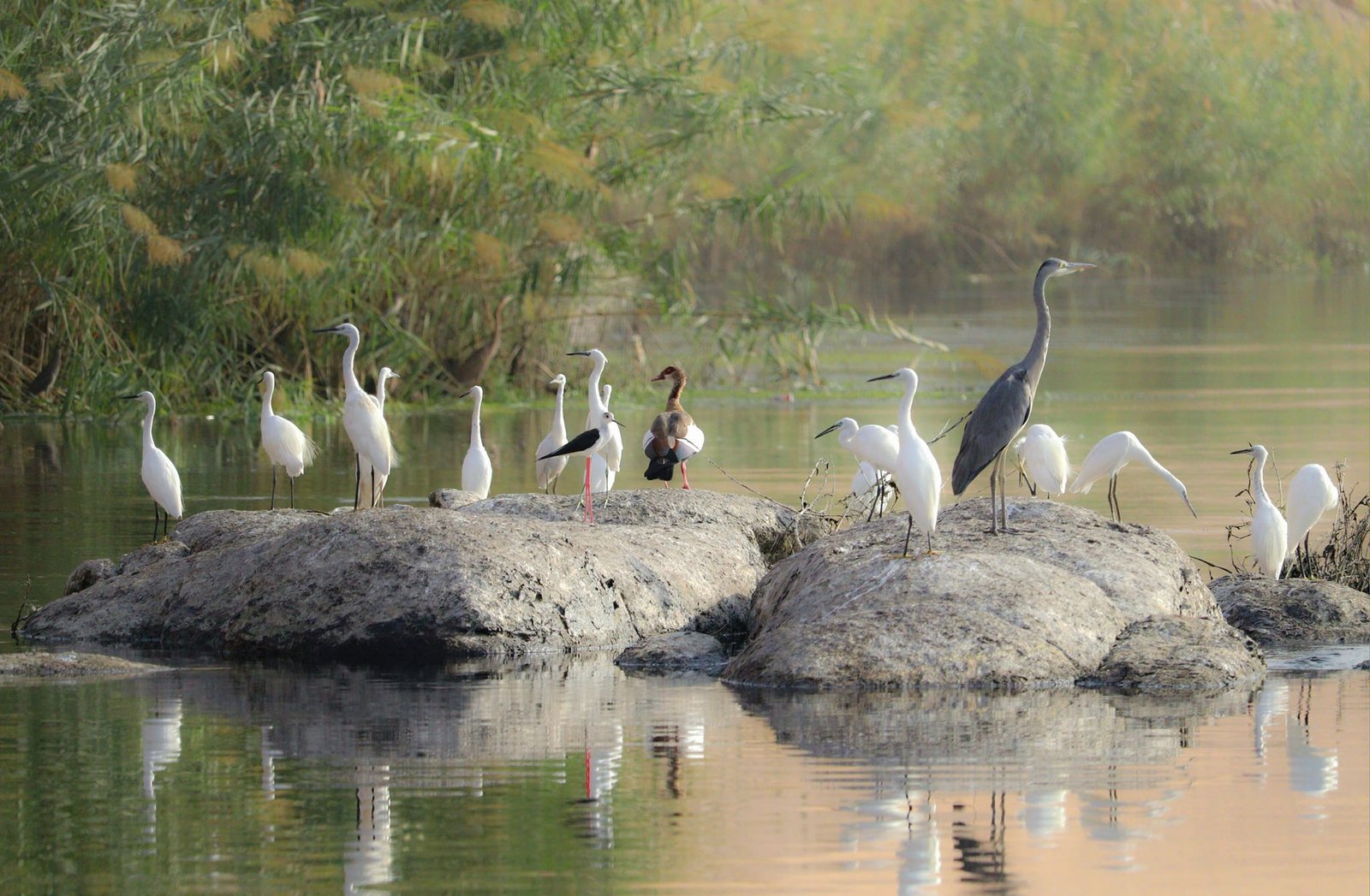
Modern birdwatchers exploring Aswan experience many of the same landscapes that inspired ancient Egyptian artists and priests. The Nile islands, reedbeds, cliffs, and desert wadis continue to host a remarkable diversity of birds.
Watching a falcon soaring above the river, observing herons along the shoreline, or listening to birdsong among the palms offers a glimpse into the natural world that shaped one of humanity’s greatest civilizations.
For birders, Egypt is more than a destination for rare species. It is a place where nature, history, and culture are intertwined in a way found nowhere else on Earth.
Birds played a central role in ancient Egyptian religion, mythology, and daily life. From the falcon of Horus and the ibis of Thoth to the vulture of Nekhbet and the soul-like Ba bird, these creatures symbolized power, wisdom, protection, and the journey to the afterlife.
Today, the birds of the Nile continue to inspire wonder, connecting modern birdwatchers with a tradition of observation and appreciation that stretches back more than 5,000 years.