
Most people picture pyramids and temples when they think of Egypt. Birders picture something else entirely: a narrow green ribbon of river cutting through the Sahara, a scatter of Red Sea islands loud with terns, and a southern lake where birds you’d expect in Kenya or Uganda turn up on the edge of the Nubian desert.
Egypt sits at a genuine crossroads — Palearctic migrants funnel through on their way to and from Europe and Central Asia, Afrotropical species reach the very northern edge of their range around Aswan and Lake Nasser, and a handful of desert and Middle Eastern specialities exist almost nowhere else in the Western Palearctic. That combination is rare. It’s the reason a country most people associate purely with archaeology has quietly become one of the most rewarding — and most underrated — birding destinations in the region.
This guide for birdwatching in Egypt covers 20 species worth building a trip around, and where in Egypt you’re most likely to actually find them.
Why Is Egypt Good for Birdwatching?
Geography does most of the work here. Egypt straddles two continents and sits directly on one of the world’s great migration flyways, the same corridor that carries storks, raptors, and waterbirds between their Eurasian breeding grounds and their African wintering areas twice a year.
The Nile Valley acts as a green highway through otherwise inhospitable desert, concentrating migrants into a narrow, birdable strip. The Gulf of Suez and the Red Sea coast form a classic raptor migration bottleneck. And in the far south, Lake Nasser and the area around Aswan mark the point where genuinely African birdlife, species you’d otherwise need to travel to Uganda or Kenya to see, pushes north into the Western Palearctic.
Add wintering wetland birds in the Delta, desert specialities in the Western Desert oases, and a short list of Sinai endemics, and you get a country with a genuinely broad and unusual bird list for its size.
20 Birds Every Birder Should Look for in Egypt
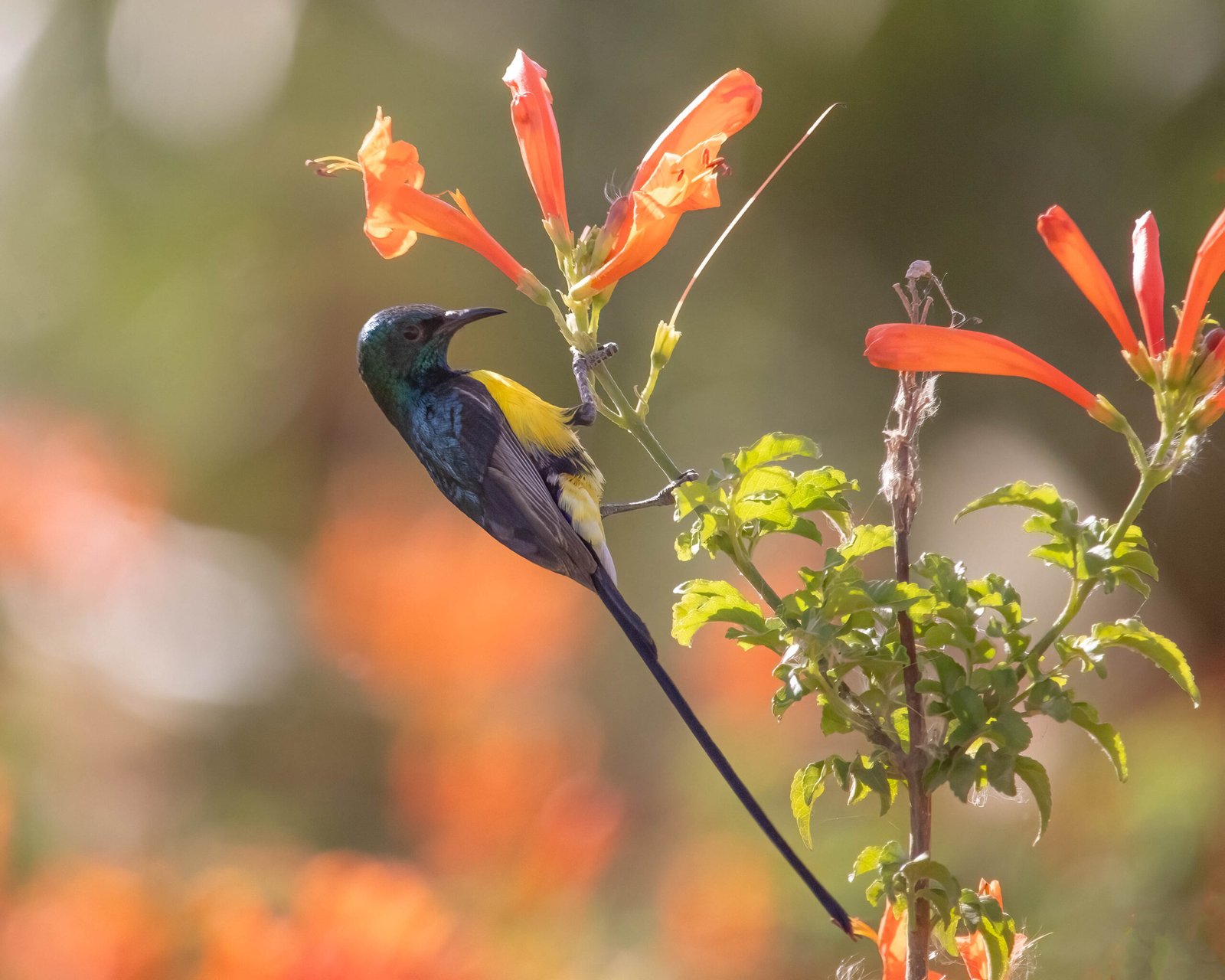
1. Nile Valley Sunbird
Identification: Tiny and iridescent — males flash metallic green, purple, and copper depending on the light; females are a plainer olive-grey. Long, thin decurved bill built for nectar feeding.
Habitat: Flowering trees and shrubs, gardens, and riverside vegetation.
Best location: Aswan, along the Nile corniche and hotel gardens.
Best season: Year-round resident; most active and vocal in spring.
Difficulty: Easy — one of the most reliable species in Aswan.
2. African Pied Wagtail
Identification: Bold black-and-white plumage, constantly bobbing tail, confident and often approachable.
Habitat: Lakeshores, riverbanks, boats, and jetties.
Best location: Abu Simbel and Lake Nasser.
Best season: Year-round, but most conspicuous in summer at Abu Simbel.
Difficulty: Moderate — a genuine Western Palearctic speciality found reliably at only a handful of sites in Egypt.
3. Senegal Thick-knee
Identification: Large, cryptically patterned, huge yellow eyes built for night vision.
Habitat: Rocky Nile islands, sandy riverbanks.
Best location: Aswan, especially at dusk.
Best season: Year-round resident.
Difficulty: Moderate by day (excellent camouflage), easy by ear at dusk.
4. Pied Kingfisher
Identification: Unmistakable black-and-white kingfisher, famous for hovering in mid-air over open water before plunge-diving.
Habitat: Rivers, lakes, open water with fish.
Best location: Common throughout the Nile Valley; especially reliable in Aswan.
Best season: Year-round.
Difficulty: Easy.
5. White-throated Kingfisher
Identification: Chestnut body, brilliant blue wings, oversized red bill, loud laughing call.
Habitat: Riverbanks, wires, and open perches near water.
Best location: Nile Valley, Aswan, Cairo waterways.
Best season: Year-round.
Difficulty: Easy.
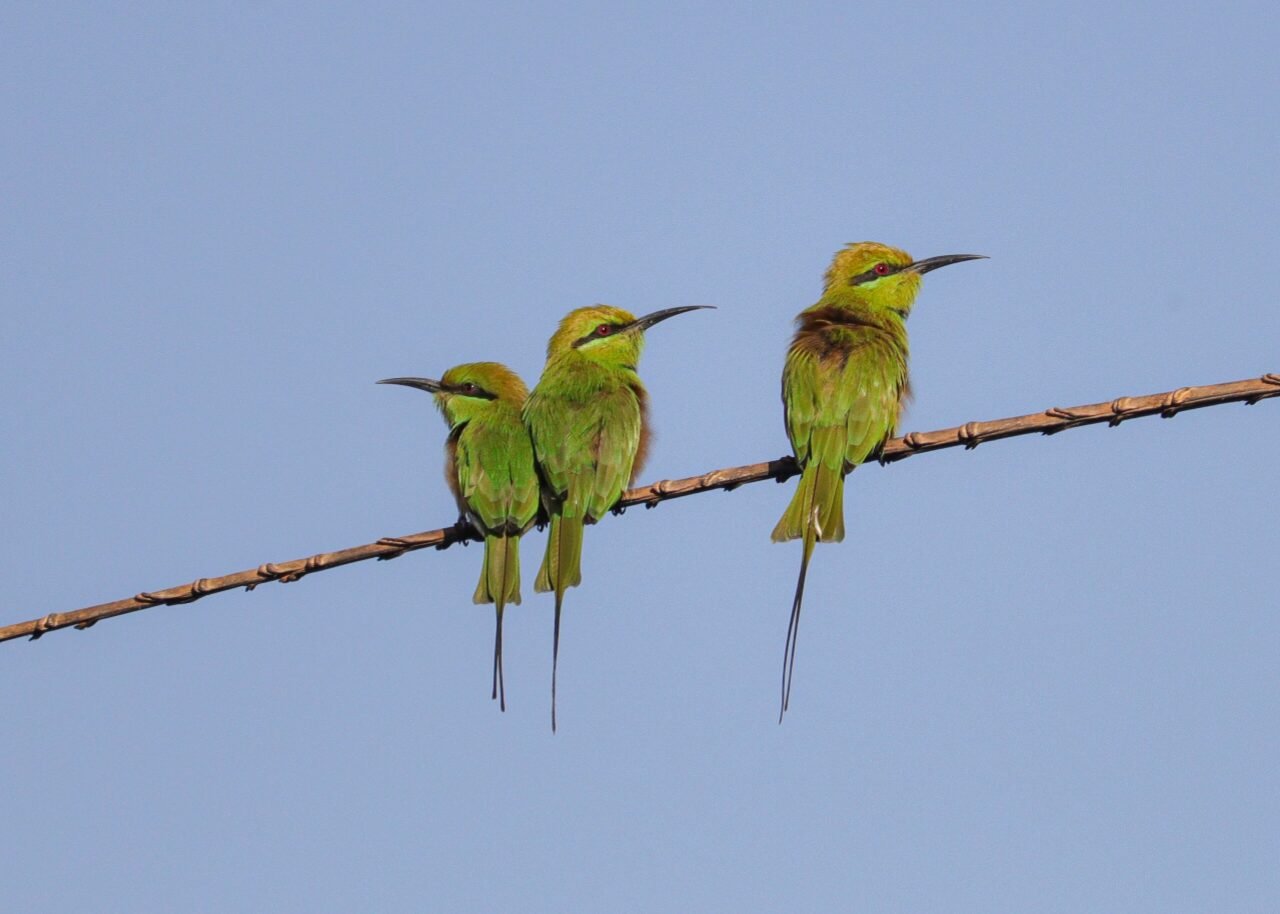
6. African Green Bee-eater
Identification: Slim, emerald green, elegant tail streamers, hawks insects from perches.
Habitat: Open areas near water, gardens, riverside vegetation.
Best location: Aswan and the Nile Valley generally.
Best season: Year-round, most active mid-morning.
Difficulty: Easy.
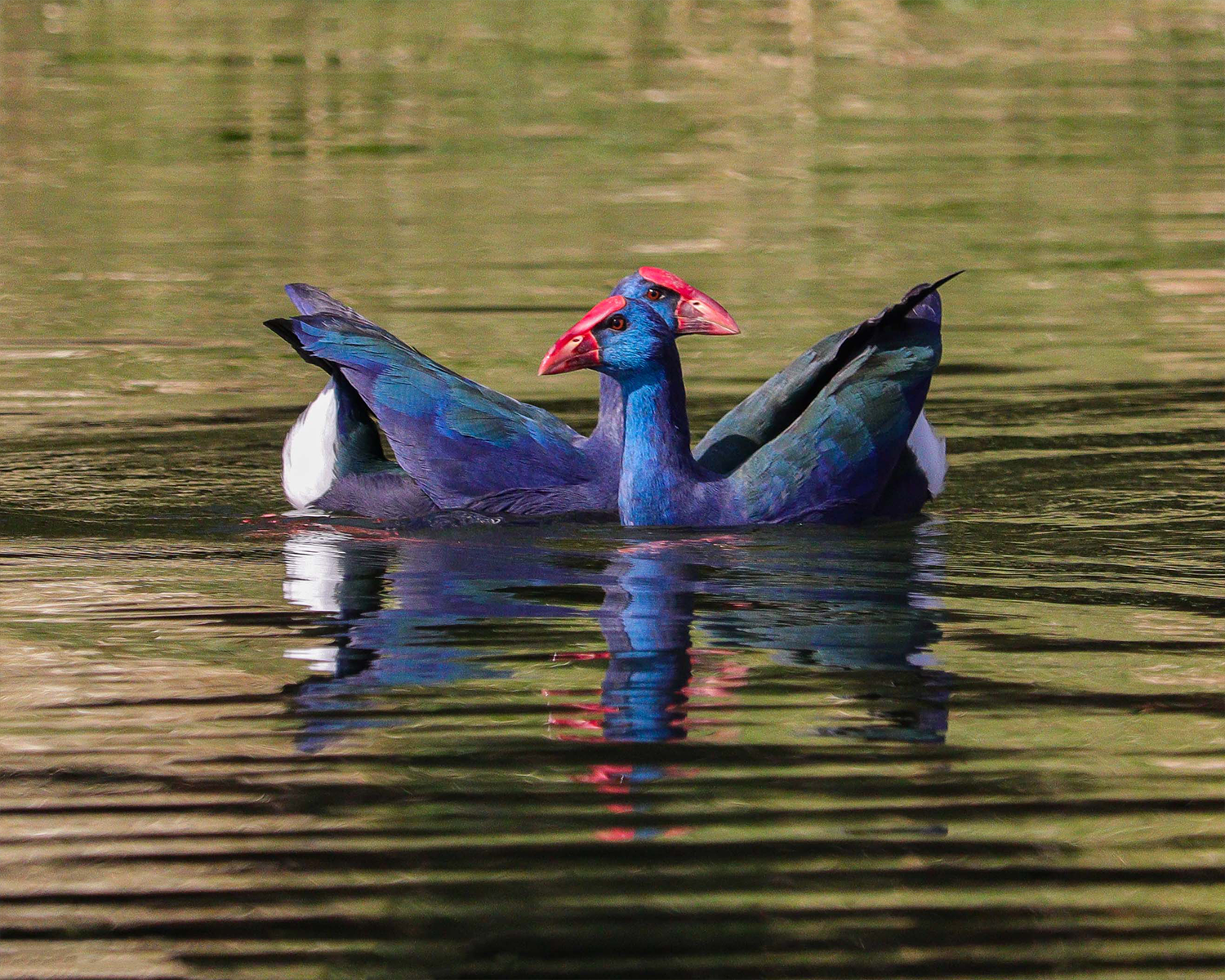
7. African Swamphen
Identification: Large, deep blue-purple, bright red bill and frontal shield, walks deliberately through reeds.
Habitat: Reedbeds and marsh vegetation.
Best location: Aswan’s Nile islands, also found around Cairo wetlands.
Best season: Year-round.
Difficulty: Easy to moderate.
8. Little Heron
Identification: Small, hunched, streaky and superbly camouflaged; hunts by patient ambush at the water’s edge.
Habitat: Rocky riverbanks, reed margins.
Best location: Aswan’s Nile islands, where it also breeds.
Best season: Year-round resident.
Difficulty: Moderate — easy to overlook despite being common.
9. Yellow-billed Stork
Identification: Large, white-bodied stork with a bright yellow bill and bare red face.
Habitat: Shallow lake margins and lagoons.
Best location: Lake Nasser, especially around Abu Simbel.
Best season: April to August; a genuine Afrotropical speciality with some of the highest counts ever recorded in the Western Palearctic occurring here.
Difficulty: Moderate — seasonal and site-specific, but reliable in the right window.
10. Reed Cormorant
Identification: Small, slim cormorant, often seen perched with wings spread to dry.
Habitat: Lake margins and reed-fringed shorelines.
Best location: Lake Nasser.
Best season: Year-round; recently recolonized Egypt after more than a century’s absence, with confirmed breeding now taking place.
Difficulty: Moderate — a genuinely exciting record for anyone following Egyptian ornithology closely.
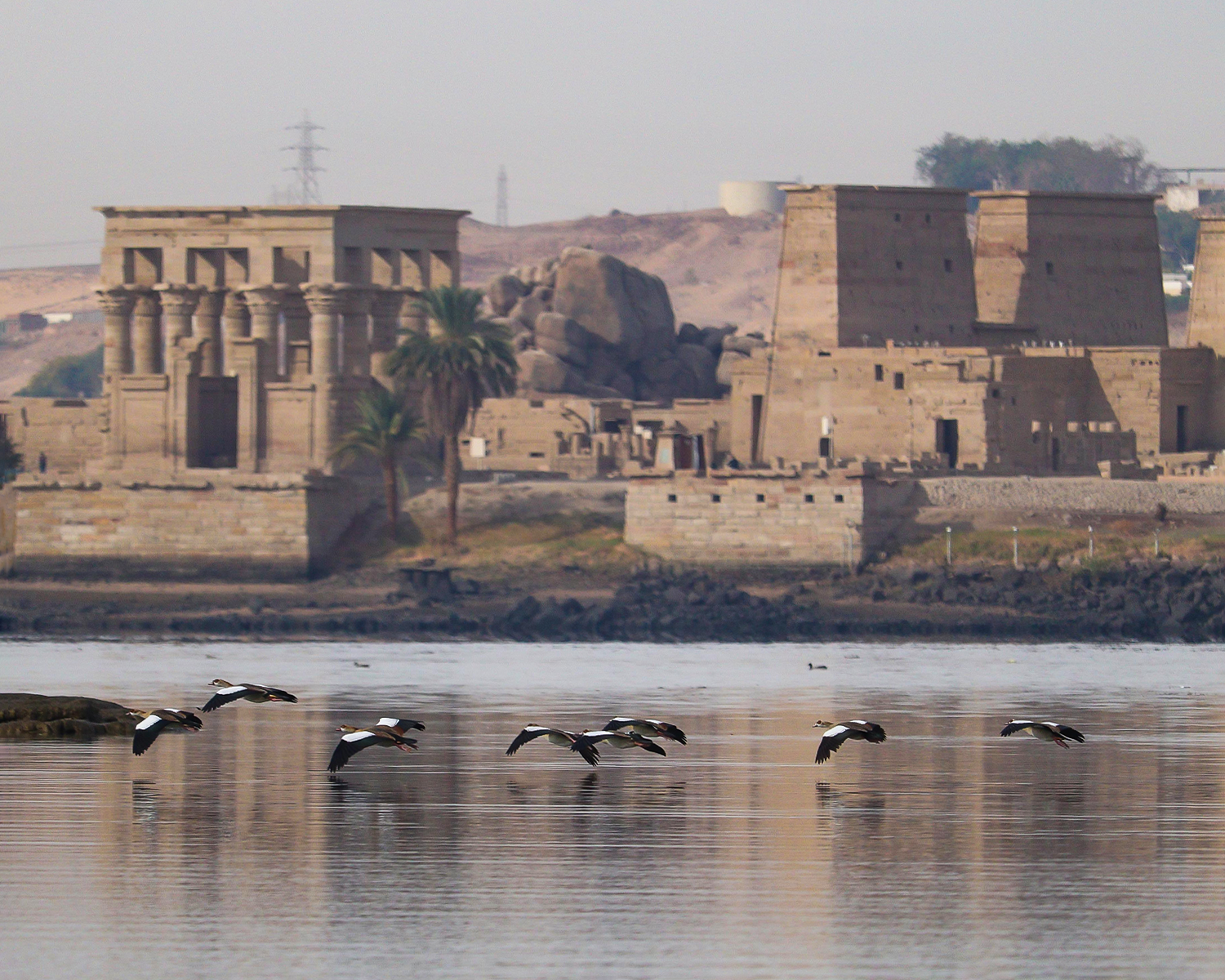
11. Egyptian Goose
Identification: Large, distinctively marked with a dark eye patch and chestnut breast spot, loud and conspicuous.
Habitat: Riverbanks, sandbars, open water.
Best location: Widespread along the Nile, especially Aswan.
Best season: Year-round.
Difficulty: Very easy — one of the most visible birds in Egypt.
12. Ferruginous Duck
Identification: Rich chestnut diving duck with a pale eye, dumpy build.
Habitat: Calm lagoons and backwaters, away from boat traffic.
Best location: Aswan’s quieter Nile margins.
Best season: Most reliable in winter (November–March).
Difficulty: Moderate — a globally Near Threatened species, making every sighting worthwhile.
13. Village Weaver
Identification: Bright yellow male in breeding plumage with a black face mask; builds woven nests in colonies.
Habitat: Reed-fringed trees and shrubs near water.
Best location: Abu Simbel and Lake Nasser.
Best season: Best in the breeding season, roughly April to August, when males are in full colour and actively nest-building.
Difficulty: Moderate — restricted to specific southern sites.
14. Crimson-rumped Waxbill
Identification: Small, delicate finch with a bright crimson rump and face wash.
Habitat: Dense reedbeds and lakeshore scrub.
Best location: Abu Simbel.
Best season: Year-round.
Difficulty: Harder — first documented in Egypt only in 2023, and still a genuinely exciting, localized find.
15. Chestnut-bellied Sandgrouse
Identification: Medium-sized, compact sandgrouse with a distinctive chestnut belly, sandy-brown upperparts, and finely patterned plumage. Its well-camouflaged appearance can make it surprisingly difficult to spot on the ground. Habitat: Open desert plains, rocky desert, and sparsely vegetated areas, particularly where suitable desert habitats provide access to water. Best location: Al-Minia, where Chestnut-bellied Sandgrouse has been spotted, making it an interesting species to look for during birding trips through Middle Egypt. Best season: Year-round, with early morning and late afternoon generally offering the best opportunities for observation. Difficulty: Difficult: A scarce and localized species in Egypt that requires patience and careful scanning of suitable desert habitat.
16. Senegal Coucal
Identification: Large, striking coucal with a glossy black head and upperparts, rich chestnut wings, and a long, broad tail. Its deep, booming calls are often easier to hear than the bird is to see. Habitat: Dense vegetation, reedbeds, riverbanks, agricultural fields, and areas of tall grass, particularly around the Nile Delta.Best location: The Nile Valley and agricultural areas around Abassa Fish Farms and Fayuim Oasis, where suitable patches of dense vegetation can provide excellent opportunities to find this distinctive African species. Best season: Year-round, although early morning is generally the best time to look for it when it is more active and vocal. Difficulty: Moderate — locally distributed and often secretive, but its distinctive call can reveal its presence before the bird comes into view.
17. Pharaoh Eagle-Owl
Identification: Large desert owl, sandy-buff plumage, deep resonant call carrying across open ground at night.
Habitat: Desert cliffs and wadis near water.
Best location: Around Abu Simbel and Lake Nasser’s desert margins.
Best season: Year-round, heard more often than seen, mostly at dusk.
Difficulty: Difficult — unpredictable and strictly nocturnal.
18. Greater Painted-snipe
Identification: Beautifully patterned, with females more brightly coloured than males — a role reversal typical of this species.
Habitat: Muddy pool edges, rice fields, marsh vegetation.
Best location: Sites around Cairo, the Nile Valley, and Aswan.
Best season: Year-round.
Difficulty: Moderate — secretive and easy to miss without local knowledge of exact sites.
19. Kittlitz’s Plover
Identification: Small, warm sandy-toned plover with a distinctive dark eye-stripe.
Habitat: Sandy lake margins and open shorelines.
Best location: Lake Nasser and Abu Simbel.
Best season: Year-round.
Difficulty: Moderate — reliable in the right habitat, but restricted to specific southern sites.
20. Namaqua Dove
Identification: Small, long-tailed dove; males show a distinctive black face and throat patch.
Habitat: Dry scrub, desert edges, agricultural margins.
Best location: Southern Egypt, including Aswan and Abu Simbel; also recorded further north along the Red Sea coast.
Best season: Year-round.
Difficulty: Easy to moderate.
The Best Birdwatching Destinations in Egypt
Aswan
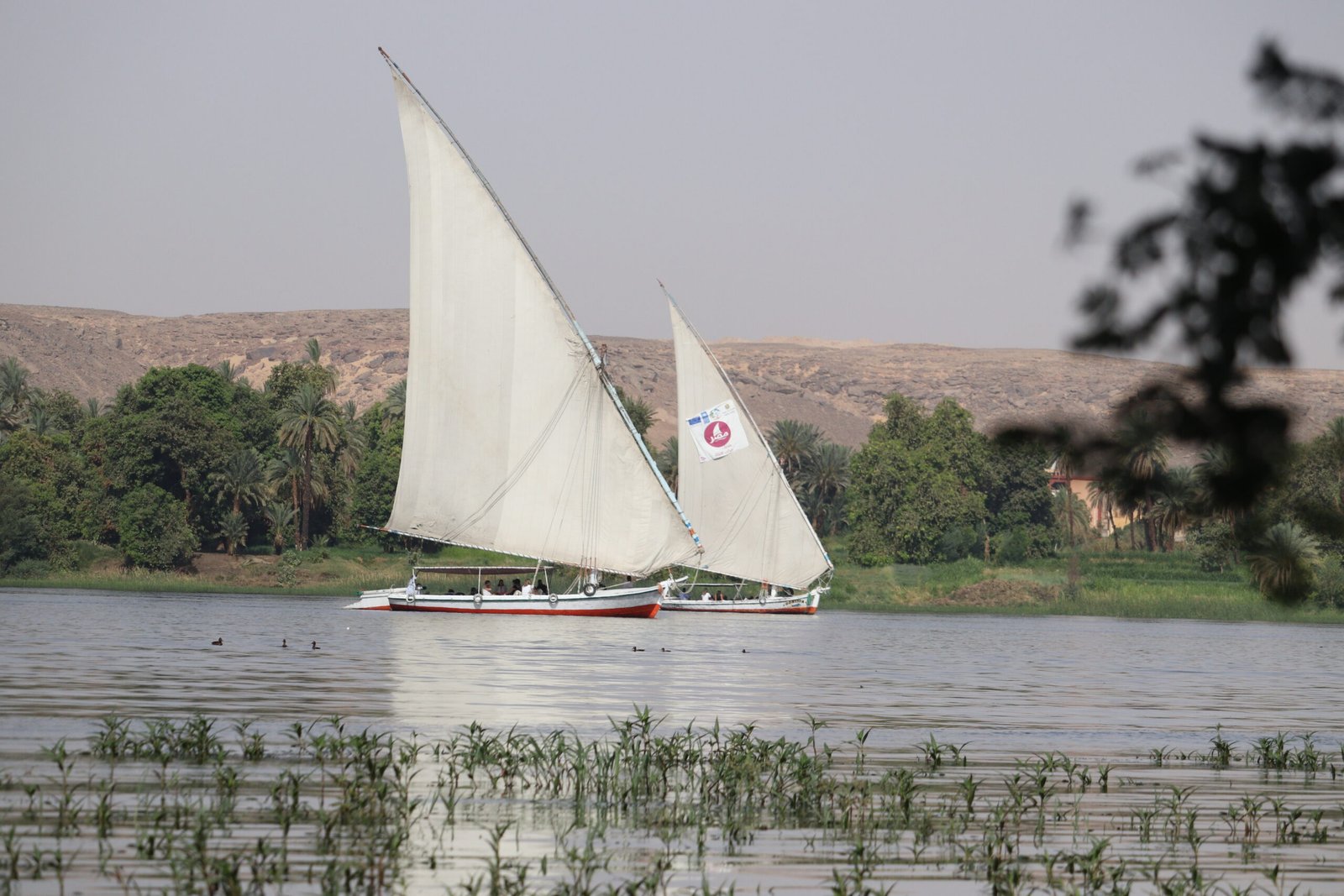
This is where Egyptian birding is at its most rewarding and most accessible. The Nile here is dotted with rocky islands, reedbeds, and cultivated margins that hold an unusually rich mix of resident African species — Nile Valley Sunbird, African Swamphen, Senegal Thick-knee, Little Heron, and Pied Kingfisher are all reliable on a single morning boat trip. Aswan is also the natural base for reaching Lake Nasser and Abu Simbel further south. For a full breakdown of the city’s best sites and species, see our [complete guide to birdwatching in Aswan](#).
Lake Nasser
South of Aswan, Lake Nasser is where Egypt stops feeling entirely Palearctic and starts feeling genuinely African. This vast reservoir holds species found nowhere else in Egypt — Yellow-billed Stork, Village Weaver, African Skimmer, Reed Cormorant, and Kittlitz’s Plover among them. It’s a specialist destination, and one best explored by boat with a guide who knows the productive khors and shorelines. See our [Top 10 Bird Species to Spot on Lake Nasser](#) for a deeper look.
Abu Simbel
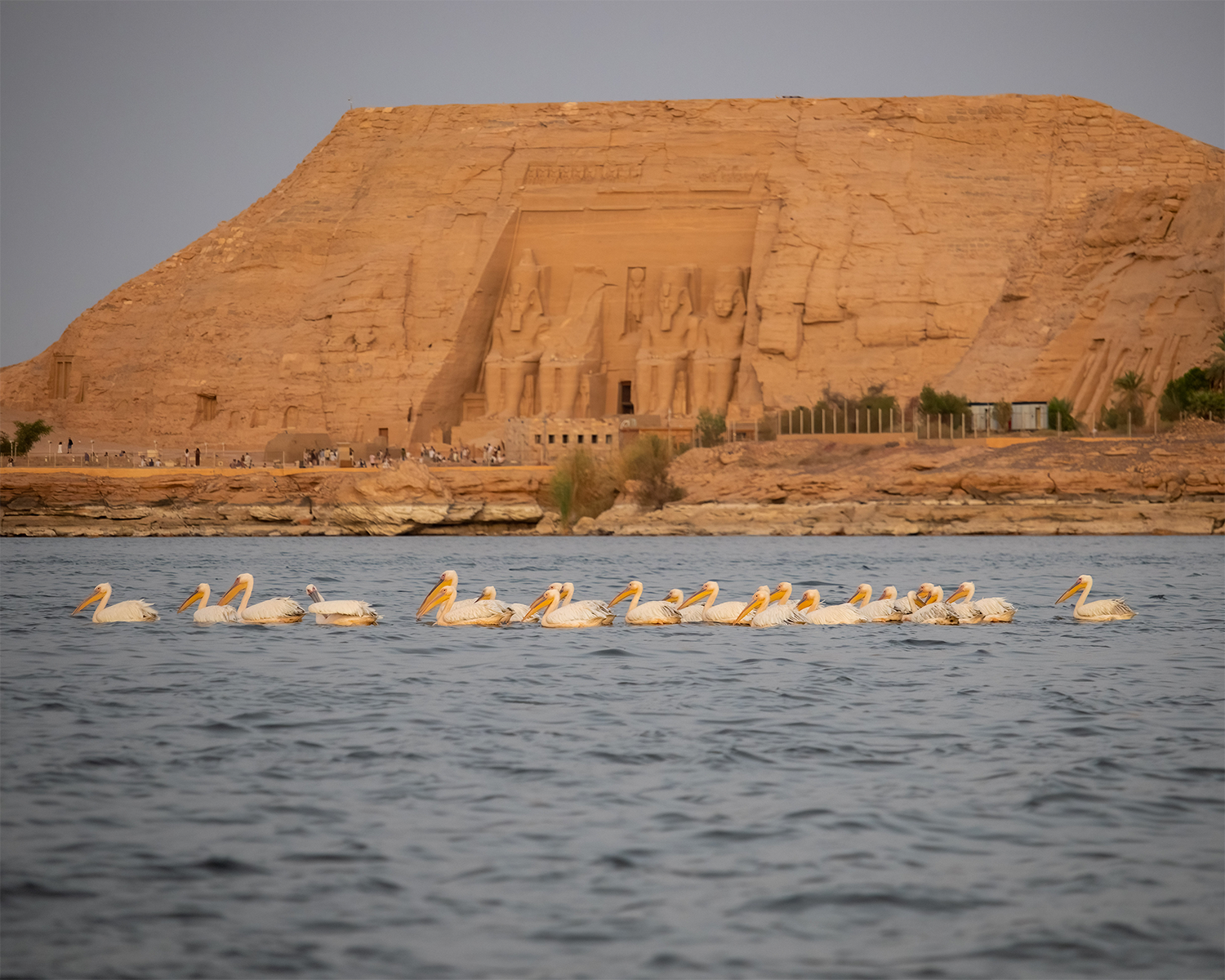
Most visitors come for the temples. Birders come for what’s on the water beside them. Abu Simbel sits at the southern end of Lake Nasser and offers arguably the best concentration of Afrotropical specialities anywhere in Egypt — African Pied Wagtail, Crimson-rumped Waxbill, Village Weaver, and Yellow-billed Stork are all realistic targets here, often combined easily with a temple visit in the same trip.
Cairo and the Nile Delta
Urban wetlands, fish farms, and agricultural land around Cairo hold a surprising range of species, including Greater Painted-snipe and African Swamphen. Further north, the Delta’s wetlands are genuinely internationally important for wintering waterbirds, drawing large numbers of ducks, waders, and herons between November and March.
Red Sea Coast
A completely different birding environment — mangroves, offshore islands, and coastal scrub. This region is best known for seabirds and coastal specialities: Sooty Falcon breeding on offshore islands, and gull and tern colonies on the Red Sea’s outlying archipelagos, alongside desert species like Lappet-faced Vulture further inland.
Mediterranean Coast
The northern coast and the Gulf of Suez form part of one of the world’s great raptor migration corridors. In spring and especially autumn, huge numbers of storks, raptors, and soaring birds funnel along this route, making it one of the best places in the country to watch large-scale visible migration.
When Is the Best Time for Birdwatching in Egypt?
Season: September–November (Autumn migration)
What to expect: raptors and storks moving south along the Mediterranean coast and Gulf of Suez
Season: December–February (Wintering waterbirds) concentrate in the Delta and along the Nile; comfortable temperatures for birding everywhere.
Season: March–April (Spring migration)
through the Nile Valley; excellent all-round birding conditions.
Season: May–August (Resident Breeders)
What to expect: Local birds, and african species at their most active around Lake Nasser and Abu Simbel, with several species breeding.
There isn’t really a bad time to bird in Egypt — the target species and the best region simply shift with the season.
Egypt Birdwatching FAQ
Is Egypt good for birdwatching?
Yes — genuinely so. Egypt combines Palearctic migration, wintering wetland birds, and a growing list of Afrotropical specialities found nowhere else in the region, particularly around Aswan and Lake Nasser.
What birds can you see in Egypt?
Around 480 species have been recorded in Egypt, ranging from familiar European migrants to African specialities like Yellow-billed Stork and Village Weaver found only in the far south.
Where is the best place to go birdwatching in Egypt?
Aswan and Lake Nasser offer the richest combination of accessibility and species diversity, particularly for visitors interested in Africa’s northernmost bird populations.
When is the best time to birdwatch in Egypt?
Spring and autumn migration periods (March–April and September–November) offer the greatest overall diversity, while summer (May–August) is best specifically for Afrotropical species around Lake Nasser.
Can you go birdwatching in Aswan?
Yes — Aswan is one of Egypt’s premier birding destinations, with guided Nile boat trips offering reliable access to dozens of resident and migrant species in a single outing.
Can I combine birdwatching with an Egypt sightseeing trip?
Easily. Aswan and Abu Simbel in particular allow birding and major archaeological sites — Philae Temple, Abu Simbel’s temples — to be combined comfortably within the same days.
Do I need binoculars for birdwatching in Egypt?
Yes, a good pair of 10×42 binoculars is strongly recommended for identifying birds at a distance, particularly on open water at Lake Nasser.
How many bird species can I expect to see on an Egypt birding trip?
A focused one- to two-week trip covering the Nile Valley, Aswan, and Lake Nasser can realistically produce 150–200 species.
Is Lake Nasser good for birdwatching?
Very much so — it’s the single best location in Egypt for Afrotropical species, including several found nowhere else in the country.
How many days do I need for birdwatching in Egypt?
A minimum of 5–7 days allows a good combination of Nile Valley, Aswan, and Lake Nasser birding; 10–14 days allows a genuinely comprehensive trip covering additional regions like the Red Sea coast or Sinai.
Interested?
Ready to see many of these birds in person? Our guided birdwatching trips around Aswan and Lake Nasser are designed to put you in front of exactly the species covered in this guide!