
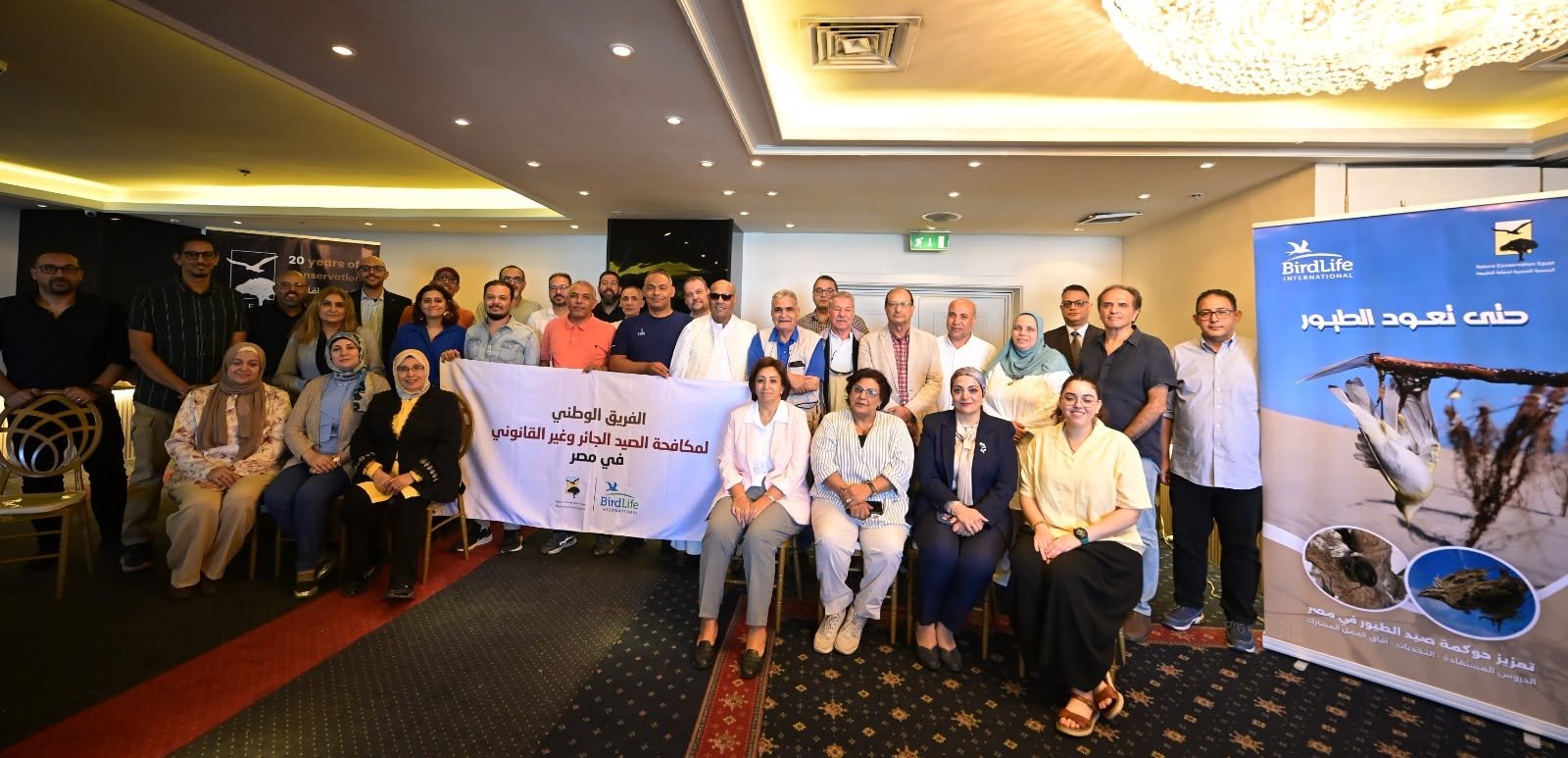
On 17 September 2026 in Alexandria, a significant step was taken toward strengthening bird conservation in Egypt with the launch of the National Task Force to Combat Illegal and Unsustainable Bird Hunting.
I was honored to participate as a founding member, representing birdwatching tourism and sustainable economic alternatives through Aswan Birdwatching. For me, this was more than a meeting. It was an opportunity to bring an important message to the national conservation discussion: If we want people to stop making money from dead birds, we must create realistic opportunities to make a living from living birds.
A New Chapter for Bird Conservation in Egypt
Egypt occupies a crucial position along the world’s major bird migration routes. Millions of migratory birds pass through the country every year, making Egypt exceptionally important for bird conservation. At the same time, illegal and unsustainable hunting remains a serious challenge that requires coordinated action.
The new Task Force brings together stakeholders from different sectors, including conservation, science, legislation, awareness and economic alternatives and ecotourism, with a national roadmap extending to 2030. This last element is particularly important.
Birdwatching as a sustainable alternative
As a birding guide in Aswan, I see every day how living birds can create economic value.
A bird that is hunted provides a benefit only once.
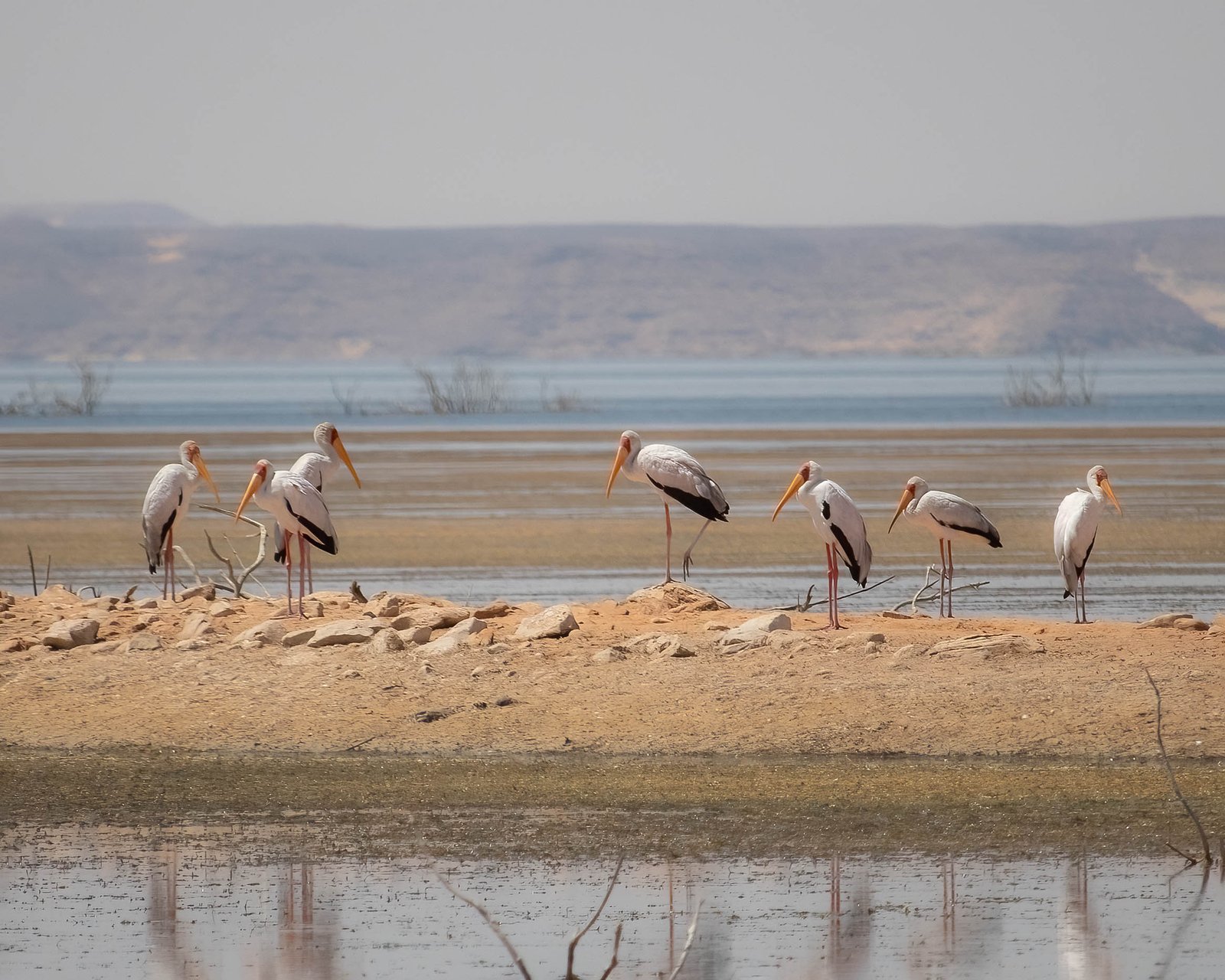
A bird that remains alive can attract birdwatchers and photographers year after year, supporting guides, boat operators, accommodation providers, restaurants and other local businesses.
This is why birdwatching tourism should be considered part of the conservation solution.
In Aswan, the Nile, its islands, wetlands and surrounding landscapes already provide excellent opportunities for birdwatching. Developing this sector responsibly can create livelihoods while giving local communities a direct economic reason to protect birds and their habitats.
But ecotourism cannot simply be a slogan. It requires professional training, local participation, responsible tourism practices, investment and genuine access to economic opportunities.
Conservation must include communities
The challenge of illegal hunting cannot be solved through enforcement alone.
We also need to understand the social and economic factors behind hunting and work with local communities to develop realistic alternatives.
That is why the Task Force’s approach—bringing together legislation, scientific research, awareness, enforcement and economic alternatives—is so important.
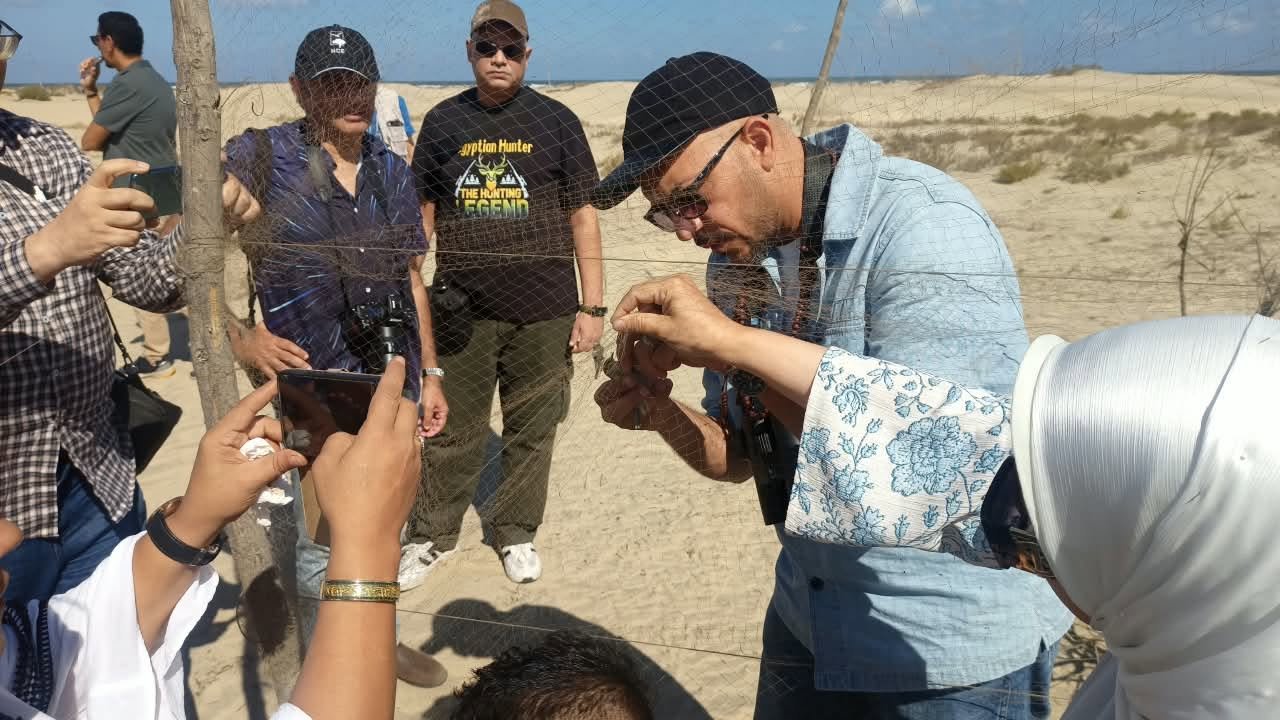
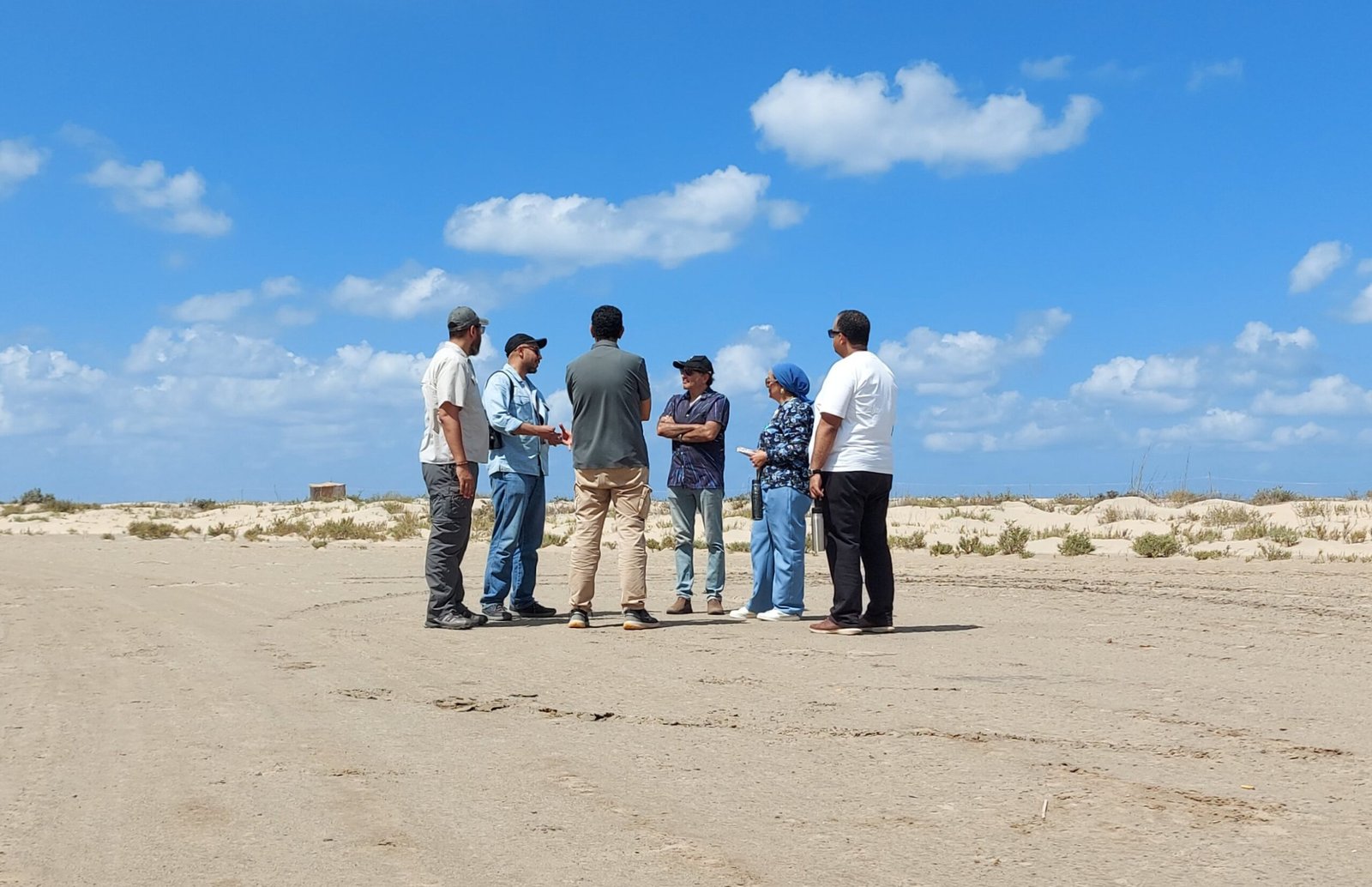
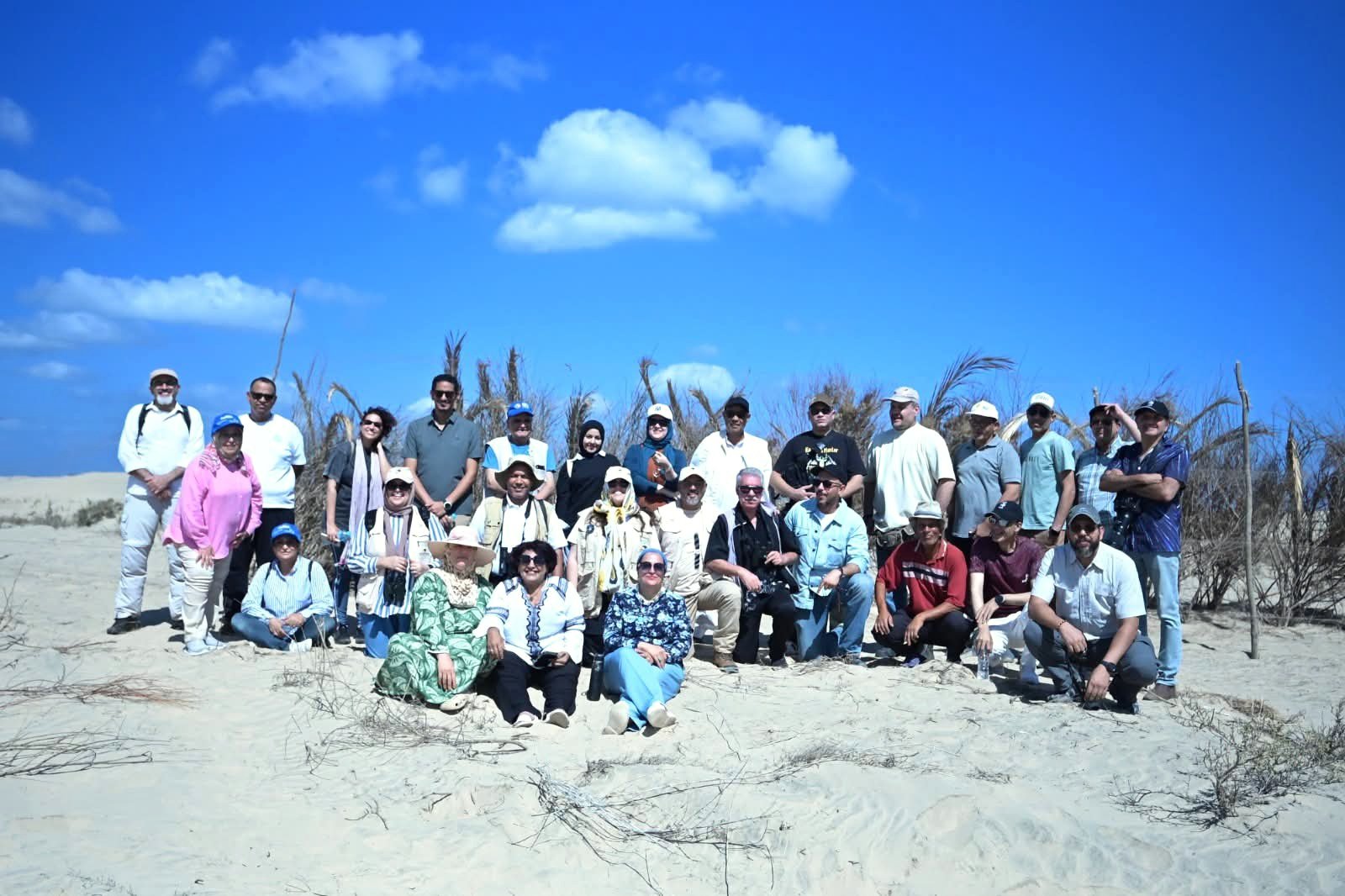
The field visit to the Burullus area following the founding meeting provided an opportunity for participants to see the situation on the ground, engage with local communities and better understand the realities surrounding bird hunting.
Real conservation begins with understanding these realities.
An ambitious roadmap
The establishment of the National Task Force represents an important opportunity to bring different perspectives together around one shared objective: protecting Egypt’s birds and the habitats they depend on.
For Aswan Birdwatching, being part of this initiative comes with a responsibility.
We want to demonstrate that birds can be more valuable alive than dead—not only ecologically, but economically.
Egypt has the geography, biodiversity and tourism infrastructure to become a leading destination for responsible birdwatching in the region.
The roadmap to 2030 will bring challenges, but it also brings an opportunity to rethink our relationship with wild birds.
From hunting to watching.
From short-term exploitation to sustainable livelihoods.
From seeing birds as targets to seeing them as an economic and natural treasure worth protecting.
Aswan Birdwatching is proud to be part of this journey.
Because we don’t just want people to see Egypt’s birds.
We want to make sure there will always be birds here to see.
Why This Matters for Every Birder Visiting Egypt
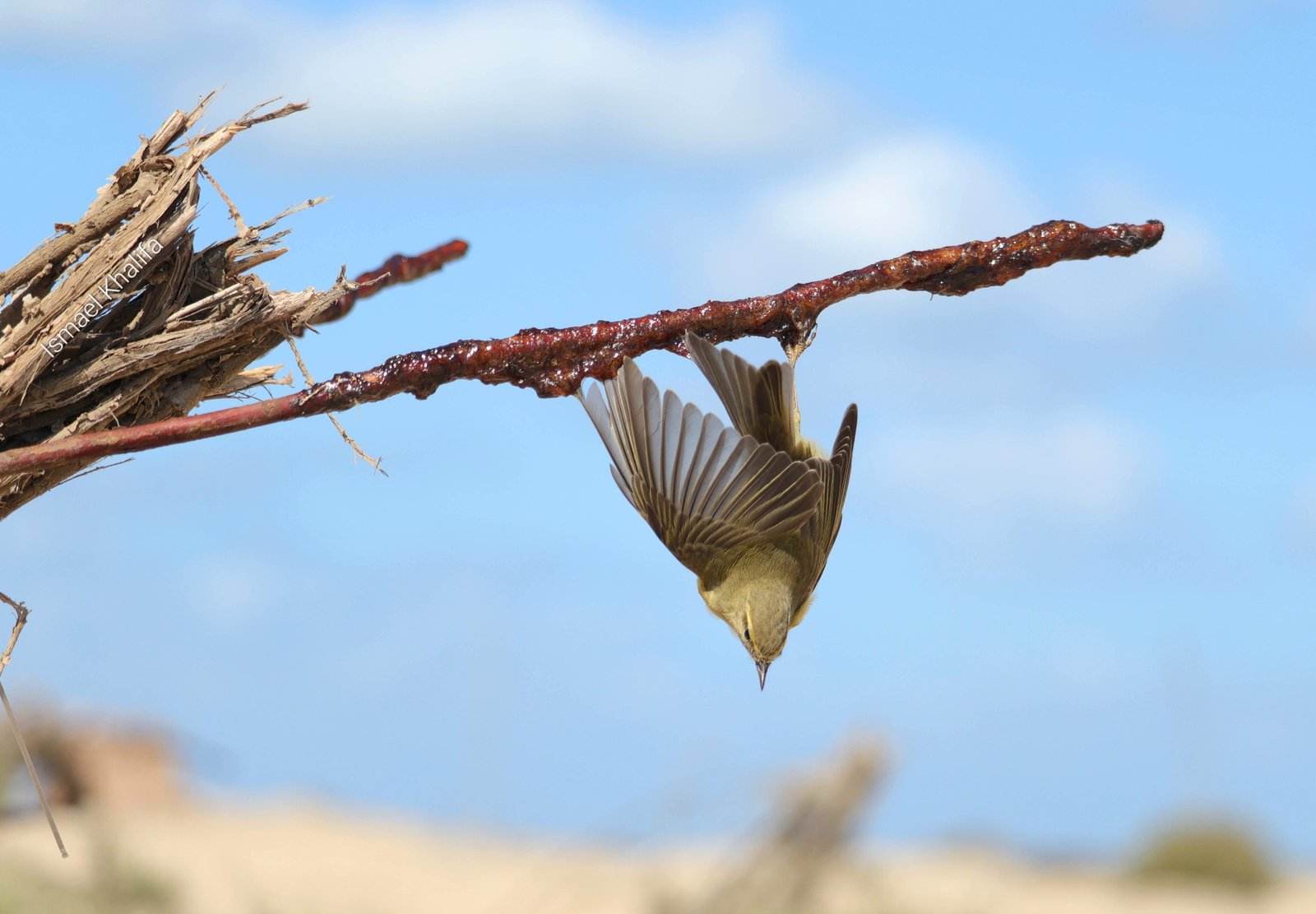
If you’ve ever booked a birdwatching trip anywhere in the world, you already understand something intuitively: healthy bird populations and tourism go hand in hand. Every Senegal Thick-knee calling at dusk on the Nile, every Yellow-billed Stork wading through Lake Nasser’s shallows, every flash of color from a Nile Valley Sunbird — these moments are only possible because the birds are still here, still safe, still thriving.
The threats are real. Egypt sits on one of the world’s great migratory flyways, and unsustainable, illegal hunting puts enormous pressure on species that are simply passing through on ancient journeys between continents. A coordinated national response — one that combines legislation, science, community partnership, and economic alternatives like ecotourism — is exactly what this moment calls for.
Our Commitment, Rooted in Aswan
This launch reinforced something we already believed deeply: bird conservation is a shared responsibility. It starts with understanding the reality on the ground, it’s guided by science, and it only works with meaningful engagement from local communities — not top-down mandates imposed from a distance.
That’s the spirit we try to bring to every trip we guide along the Nile. Every guest who joins us isn’t just spotting birds — they’re participating in a model that proves conservation and community prosperity can move forward together.
We’re honored to stand alongside Nature Conservation Egypt and this new National Task Force as Egypt writes the next chapter in protecting its extraordinary birdlife. The Roadmap to 2030 is ambitious, and rightly so — Egypt’s birds deserve nothing less.
Want to experience the birdlife this Task Force is working to protect? Join Aswan Birdwatching for a guided trip along the Nile and see firsthand why Egypt’s birds are worth every effort to conserve.